
Last updated September 10, 2026
Level 1 sweep and inspection to the NFPA 211 annual standard - flue, crown, cap, and flashing checked and photographed
Chimney sweep logs do not sweep chimneys. They loosen some creosote - which then falls where a brush and vacuum still have to collect it.
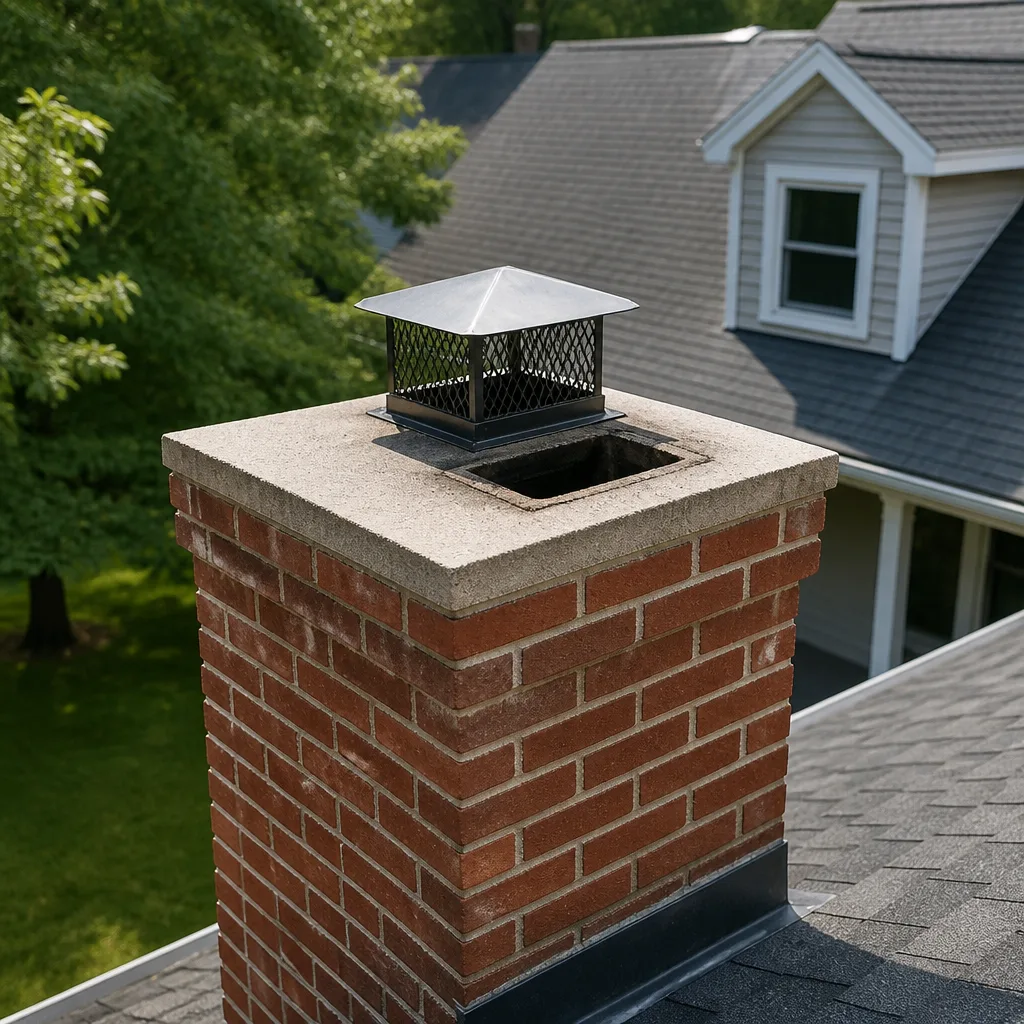
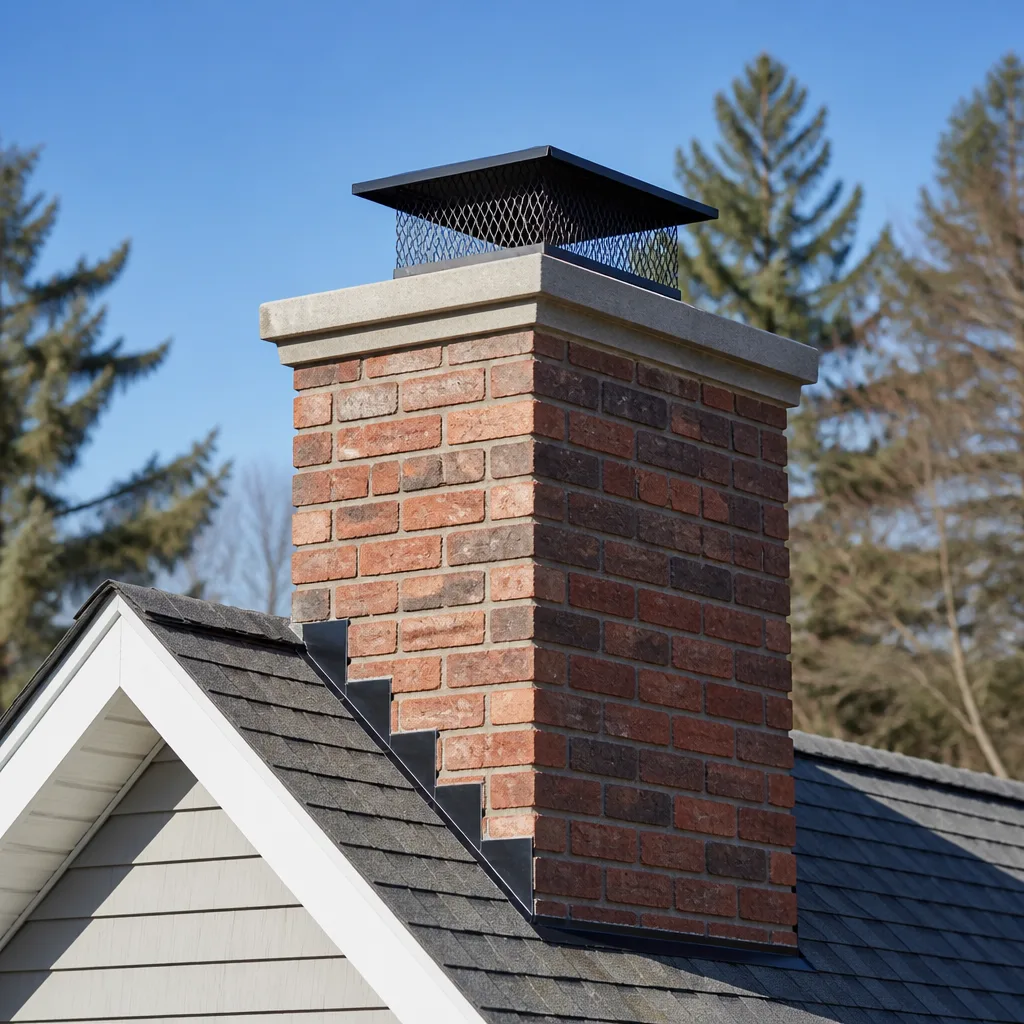
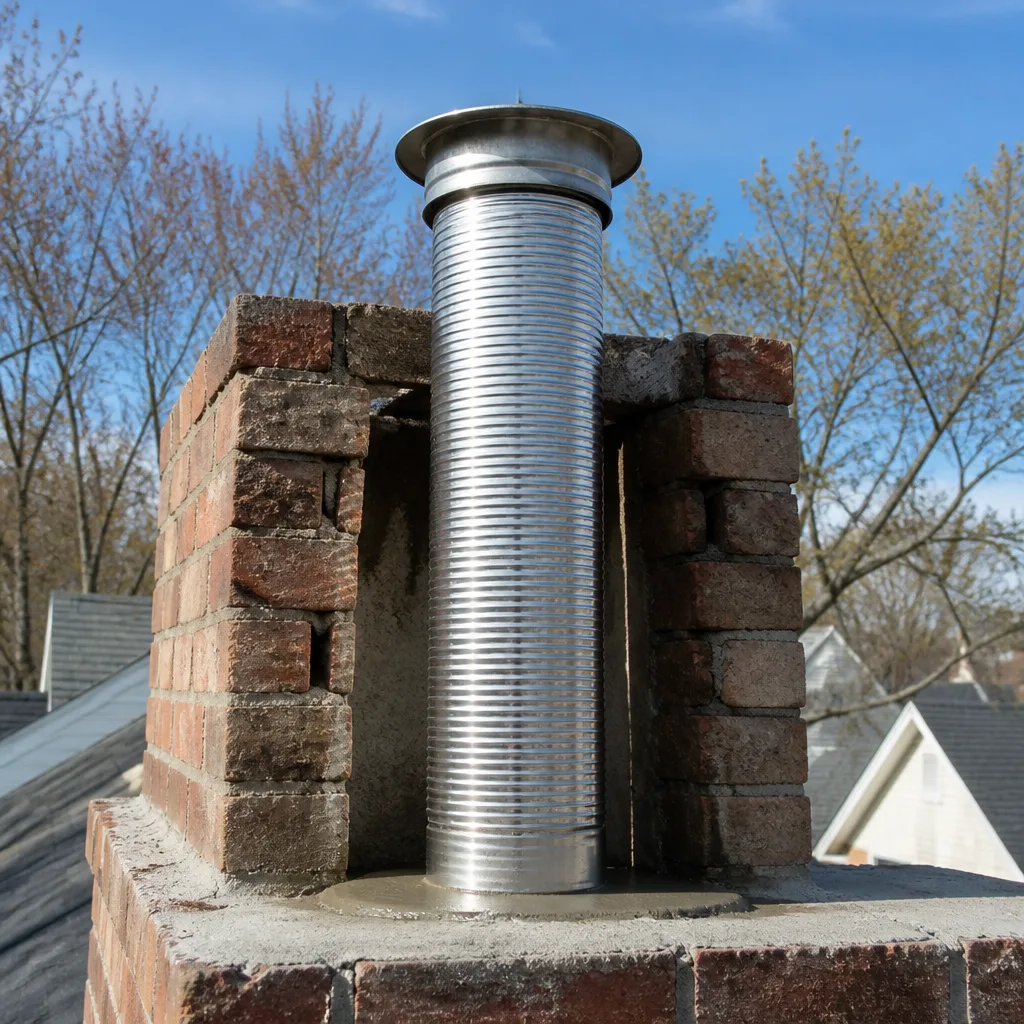
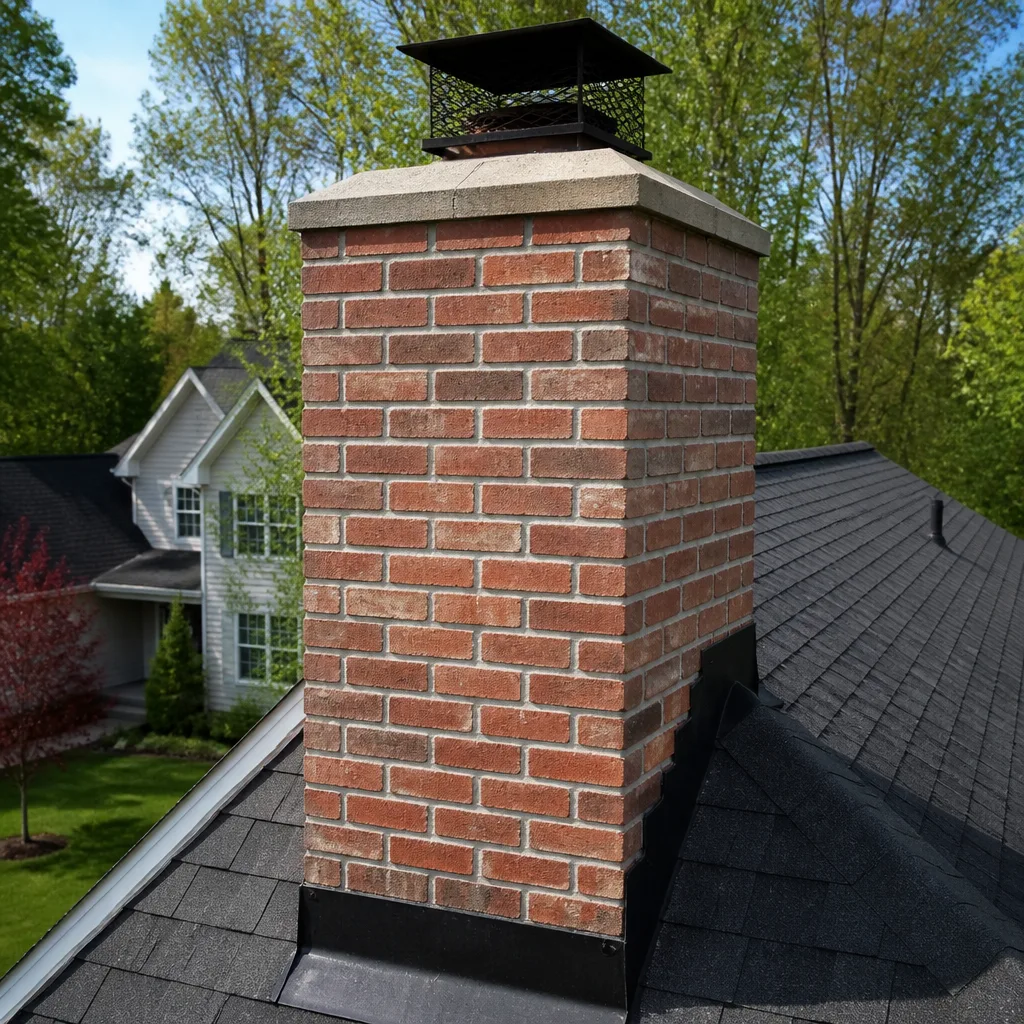
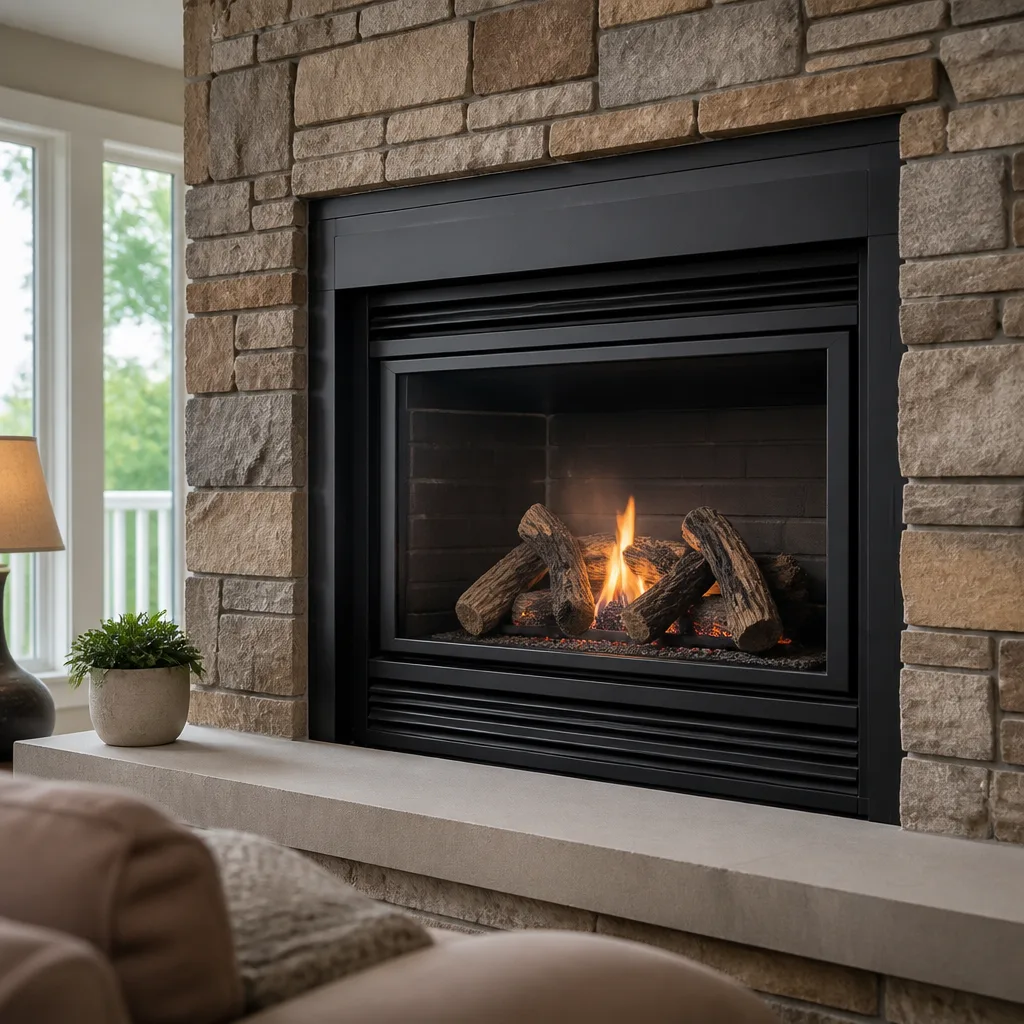
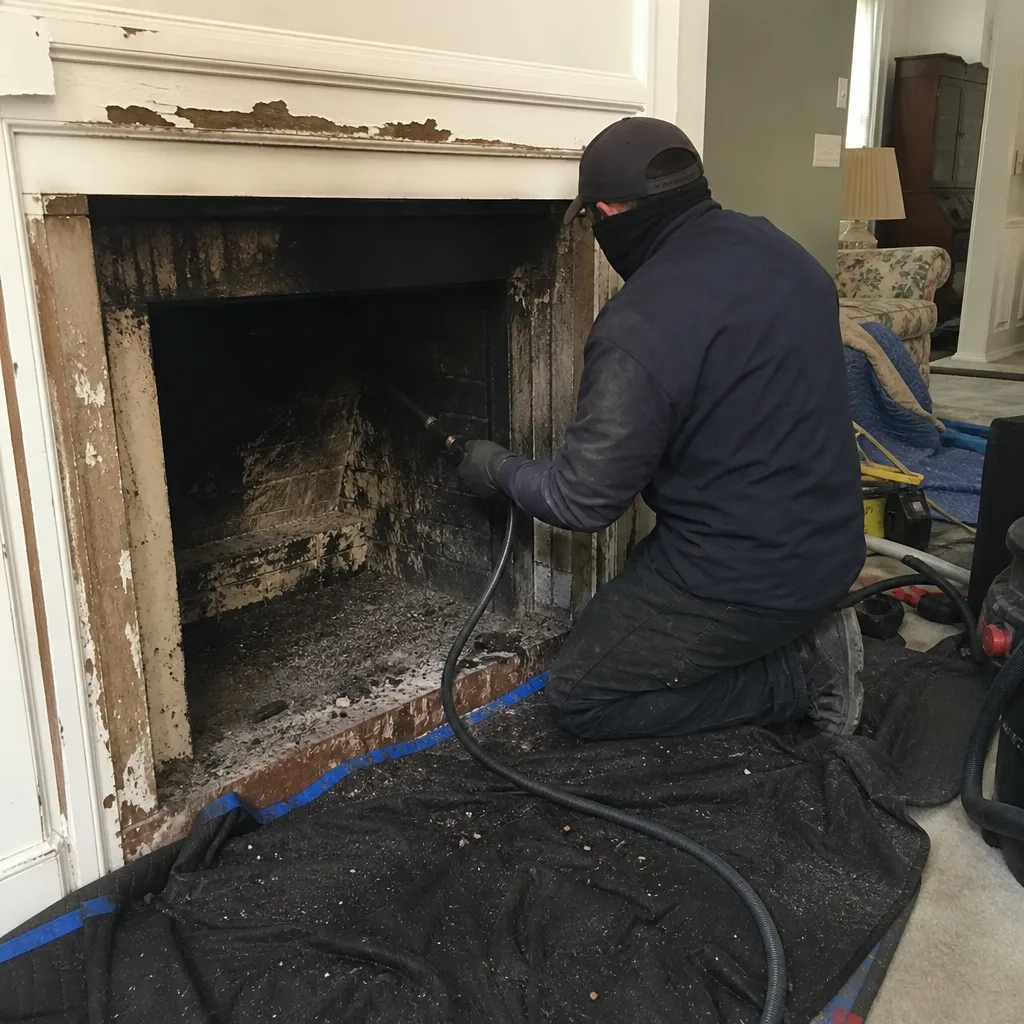 Before
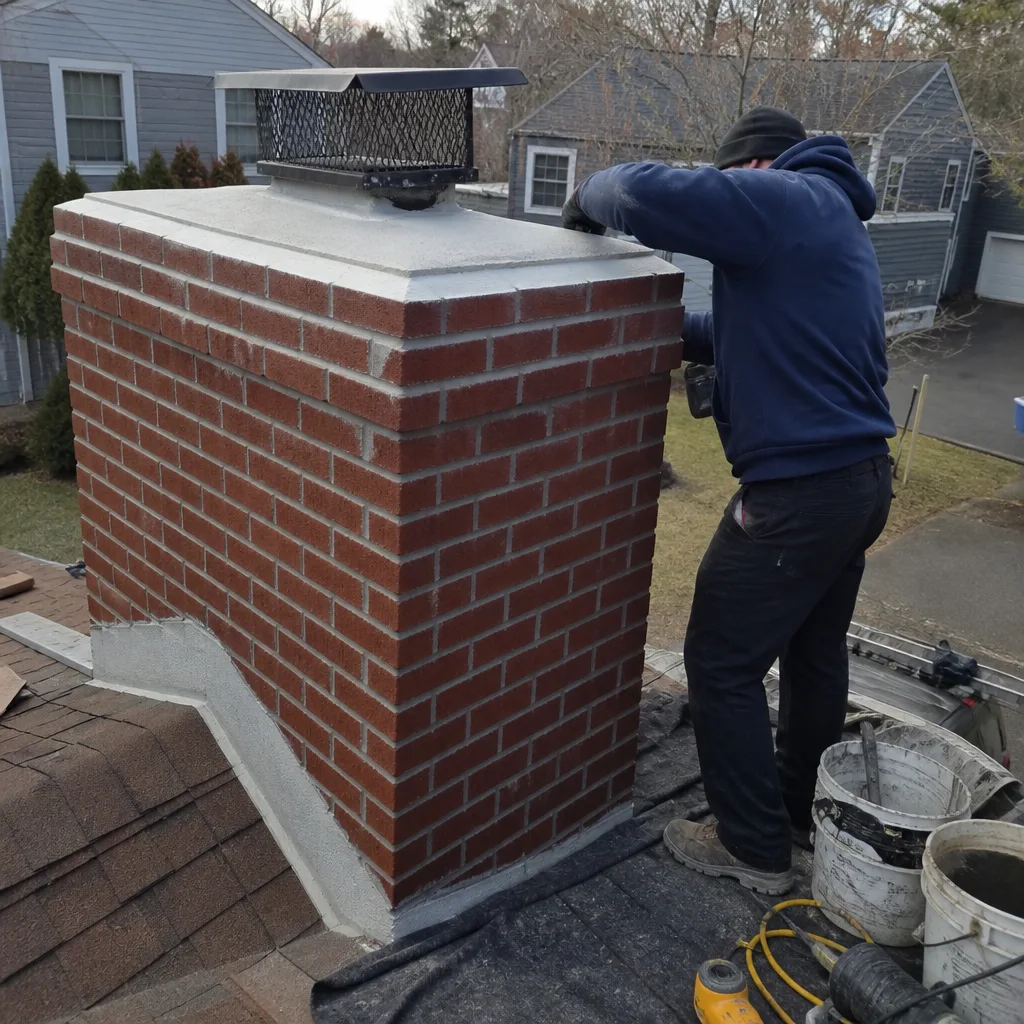 After
After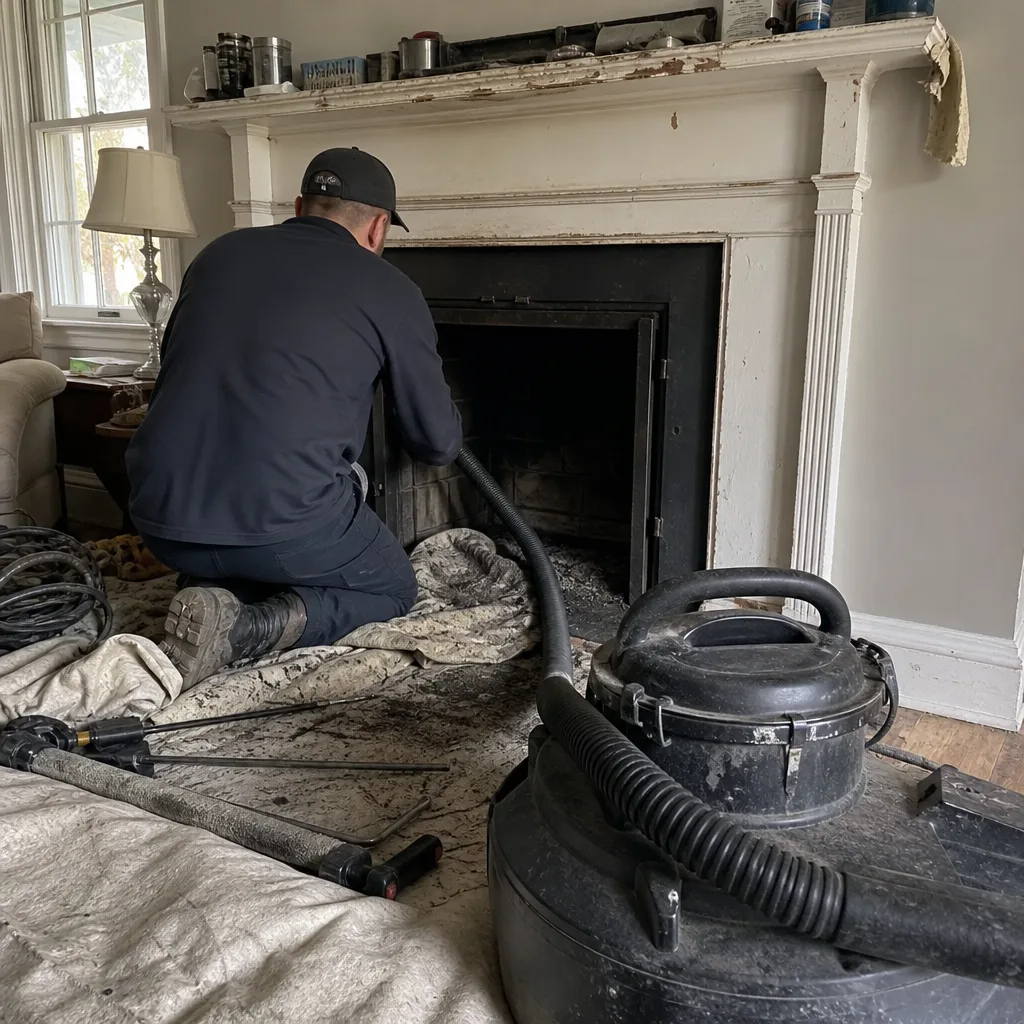 Before
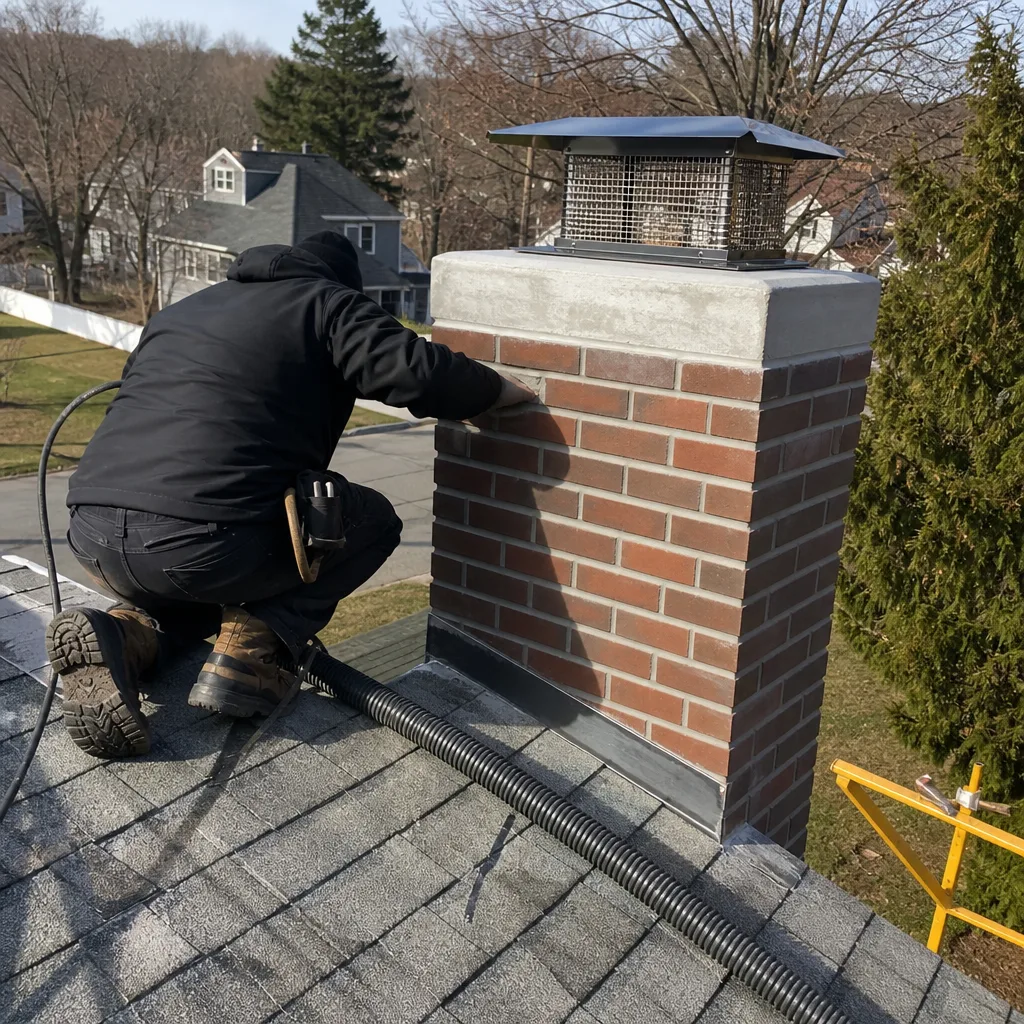 After
After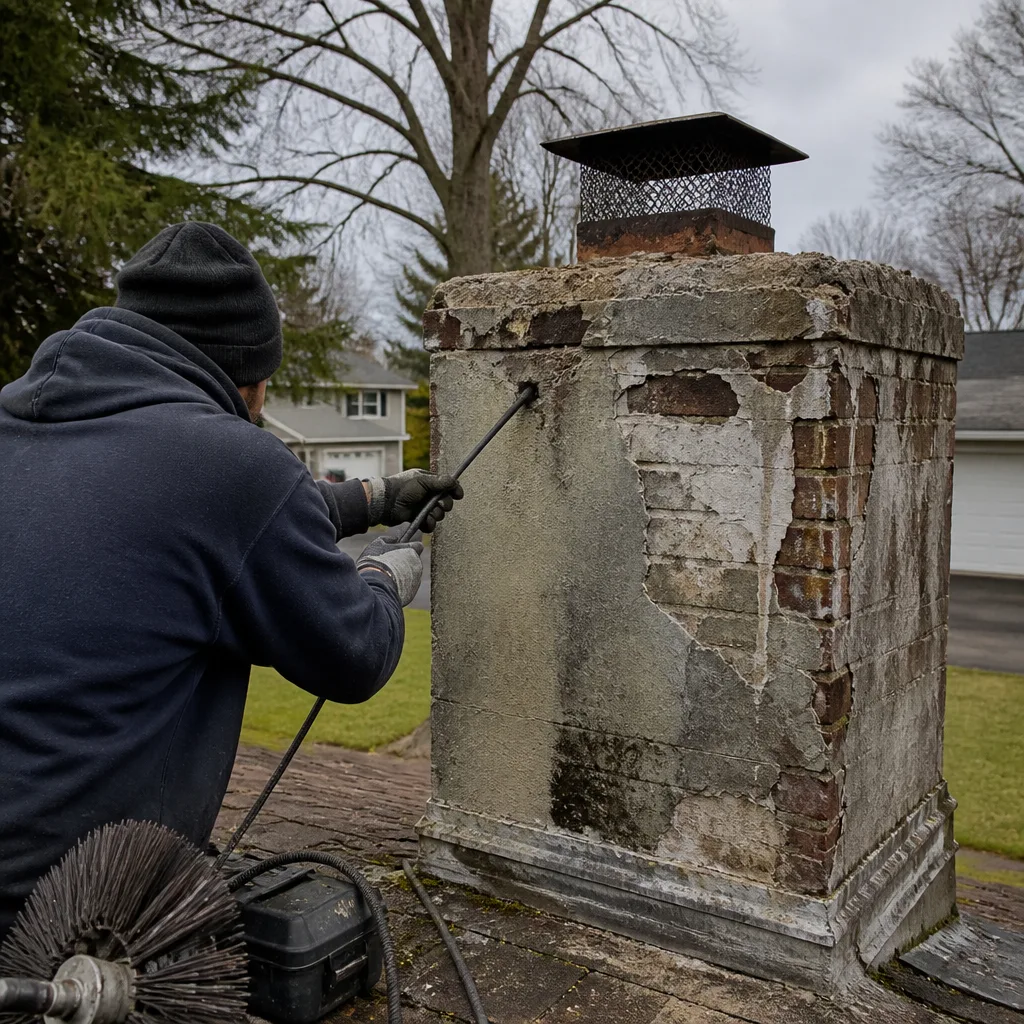 Before
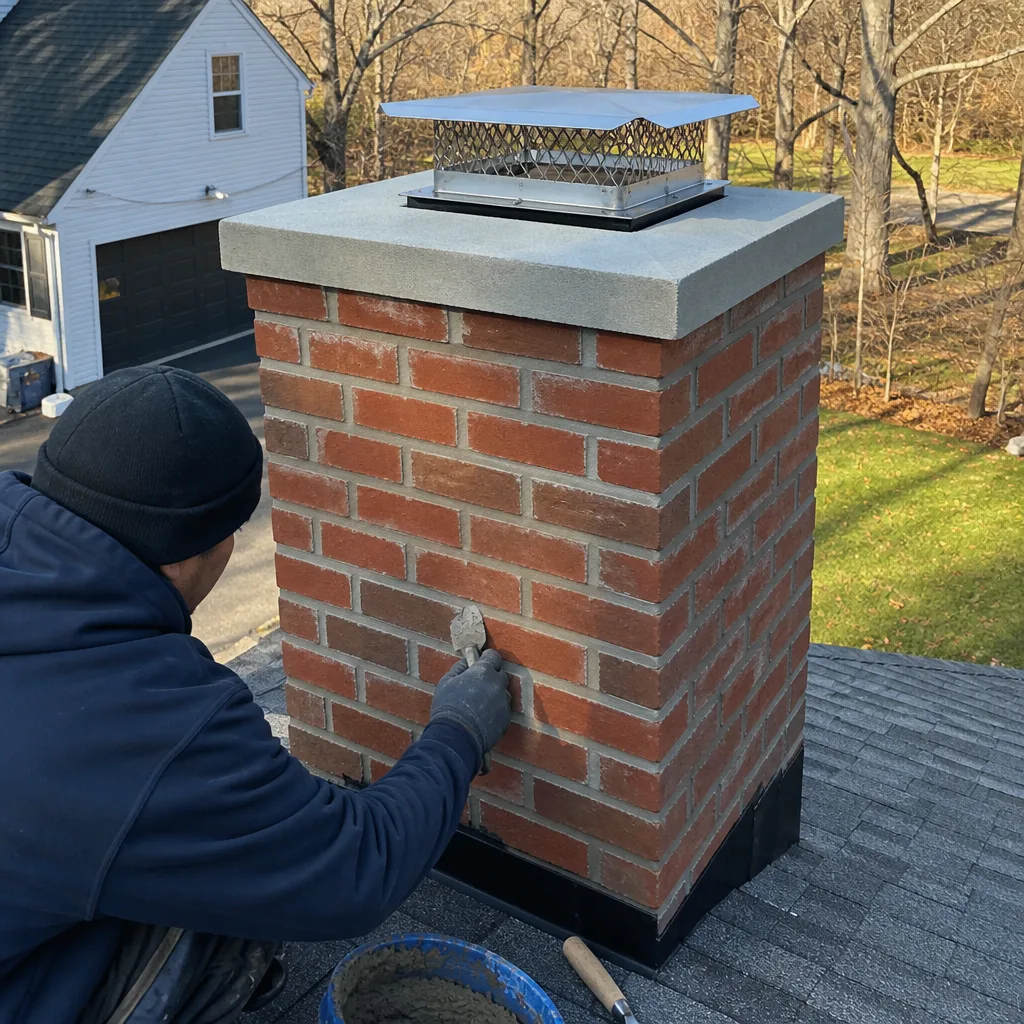 After
AfterThe Complete Guide to Chimney Cleaning in Fairfield
The CSIA estimates that 25% of all home heating fires involve chimneys. Here’s what troubles us: many of those homes had been “cleaned” recently. The fire started anyway because the sweep ran a brush through the flue, collected a fee, and missed the cracked liner or missing mortar joint that actually mattered. In Fairfield, where salt air off Long Island Sound meets hard freeze-thaw winters, chimneys deteriorate faster than the generic advice online suggests. This guide explains what a proper chimney cleaning actually includes, why Fairfield’s housing stock and weather change the inspection, and how to tell whether you’re getting a real evaluation or a quick brush-through.
Quick Answer
Chimney cleaning in Fairfield typically costs $200-$350 for a standard sweep with Level-1 inspection, and $300-$500 when a Level-2 camera inspection is needed for real estate transactions or suspected damage. A proper cleaning removes combustible creosote buildup and includes a documented inspection of the flue liner, crown, and structural joints - not just a pass with a brush. Most Fairfield homes with active fireplaces or wood stoves need this service annually, while gas and oil flues require less frequent but equally specific attention.
Table of Contents
- What Chimney Cleaning Actually Includes
- Why Fairfield Chimneys Deteriorate Faster Than Inland Connecticut
- Wood, Gas, and Oil: Different Flues, Different Cleaning Protocols
- The Documented Inspection vs. the Brush-Through
- Three Failure Points in Fairfield’s Colonials and Capes
- What Photos From Inside Your Flue Should Show
- Cost and Pricing in Fairfield
- How Often Fairfield Homeowners Should Schedule
What Chimney Cleaning Actually Includes
A proper chimney cleaning is two distinct operations: the mechanical removal of combustible deposits, and the visual or camera-aided inspection of every component that keeps fire and gases contained. Either half without the other is incomplete.
The mechanical work involves running the correct brush size and type through the full length of the flue, from firebox or appliance connection to the top of the chimney. We use polypropylene brushes for standard maintenance, and wire brushes for glazed creosote that has hardened through repeated heating. The firebox, smoke shelf, and damper assembly are hand-cleaned. A vacuum with HEPA filtration captures airborne particulate. The work area is protected with drop cloths. When we finish, the soot is in our vacuum, not your living room.
The inspection half is where most Fairfield homeowners are shortchanged. A Level-1 inspection, standard with every cleaning, examines readily accessible portions of the chimney exterior, interior, and connecting appliance. The technician checks for:
- Cracks, gaps, or deterioration in the flue liner
- Obstructions from animal nests, debris, or collapsed masonry
- Proper clearances to combustible framing
- Condition of the chimney crown, cap, and flashing
- Damper operation and smoke chamber integrity
A Level-2 inspection adds a camera scan of the flue interior. In Fairfield, we recommend this for every real estate transaction, after any chimney fire or lightning strike, and when the homeowner reports a new odor or draft problem. The camera reveals what no flashlight can: hairline cracks in terracotta flue tiles, mortar erosion between joints, and the early stages of spalling that precede structural failure.
At Hearthstone Chimney Co., every cleaning includes the Level-1 inspection as standard. We do not offer “sweep only” appointments. The reason is simple: we’ve been serving Fairfield and surrounding towns since 1984, and we’ve seen too many homeowners pay for a brush-through that left a dangerous condition unreported.
Why Fairfield Chimneys Deteriorate Faster Than Inland Connecticut
Fairfield’s location on Long Island Sound creates a specific set of stresses that chimney owners in Danbury or Torrington do not face. The combination of salt-laden air, coastal humidity, and aggressive freeze-thaw cycling produces deterioration patterns we recognize immediately.
Salt air accelerates corrosion of metal components. Stainless steel chimney caps, chase covers, and even some liner alloys show pitting and premature failure here that inland chimneys avoid. We’ve replaced caps in the Southport and Greenfield Hill areas that were rated for 20 years but failed in 8. The salt does not need to be visible as ocean spray; it travels on humid air and condenses on cooler metal surfaces, starting electrochemical corrosion that expands once temperature cycling begins.
Freeze-thaw damage is the larger structural threat. Fairfield averages 20-30 freeze-thaw cycles per winter where temperatures cross 32°F within a 24-hour period. Water enters hairline cracks in mortar or crown sealant during the warm afternoon, then expands by roughly 9% when it freezes overnight. Each cycle widens the crack. After enough cycles, the mortar joint fails completely or the crown spalls. In neighborhoods like Stratfield and Tunxis Hill, where many homes date to the 1950s-1970s and original crowns were poured with inadequate reinforcement, we see this pattern constantly.
The humidity factor is less dramatic but equally important. Coastal Connecticut maintains higher average relative humidity than inland areas. Masonry that never fully dries between wetting events cannot develop the compressive strength that proper curing requires. Old mortar in Fairfield chimneys is often softer and more porous than the same vintage material in Hartford County, simply because it never dried out completely during construction or in the decades since.
For homeowners, this means inspection intervals should err toward shorter rather than longer. The CSIA’s general “annual inspection” guidance assumes average conditions. Fairfield’s conditions are not average. We tell our Fairfield customers: if you’re burning wood regularly, annual sweeping is the minimum. If you’re relying on original masonry from before 1980, consider a Level-2 camera inspection every two to three years even if everything seems fine.
Wood, Gas, and Oil: Different Flues, Different Cleaning Protocols
Not all chimney cleaning is the same because not all combustion is the same. The fuel you burn determines what deposits form, where they accumulate, and what risks they create. A technician who treats every flue identically is not paying attention.
Wood-Burning Fireplaces and Stoves
Wood combustion produces creosote, a tar-like condensation of unburned hydrocarbons. Creosote forms in three stages:
- Stage 1 (Sooty): Flaky, black, easily brushed away. Indicates dry wood and adequate combustion air.
- Stage 2 (Granular): Crunchy, porous chips. Requires more aggressive brushing. Signals marginal wood moisture or restricted air.
- Stage 3 (Glazed): Shiny, hardened, lacquer-like. Requires rotary cleaning with chains or specialized heads. Indicates chronic burning of wet wood, smoldering fires, or severely restricted draft. Stage 3 creosote is the fuel of chimney fires; it ignites at approximately 451°F and burns at temperatures exceeding 2,000°F.
In Fairfield, we see Stage 3 buildup most often in homes where homeowners switched to “seasoned” wood purchased late in the season - wood that was cut perhaps six months prior, not the 12-18 months true seasoning requires. The Sound’s humidity keeps purchased wood wetter than advertised. We also see it in homes with exterior chimneys on north-facing walls, where cold exterior temperatures cool the flue gases prematurely and accelerate condensation.
Gas Inserts and Fireplaces
Gas burns cleaner than wood and produces no creosote. This does not mean gas flues need no attention. The primary concerns are:
- Condensation damage from water vapor in exhaust gases, particularly in oversized flues where gases cool before exiting
- Debris obstruction from deteriorated chase covers or missing caps
- Corrosion of metal components from acidic condensation
- Improper venting of carbon monoxide, which is odorless and lethal
Gas flue cleaning focuses on inspection and verification of proper draft, not soot removal. The technician checks that the liner is correctly sized for the BTU output of the appliance, that the termination cap is present and unobstructed, and that no negative pressure conditions in the home are causing backdraft. In Fairfield’s tighter, renovated homes - particularly the expanded Capes in the Stratfield area - we frequently find kitchen exhaust fans and bathroom vents creating pressure differentials that interfere with gas fireplace venting.
Oil Furnace Flues
Oil combustion produces sulfur dioxide, which combines with moisture to form sulfuric acid. The result is acidic condensation that attacks terracotta flue tiles, mortar joints, and metal liners. Oil flues require:
- Annual inspection for liner deterioration, particularly at the base where condensation pools
- Cleaning of soot deposits that restrict draft and accelerate corrosion
- Verification that the appliance is operating with proper excess air; incomplete combustion produces more soot and more acid
In Fairfield’s older neighborhoods - the original Colonials along Old Post Road, the 1920s homes in Southport - we still find oil heat with original terracotta flues. These are often oversized for modern, efficient oil burners, which makes the condensation problem worse. A properly sized stainless steel liner, typically from DuraFlex or Olympia Chimney, is the correct long-term solution. We document the condition with camera inspection and provide the photos and plain-English verdict so the homeowner understands why the investment is necessary.
The Documented Inspection vs. the Brush-Through
There are two kinds of chimney service appointments in Fairfield. One leaves you with a receipt and a verbal “looks good.” The other leaves you with photographs, a written condition report, and a clear statement of what was found, what was done, and what should be monitored or repaired.
The brush-through is faster and cheaper. A technician arrives, runs a brush up the flue, maybe shines a flashlight around, collects payment, and leaves. The homeowner has no documentation of what the flue actually looked like. If a crack was missed and a fire starts three months later, there is no record. If a repair was recommended verbally and the homeowner declines, there is no paper trail. This model serves the sweep’s schedule, not the homeowner’s protection.
The documented inspection takes longer and costs more upfront. It includes:
- Pre-service photography of the firebox, damper, and accessible flue base
- Mechanical cleaning with brushes matched to the flue diameter and deposit type
- Camera scan of the full flue length (Level-2) or thorough visual examination (Level-1)
- Post-service photography showing cleaned surfaces and any conditions requiring attention
- Written report with plain-English descriptions, not technical jargon or alarmist language
- Verbal walkthrough with the homeowner present, questions answered, next steps explained
At Hearthstone Chimney Co., we do not perform brush-throughs. Our Chimney Cleaning & Sweep in Fairfield includes documentation as standard because our 90-Day Done Right Promise - in writing, no arguing - requires us to know exactly what condition we encountered. Russell Haines established this protocol when he took ownership, and it has not changed. Photos you can see, a plain-English verdict. That is the standard.
The difference matters most when something goes wrong. A documented inspection from a CSIA-certified sweep provides evidence for insurance claims, supports real estate disclosures, and protects both parties if a dispute arises. A verbal “looks good” protects no one.
Three Failure Points in Fairfield’s Colonials and Capes
After 42 years of inspecting chimneys in Fairfield County, we’ve identified three structural failure points that appear repeatedly in Fairfield’s housing stock. These are not theoretical concerns. We find them weekly.
1. The Unlined or Partially Lined Flue
Many Fairfield homes built before 1940 were constructed with brick chimneys and no clay flue liner at all. The brick itself was the containment. Others were built with partial liners that do not extend the full height, or with multiple flues sharing a wall so thin that heat transfer to framing is inevitable. Building codes today require liners, but grandfathering means many chimneys operate illegally by modern standards and dangerously by any standard.
The risk is straightforward: creosote-impregnated brick, or gaps between brick and framing, can ignite. A proper stainless steel liner from DuraFlex or Olympia Chimney, correctly sized and insulated, contains combustion products and reduces clearance requirements to safe distances. We recommend liner installation when camera inspection reveals exposed brick, missing tile sections, or gaps visible from inside the flue.
2. The Deteriorated Crown
The crown is the concrete or mortar cap that seals the chimney top above the flue liners. Its job is to shed water away from the flue opening and protect the masonry below. In Fairfield, crowns fail prematurely for reasons we’ve discussed: salt air corrosion of reinforcing wire, freeze-thaw cycling, and original construction with mortar mix rather than proper concrete.
A failed crown allows water directly into the chimney structure. The first sign is often efflorescence - white mineral staining on the exterior brick. By then, internal damage is already advanced. We repair crowns with HeatShield crown sealant for minor cracking, or pour new reinforced crowns when the original has lost structural integrity. The key is catching it before water reaches the flue gases and accelerates liner corrosion.
3>3. The Compromised Smoke Chamber
The smoke chamber is the area above the damper and below the flue liner, where fireplace gases collect before entering the narrow flue. Building codes since the 1940s have required specific dimensions and smooth surfaces, but many Fairfield chimneys were built with corbeled (stepped) brick that creates turbulence and creosote accumulation.
More critically, the smoke chamber is where we find the most dangerous hidden defects: gaps between the firebrick and outer masonry, cracked parging (the smooth coating that should seal the surface), and in some cases, exposed framing members that were never properly firestopped. These conditions are invisible from the firebox and undetectable without a camera or mirror inspection from above. We’ve found smoke chamber defects in homes on Reef Road, in the Stratfield historic district, and in 1980s construction in Tunxis Hill - the age of the home is not the predictor; the quality of original construction is.
When we find smoke chamber defects, we explain exactly what we found, show the photos, and describe the repair options. HeatShield refractory resurfacing is appropriate for many cases. Reconstruction is required when structural integrity is lost. In either case, the homeowner receives our plain-English verdict and a written estimate with no pressure to decide immediately.
What Photos From Inside Your Flue Should Show
A camera inspection produces images that either justify confidence or justify concern. Every homeowner should know what to look for. These are the specific conditions we document and explain:
- Clean, continuous flue surface: For terracotta liners, intact tile with visible mortar joints. For metal liners, smooth stainless steel with no deformation, corrosion, or separation at joints.
- No visible gaps or daylight: Any opening that allows flue gases to escape the liner and contact masonry or framing is an immediate hazard. We mark these precisely in our reports.
- Uniform liner diameter: Bulges, constrictions, or offset joints indicate structural movement, improper installation, or damage from a previous chimney fire.
- Clear flue top and bottom: No obstructions, no nesting material, no accumulation of debris at the smoke shelf or flue base.
- Measurable creosote thickness: We note deposit thickness in 1/16-inch increments. Anything exceeding 1/8-inch requires cleaning; anything approaching 1/4-inch is a near-term fire hazard.
The photos should be clear, dated, and referenced to specific flue locations (distance from top, orientation). Vague images with no scale or location data are nearly useless. At Hearthstone Chimney Co., our reports include annotated photos with measurements and explanations written for homeowners, not for other chimney sweeps. If you cannot understand your inspection report without calling the company back, the company failed at communication.
We also provide “watch” recommendations: conditions that do not require immediate repair but should be monitored. A hairline crack in a terracotta tile, minor spalling at the flue top, early-stage crown crazing. These go in writing with recommended re-inspection intervals. No surprises, no hard sell. A square deal.
Cost and Pricing in Fairfield
Chimney cleaning costs in Fairfield reflect the specific service provided, the type of heating appliance, the accessibility of the chimney, and whether the appointment includes documentation or just a brush-through. The table below shows the ranges we observe in the local market, including our own upfront pricing.
| Service | Fairfield Price Range | What’s Included |
|---|---|---|
| Standard sweep with Level-1 inspection | $200 - $350 | Mechanical cleaning, visual inspection of accessible components, basic condition report |
| Level-2 camera inspection (add-on or standalone) | $300 - $500 | Full camera scan of flue interior, digital photos, written report with plain-English verdict |
| Wood stove insert cleaning | $250 - $400 | Removal of baffle plates if accessible, cleaning of firebox and flue connector, draft test |
| Gas fireplace inspection and cleaning | $175 - $300 | Burner and log set inspection, glass cleaning, venting verification, safety check |
| Oil flue cleaning | $225 - $375 | Soot removal, base inspection for acidic corrosion, draft and spillage test |
| Chimney cap installation (standard stainless) | $350 - $600 | Custom-fit cap, proper fastening, spark arrestor if required |
Factors that increase cost: steep roof pitch requiring ladder work or scaffolding, multiple flues, heavy Stage 3 creosote requiring rotary cleaning, animal removal and deodorizing, and emergency appointments outside normal scheduling. Factors that should not increase cost: simply being in Fairfield rather than Bridgeport, or owning a larger home in Greenfield Hill versus a smaller one near the train station. Geographic price discrimination within the same service area is a practice we do not follow.
Our standing offers apply to Fairfield homeowners: $50 off any repair over $250, free second opinion on any written estimate, the $89 seasonal tune-up for gas fireplaces, and a permanent 5% senior and veteran discount. No-hassle upfront pricing means the number on the estimate is the number on the invoice. We’ll be there when we say.
How Often Fairfield Homeowners Should Schedule
The general CSIA guidance is annual inspection for all chimneys, with cleaning “as needed.” In Fairfield’s specific conditions, we refine this:
| Appliance Type | Usage Level | Recommended Interval |
|---|---|---|
| Wood-burning fireplace or stove, primary heat | Daily use, November-March | Sweep and inspect annually; mid-season check if burning more than 3 cords |
| Wood-burning fireplace, occasional ambiance | 1-2 fires weekly | Inspect annually; sweep every 1-2 years depending on creosote accumulation |
| Gas fireplace or insert | Regular use | Inspect annually; clean and service every 1-2 years |
| Gas furnace or boiler (vented through chimney) | Seasonal heating | Inspect annually; clean if soot or corrosion detected |
| Oil furnace or boiler | Seasonal heating | Inspect and clean annually - acidic condensation makes this non-negotiable |
Special circumstances in Fairfield that warrant more frequent attention:
- Homes within 1 mile of Long Island Sound, where salt air accelerates metal corrosion
- Chimneys on north-facing exterior walls, where cold temperatures increase condensation
- Homes with original construction prior to 1960, where unlined flues or substandard smoke chambers are more likely
- Properties with mature trees overhanging the chimney, where leaf debris and animal access are constant risks
- Recent chimney fire, even if “small” - thermal shock creates hidden cracks that only camera inspection reveals
The calendar trigger that works for most Fairfield homeowners: schedule your chimney service in late summer or early fall, before the first cold snap creates the annual rush. We answer phones with a live person 24 hours a day, but appointment availability narrows considerably after October 1. Plan ahead. We’ll be there when we say.
Common Mistakes to Avoid
- Assuming a “clean” chimney is a safe chimney. Creosote removal is necessary but not sufficient. The structural inspection finds the conditions that actually cause fires and carbon monoxide intrusion. A sweep without inspection is incomplete.
- Burning “seasoned” wood that isn’t. In Fairfield’s humid coastal climate, wood cut last spring and stored outdoors is not ready. Buy early, stack with air circulation, cover the top only, and verify moisture content below 20% with a meter. Wet wood creates Stage 3 creosote faster than anything else.
- Ignoring the oil furnace flue because “it just works.” Oil combustion produces sulfuric acid that destroys terracotta liners from the base up. Annual inspection catches this before exhaust gases leak into the home.
- Hiring based on the lowest price without verifying credentials. CSIA certification, proper insurance, and documented work history matter more than a $50 discount. An unqualified sweep can damage your liner, miss a critical defect, or leave your home coated in soot.
- Delaying repair of a “small” crown crack. In Fairfield’s freeze-thaw climate, small cracks become large cracks in one winter. Crown sealant or repair costs a fraction of the rebuild required after water destroys the chimney top.
- Using the fireplace when the damper is damaged or missing. A functioning damper controls draft and prevents heated air escape. More critically, it can be closed to slow a chimney fire while you evacuate. Operating without one is a known hazard that too many homeowners tolerate.
When to Call a Professional
Some conditions require immediate professional attention. Do not use your fireplace or heating appliance if you observe:
- Visible cracks in the firebox brick or mortar, or pieces of brick or tile in the firebox
- Soot or smoke entering the room during normal operation
- A strong, persistent odor of creosote or combustion gases, especially on humid days
- White staining (efflorescence) or spalling (flaking) on the exterior chimney brick
- Water dripping into the firebox or stains on the ceiling near the chimney
- Difficulty starting or maintaining a fire despite dry wood and open damper
- Any indication of a previous chimney fire - loud roaring, sparks, or shaking - even if it seemed to resolve
Carbon monoxide is the silent risk. Headache, nausea, or dizziness that improves when you leave the home and returns when you enter may indicate flue gas leakage. Install CO detectors on every floor and outside sleeping areas. If alarms sound, evacuate and call emergency services, then call for chimney inspection before resuming use.
Chimney Repair in Fairfield should be handled by technicians who document their findings and stand behind their work. Hearthstone Chimney Co. offers free estimates in Fairfield - call (475) 251-7537. Russell Haines and our team will answer, schedule at your convenience, and provide the photos and plain-English verdict you need to make an informed decision.
Frequently Asked Questions
A standard chimney sweep with Level-1 inspection in Fairfield typically costs $200 to $350, while a Level-2 camera inspection runs $300 to $500 depending on chimney height and accessibility. Wood stove inserts, oil flues, and heavy creosote buildup may fall at the higher end of these ranges. Call (475) 251-7537 for an exact quote - estimates are free, and our no-hassle upfront pricing means no surprises on the bill.
You need a new liner if your existing liner is cracked, missing sections, or absent entirely; if the flue is unlined brick; or if you’re installing a new appliance with different venting requirements. We do not recommend liner replacement without camera evidence you can see for yourself. In many cases, minor cracks can be monitored with periodic re-inspection rather than immediate replacement. The decision is yours, supported by our documentation.
Wood-burning chimneys used as primary heat should be swept annually, and inspected mid-season if burning more than three cords. Occasional-use fireplaces can often go two years between sweeps if annual inspection shows minimal creosote. Gas and oil flues need annual inspection, with cleaning frequency determined by condition. Fairfield’s coastal climate and freeze-thaw cycles make conservative scheduling prudent.
Skipped cleaning allows creosote to accumulate until it ignites - chimney fires exceed 2,000°F and can crack liners, damage masonry, and spread to framing. Even without fire, obstructed or damaged flues vent carbon monoxide into living spaces. The risk is not hypothetical; it is the documented cause of thousands of home fires annually. The cost of prevention is modest compared to the cost of remediation or tragedy.
A sweep is the mechanical cleaning of deposits from the flue and firebox. An inspection is the evaluation of structural condition, clearances, and safe operation. They are distinct services that should occur together. A sweep without inspection misses dangerous conditions; an inspection without cleaning may be impossible if creosote obscures the flue surface. At Hearthstone Chimney Co., every cleaning includes inspection as standard.
Homeowners can perform basic firebox cleaning and ash removal. Flue cleaning requires proper brushes, extension rods, and knowledge of flue construction that most homeowners lack. More importantly, the inspection component - finding cracks, gaps, and deterioration - requires training and specialized equipment. For the safety of your home and family, professional service is the sound choice. We document everything so you understand what was found and why it matters.
The Bottom Line
Chimney cleaning in Fairfield is not a commodity service. The same sweep price can buy either a documented, photographed evaluation that protects your home for years, or a quick brush-through that leaves dangerous conditions hidden. Fairfield’s salt air, freeze-thaw cycles, and distinctive housing stock demand specific expertise that generic advice cannot provide. The three failure points we’ve documented - unlined flues, deteriorated crowns, and compromised smoke chambers - appear repeatedly in our 42 years of local service, and they are preventable when caught early.
Schedule annually. Demand documentation. Verify credentials. And choose a company that stands behind its work in writing, with no arguing, for the long term. That’s the standard we hold ourselves to at Fireplace Services in Fairfield and every service we provide.
Call Hearthstone Chimney Co. at (475) 251-7537 for a free estimate. A live person answers 24 hours a day, 7 days a week. We’ll be there when we say, with photos you can see and a plain-English verdict you can trust. Done right - and we stand behind it.
Written by Russell Haines, Owner at Hearthstone Chimney Co., serving Fairfield since 2014.