
Last updated September 10, 2026
Level 1 sweep and inspection to the NFPA 211 annual standard - flue, crown, cap, and flashing checked and photographed
Chimney sweep logs do not sweep chimneys. They loosen some creosote - which then falls where a brush and vacuum still have to collect it.
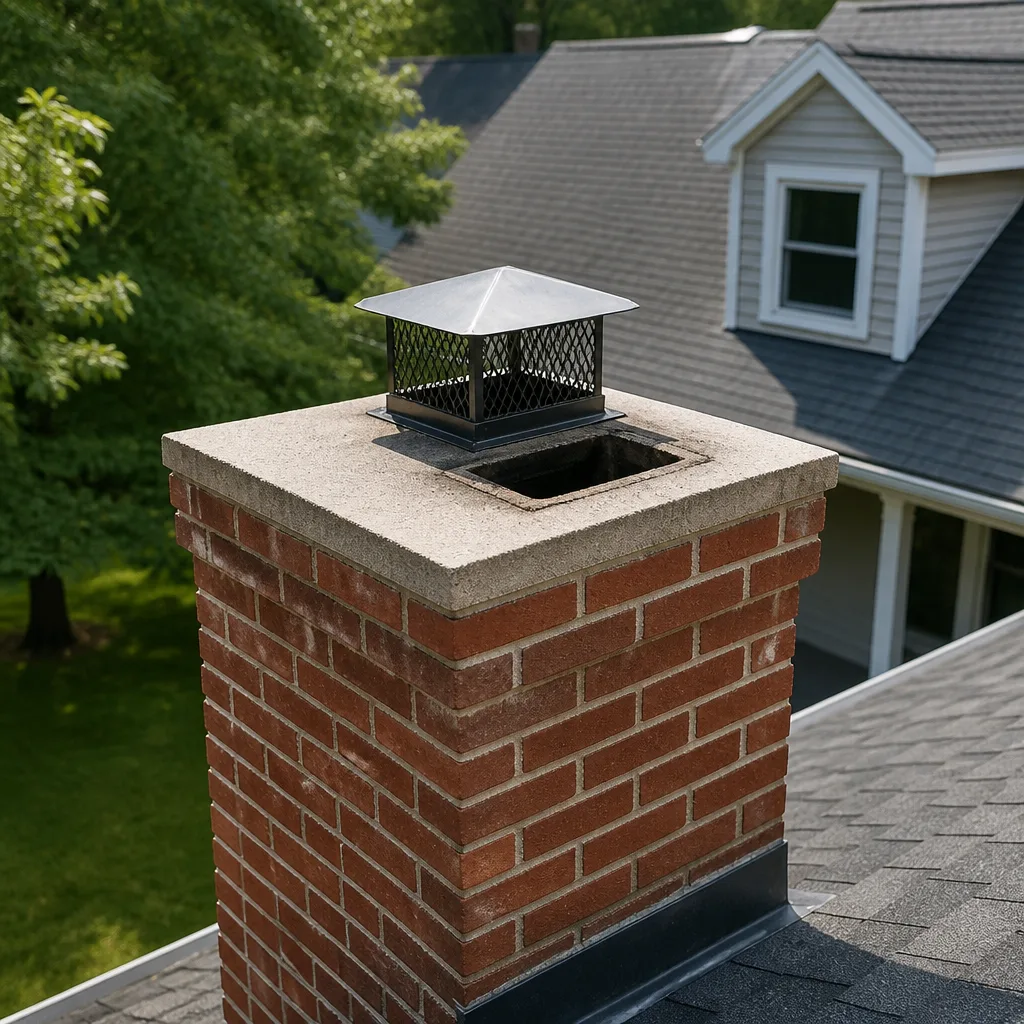
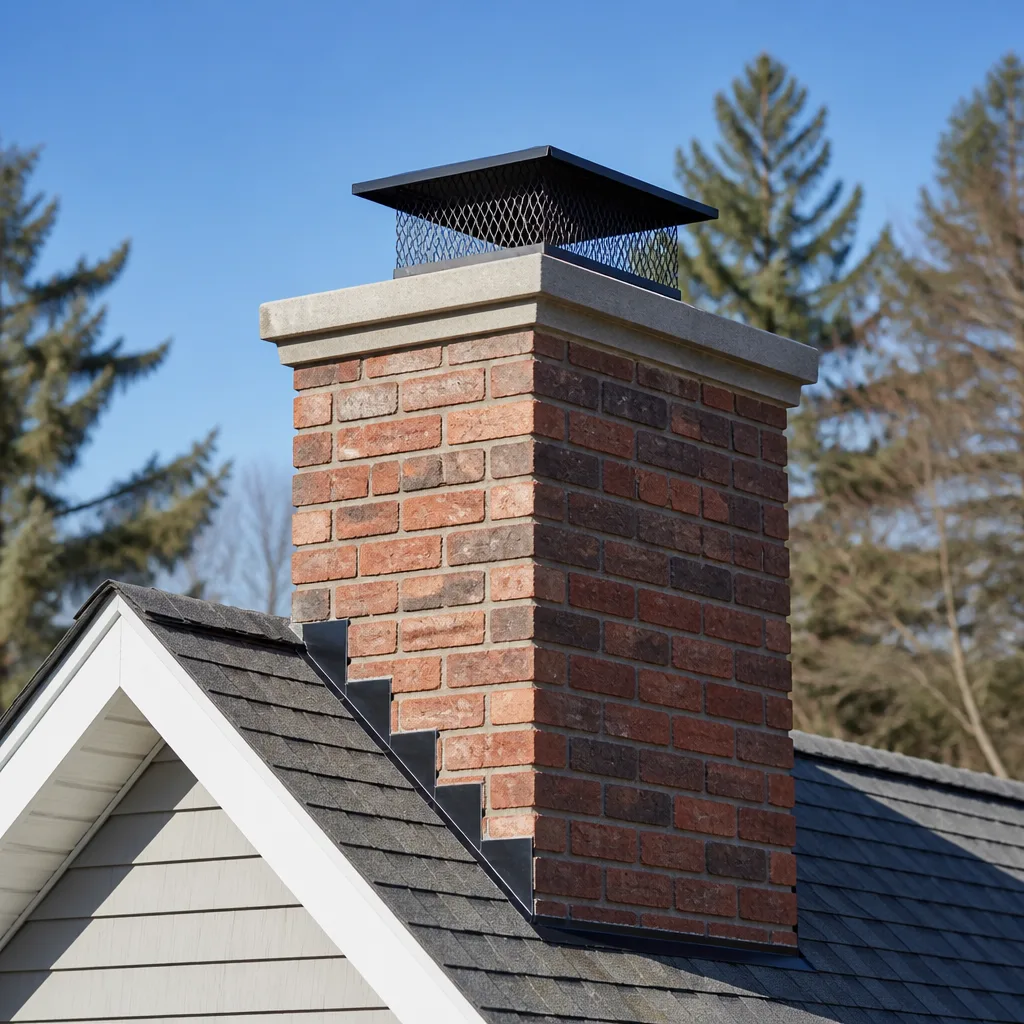
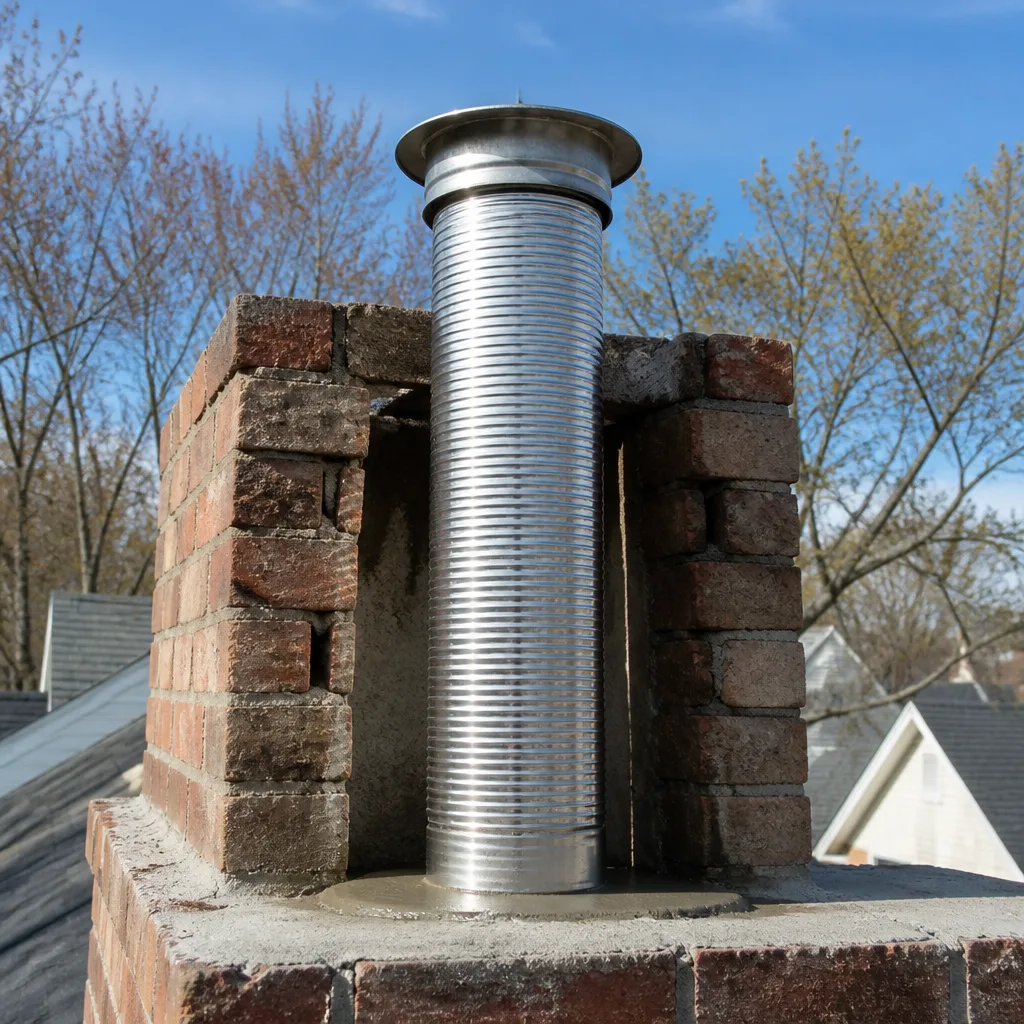
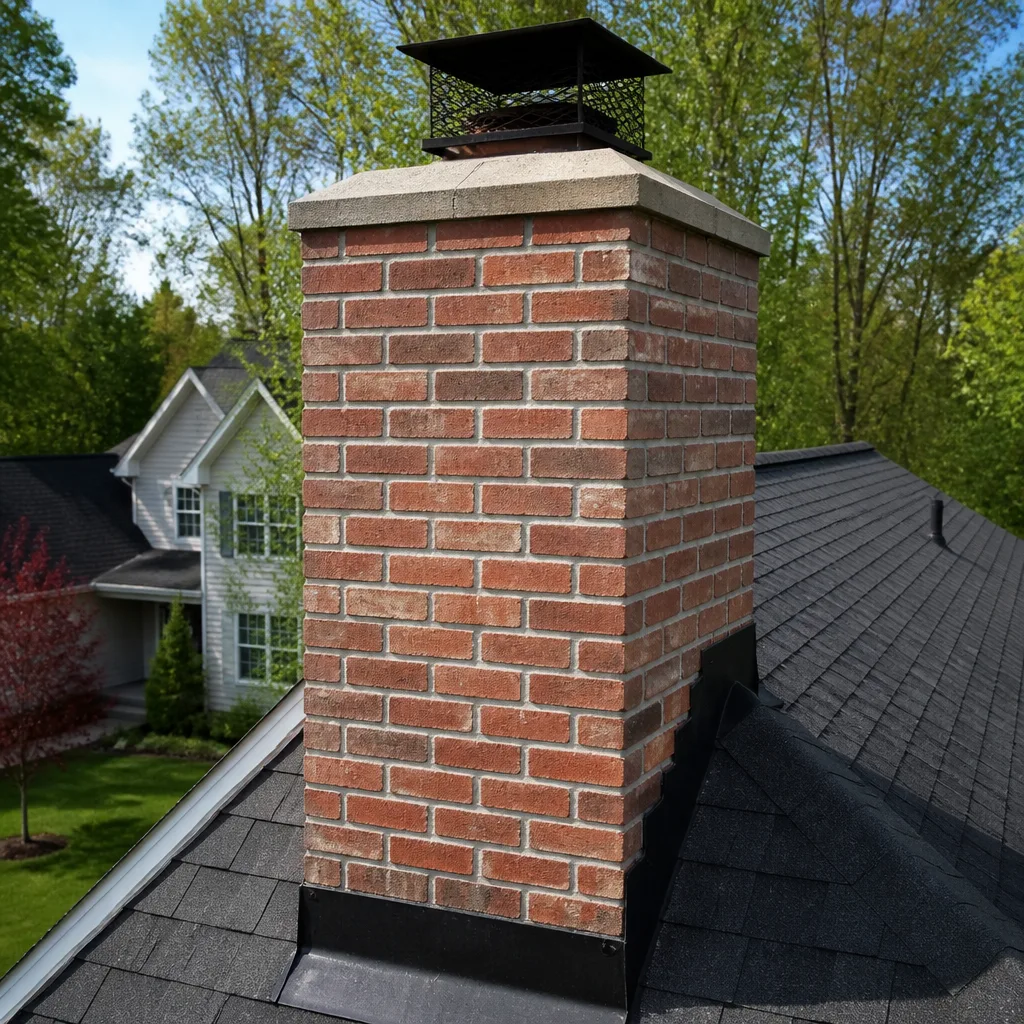
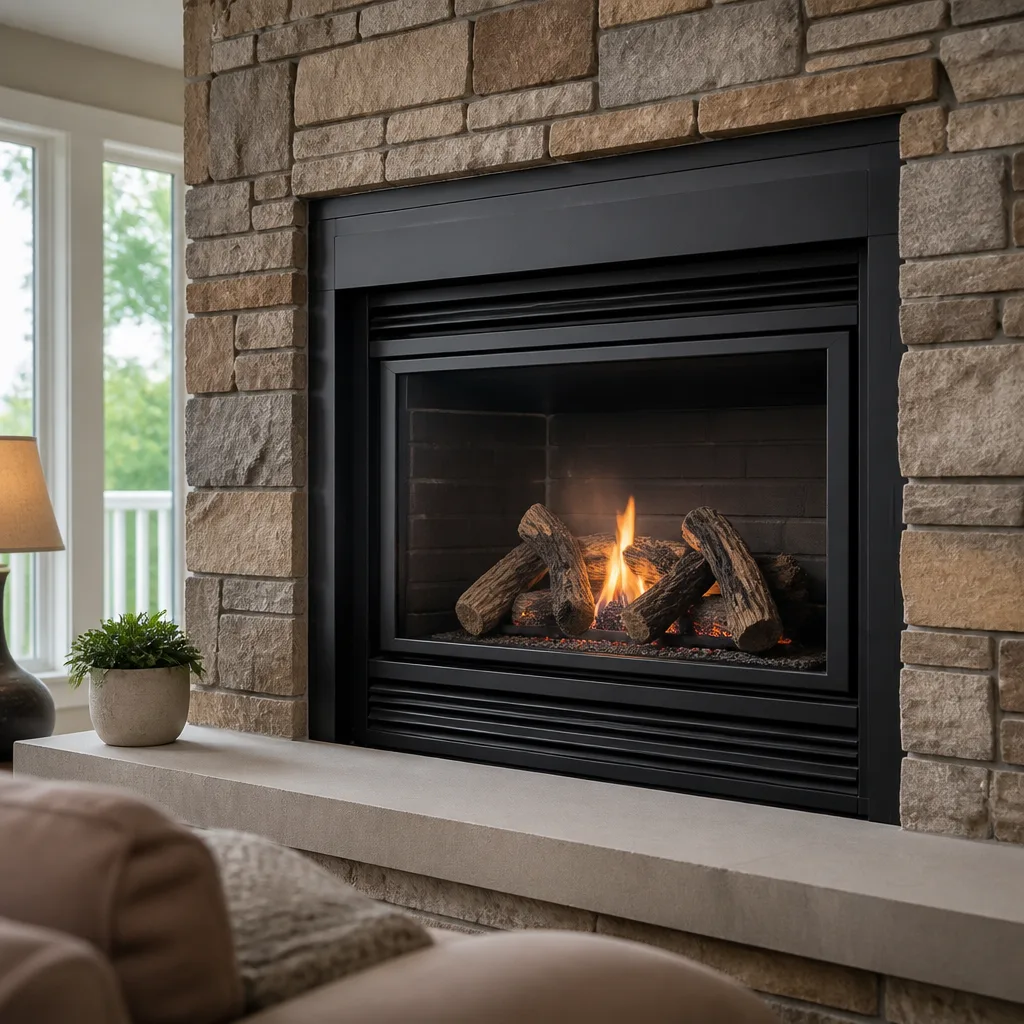
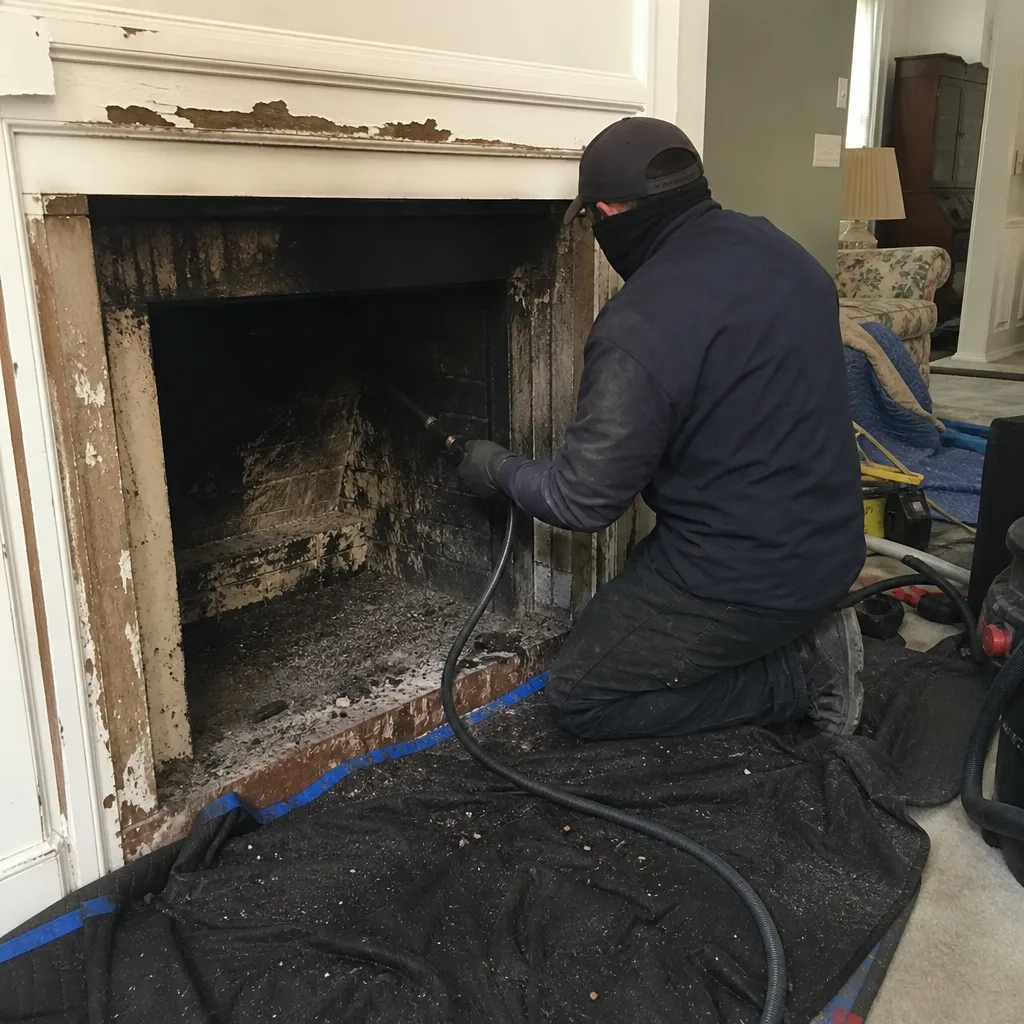 Before
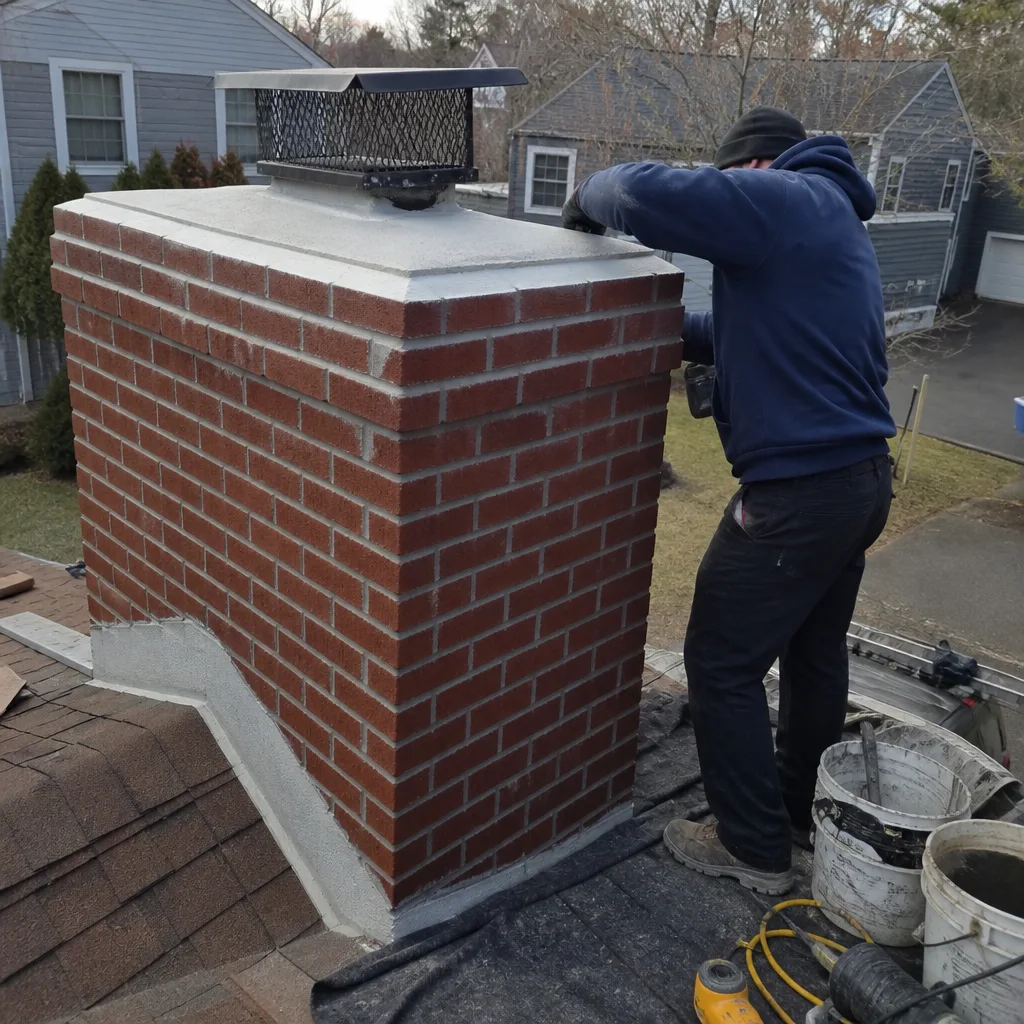 After
After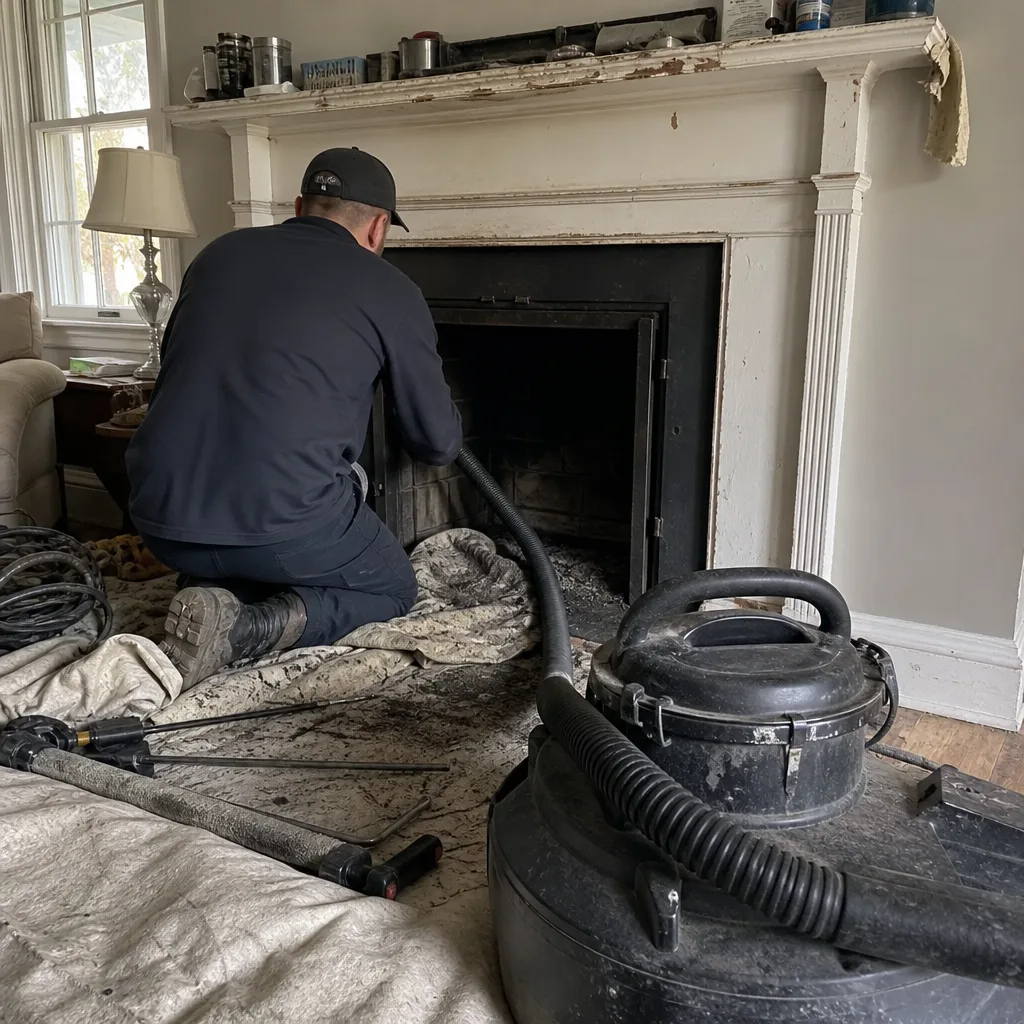 Before
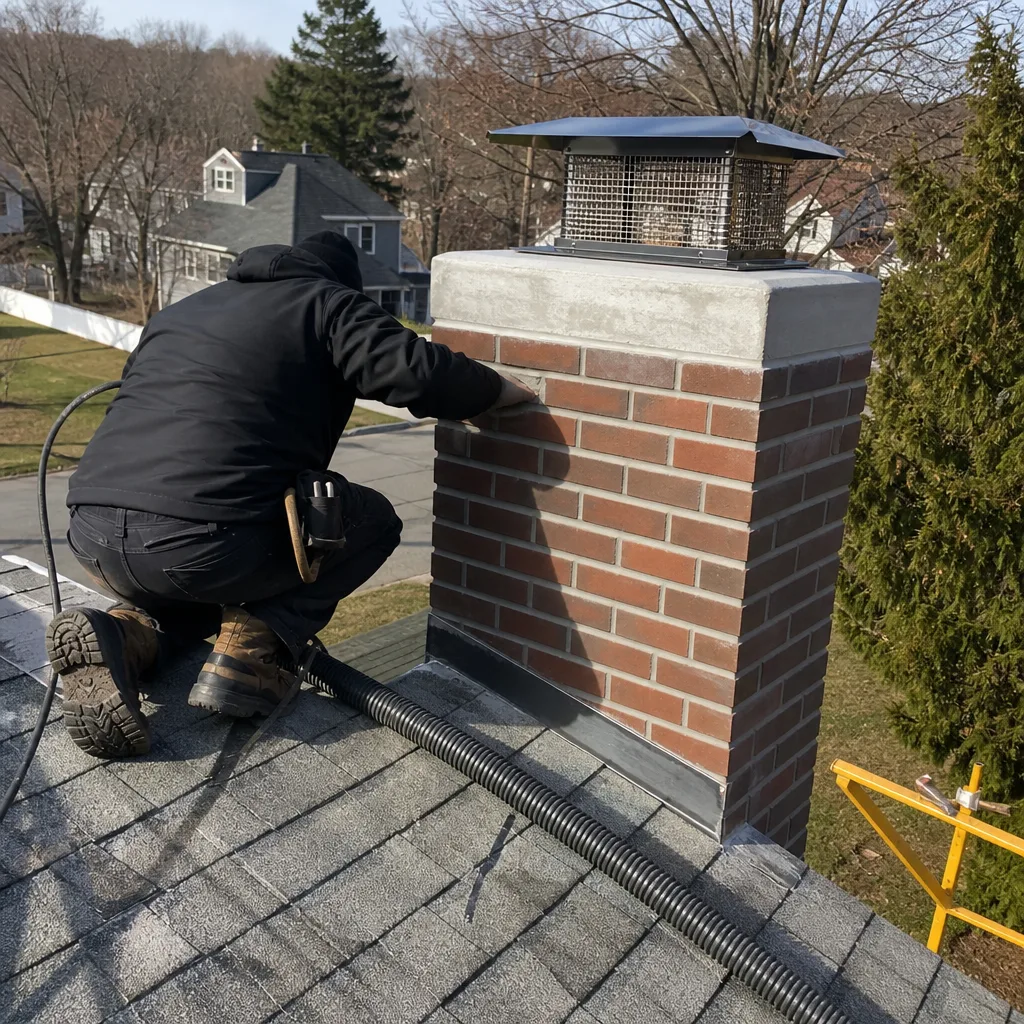 After
After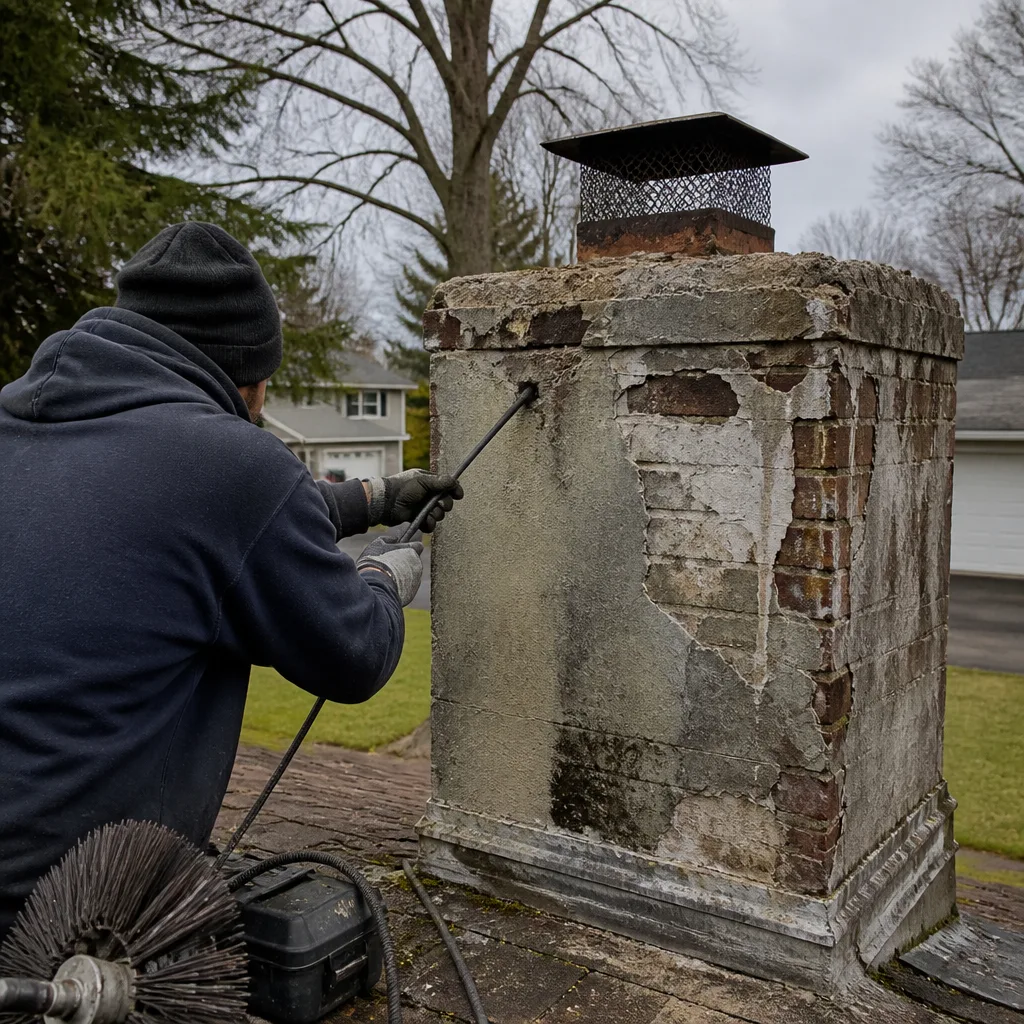 Before
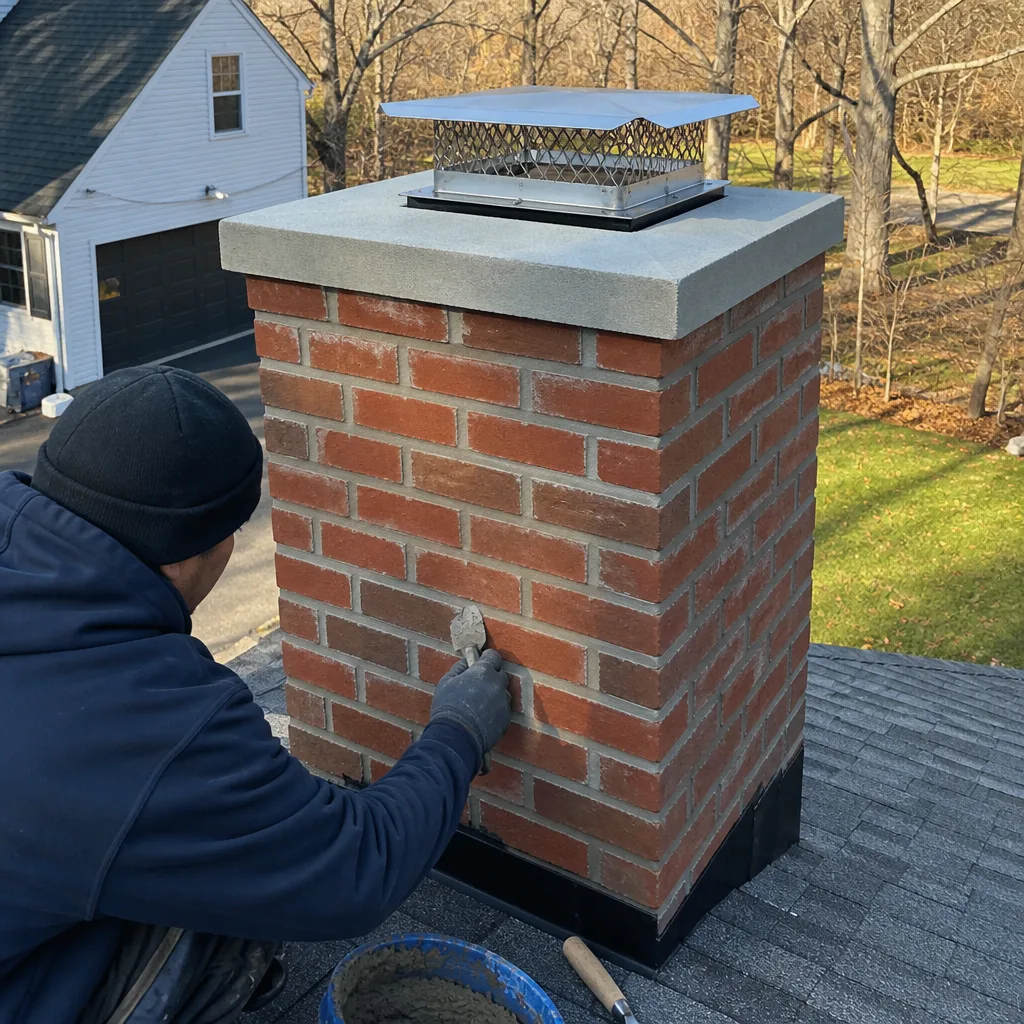 After
AfterDIY vs Professional Chimney Cleaning: The Fairfield Homeowner’s Decision Guide
The chimney brush kits sold at hardware stores are real tools that remove real creosote. What they don’t do is show you whether the clay tile liner behind that soot has a crack that will let 1,000-degree combustion gases into your framing - and that’s the part that burns houses down. In Fairfield, where neighborhoods like Greenfield Hill and Stratfield are filled with homes built before 1980, we’ve pulled brushes from chimneys that looked clean to the homeowner and found liner gaps that would have failed within a season. This guide will tell you exactly what DIY chimney cleaning can and cannot do, what a professional inspection actually covers, and how to decide which path fits your situation without gambling on what you can’t see. For how to hire a chimney cleaning contractor in Fairfield: a step-by-step guide, see our companion resource.
Quick Answer
DIY chimney cleaning removes surface soot and loose creosote from accessible flue walls but cannot inspect the liner, crown, or internal masonry for hidden damage. In Fairfield’s pre-1980 housing stock, professional chimney cleaning and sweep in Fairfield includes a Level-2 camera inspection that reveals liner cracks, joint gaps, and combustion leaks that brushes miss entirely. If you burn wood regularly and your home is more than 40 years old, brushing without inspection leaves the most dangerous problems undetected.
Table of Contents
- What DIY Chimney Cleaning Actually Accomplishes
- The Hard Limits of a Chimney Brush Kit
- What a Professional Inspection Really Includes
- Fairfield Housing Stock: Why Age Matters
- Insurance, Liability, and Documented Maintenance
- A Plain Decision Framework: When DIY Makes Sense and When It Does Not
- What Professional Chimney Cleaning Costs in Fairfield
- Common Mistakes to Avoid
- When to Call a Professional
- Frequently Asked Questions
- The Bottom Line
What DIY Chimney Cleaning Actually Accomplishes
A quality chimney brush kit - the kind with fiberglass extension rods and a poly or wire brush sized to your flue - will remove loose, flaky creosote from the walls of a straight, unobstructed flue. If you burn seasoned hardwood, clean your flue annually, and have a relatively short, vertical chimney without offsets, you can keep the surface reasonably clear. The brush scrapes off Stage 1 creosote (sooty, dusty) and some Stage 2 (shiny, flaky). This matters. Buildup restricts draft, increases the risk of a chimney fire, and can send smoke and carbon monoxide back into your living space.
Here’s what the process looks like when done with care:
- Seal the fireplace opening with plastic sheeting and tape to contain debris.
- Access the flue from the top (roof work - we’ll come back to this) or bottom (firebox, working upward).
- Attach rods incrementally, brushing up and down with moderate pressure to dislodge buildup.
- Vacuum fallen debris from the smoke shelf and firebox.
- Inspect what you can see: the firebox walls, damper condition, and the first few feet of flue from below.
In our experience, a careful homeowner with a one-story home, a straight flue, and a history of clean burns can maintain surface cleanliness this way. We’ve seen it. We’ve also seen the aftermath when that same homeowner assumed clean walls meant a sound system.
The critical distinction: brushing cleans surfaces. It does not evaluate structure. A flue can be spotless and still have a cracked tile three feet above the smoke shelf, a deteriorated mortar joint behind a bend, or a gap at the thimble where the insert connects. These are not rare failures. They are the common failure modes in aging systems, and they are invisible to a brush.
The Hard Limits of a Chimney Brush Kit
Every tool has a reach. Understanding where that reach ends is what separates an informed decision from a risky assumption.
What a brush cannot do:
- Inspect beyond arm’s length. From the firebox, you can see perhaps 3-4 feet up the flue with a flashlight. From the roof, looking down, you might see more if the flue is straight and the day is bright. But liner joints, mid-flue cracks, and offset damage are not visible to the human eye from either direction.
- Evaluate the crown or cap installation. Water intrusion through a cracked crown destroys liners from the outside. A brush never touches the crown.
- Assess the smoke chamber. The area above the damper and below the flue tile is a common collection point for creosote and a common location for corbelled masonry that fails. It is not brush-accessible in most systems.
- Detect clearance violations. Chimney fires often start not because the flue is dirty, but because framing was installed too close to the masonry decades ago, and pyrolysis has lowered the wood’s ignition temperature over years of heat exposure. No brush reveals this.
- Identify liner material or condition. Is your liner clay tile, stainless steel, or poured refractory? Is it listed for your appliance? Has it shifted, settled, or separated? A brush passes through; it does not diagnose.
There is also the matter of Stage 3 creosote - the hard, glazed, tar-like deposit that forms when wood is burned wet or fires are smoldered. It adheres to flue walls like enamel. A homeowner brush will not remove it. Professional-grade mechanical cleaners, rotary systems, and chemical treatments are required. We’ve encountered glazed buildup in Fairfield homes where the homeowner had brushed faithfully for years, never realizing the flue was still dangerously restricted.
And then there is the roof. Most Fairfield chimneys require rooftop access for thorough cleaning and any meaningful top-down inspection. Steep pitches, slate or synthetic slate roofing common in Greenfield Hill, and Connecticut’s freeze-thaw cycle create genuine fall hazards. In our view, this is not a task for anyone without proper ladder equipment, roof anchors, and experience. We’ve been called to homes where the DIY effort ended with a damaged gutter or worse.
What a Professional Inspection Really Includes
The National Fire Protection Association (NFPA) defines three levels of chimney inspection. Most homeowners have never heard of them, and many sweeps do not explain the distinction. We do, because the difference matters.
Level 1: Visual examination of readily accessible portions. No tools, no climbing, no camera. This is what happens when a sweep “takes a look” during a routine cleaning. It is appropriate for chimneys with no known problems, no changes to the system, and consistent use.
Level 2: Visual examination plus accessible portions of the chimney exterior and interior, including attics, crawl spaces, and basements. Includes video scanning of the flue interior. Required upon sale or transfer of property, after an operating malfunction or external event (earthquake, chimney fire), or after any change to the system. This is the standard we perform with every chimney cleaning and sweep in Fairfield.
Level 3: Includes demolition or removal of components as necessary to investigate suspected hazards. Rare, and only performed when Level 2 reveals evidence of serious concealed damage.
The critical tool in a Level 2 inspection is the flue camera. Ours is a high-resolution, articulating camera on a flexible rod, with LED lighting and digital recording capability. The technician feeds it down the flue from the top, capturing video of every liner joint, every tile surface, every mortar connection. The homeowner sees what we see, in real time or on the recorded report. There is no interpretation without documentation.
What a Level-2 inspection reveals that brushing cannot:
- Cracked or spalled clay tiles. Thermal shock, moisture intrusion, or chimney fires cause tiles to fracture. Cracks can be hairline and still allow combustion gases to escape the flue.
- Failed mortar joints between tiles. These gaps are often not visible from either end of the flue. They allow lateral gas migration into the chimney cavity.
- Shifting or settled liner sections. Clay tile liners are stacked, not bonded. Settlement of the chimney structure can open gaps at joints.
- Creosote buildup behind offsets or in smoke chambers. These areas are unreachable by standard brushes.
- Obstructions: bird nests, collapsed liner sections, or debris from deteriorated masonry.
- Evidence of previous chimney fires. Puffy, expanded creosote or heat-damaged tiles tell a story the current homeowner may not know.
- Liner settlement at the first offset or thimble connection. Original construction often used short liner sections with minimal overlap at joints. Decades of thermal cycling and minor foundation movement open these joints.
- Vertical cracking at the flue’s rear wall. This is the surface closest to the heated house, experiencing the steepest thermal gradient. Cracks here are invisible from the firebox and often missed by top-down visual inspection without a camera.
- Smoke chamber deterioration. The corbeled brick or parged surface above the damper was often built with ordinary mortar, not refractory material. It degrades, exposing rough surfaces that collect creosote and accelerate buildup.
- Clearance compromises from past renovations. We find framing, insulation, or wiring installed too close to chimney masonry in homes that have been remodeled multiple times. These are not DIY-discoverable conditions.
- You have a newer home (post-1990) with a factory-built metal chimney or listed stainless liner, you burn only seasoned hardwood, and you have no history of chimney fires or operating problems. In this case, surface creosote removal between professional inspections is not harmful. We still recommend professional inspection every 2-3 years.
- You are between professional cleanings, have verified safe operation (good draft, no smoke spillage, no odor), and need to address minor surface buildup before the heating season. This is maintenance, not replacement of professional care.
- Your home was built before 1980 with original clay tile liners. The probability of concealed joint gaps, cracks, or settlement increases substantially. Camera inspection is essential.
- You have experienced any chimney fire, even a minor one. Thermal damage to liners is often not visible without camera inspection. A “small” fire can create cracks that fail catastrophically in the next heating season.
- You are buying, selling, or have recently modified your fireplace or heating appliance. NFPA requires Level-2 inspection for these events. DIY cleaning does not satisfy this requirement and may create liability.
- Assuming a clean flue is a sound flue. This is the most dangerous error we encounter. Soot removal and structural evaluation are different tasks. A brush accomplishes one; a camera accomplishes the other.
- Using the wrong brush size or material. A brush too small for the flue diameter polishes the creosote rather than removing it. A wire brush in a metal flue scratches the surface and creates corrosion points. In Fairfield’s older homes with oversized flues from coal-to-wood conversions, this mismatch is common.
- Neglecting the smoke chamber and firebox. DIY efforts often stop at the flue. The smoke chamber above the damper collects significant creosote and is a common fire origin point. It requires specialized tools and access.
- Working on the roof without proper equipment. Fairfield’s older homes often have steep pitches and brittle slate or aging asphalt shingles. Falls from roof level are frequently fatal. We carry ladder stabilization, roof anchors, and fall protection; homeowners typically do not.
- Burning wet or unseasoned wood, then brushing annually and assuming safety. Wet wood creates glazed creosote that standard brushes cannot remove. Annual brushing of glazed buildup gives a false sense of security while the flue remains restricted.
- Failing to inspect after a chimney fire, even a “small” one. Thermal shock cracks tiles and damages mortar. The system may appear to draft normally while concealing fatal damage. Camera inspection is mandatory after any fire event.
- Deferring professional inspection because the system “looks fine from the bottom.” Human vision cannot evaluate a 25-foot flue from one vantage point. This is not a limitation of attention; it is a limitation of physics.
Our inspections end with photos you can see and a plain-English verdict. If the liner is sound, we say so. If work can safely wait a season, we say that too. We document everything because our 90-Day Done Right Promise - in writing, no arguing - depends on knowing exactly what condition we found and what we did about it.
The brands we specify for repair work when inspection reveals damage - Gelco caps, Olympia Chimney liners, Famco dampers, and Copperfield refractory products - are chosen for documented performance in New England’s climate, not for distributor incentives. We use them because we’ve seen how they hold up after fifteen Fairfield winters.
Fairfield Housing Stock: Why Age Matters
Fairfield’s residential architecture spans four centuries, but the bulk of our housing stock was built between 1920 and 1980. In Stratfield, Greenfield Hill, and the beach-area neighborhoods from Southport to Black Rock, we routinely work on homes with original clay tile liners installed when Gerald Ford was president. These liners were built to a different standard than modern listed systems, and they have aged through cycles that test masonry brutally.
Connecticut’s climate is hard on chimneys. For seasonal chimney cleaning care for Fairfield: year-round homeowner’s guide details, note that freeze-thaw cycles begin in October and can run into April. Moisture enters through porous brick, cracked crowns, or failed flashing, then expands as it freezes. Over decades, this mechanical action degrades mortar, spalls brick faces, and stresses liner tiles. Fairfield’s proximity to Long Island Sound adds salt air exposure for coastal properties, accelerating metal component corrosion.
The specific failure pattern we see in pre-1980 Fairfield homes:
In the Lake Mohegan area and near Fairfield University, we’ve encountered homes with multiple fireplace additions, wood stove insert installations, and chimney modifications performed by owners or contractors who did not understand venting requirements. The result is often a “clean” flue with a fundamentally unsafe configuration. Brushing does not address this.
We are not suggesting every older home has a failed liner. Many do not. But the probability of concealed damage rises with age, and the consequences of missing it - a chimney fire that breaches the liner and ignites framing, or slow carbon monoxide leakage into a bedroom - are not risks we believe homeowners should carry unknowingly.
Insurance, Liability, and Documented Maintenance
This is the conversation homeowners rarely have until it is too late. We have had it with adjusters, and we want you to have it before you need to.
Homeowner’s insurance policies vary, but most contain language requiring “reasonable maintenance” or “due care” for known hazards. A chimney fire that results in structural damage will trigger an investigation. The adjuster will ask: when was the chimney last cleaned? By whom? Was there documentation? Was the work performed by a certified professional, and was the system inspected?
If you cleaned your own chimney, you may have difficulty demonstrating that maintenance met the policy’s standard. Photos of your brush and vacuum do not establish that the flue was inspected for structural integrity. An insurer may argue that DIY cleaning, without professional inspection, does not constitute reasonable maintenance of a combustion venting system. We have seen claims disputed on these grounds.
More critically, if a fire investigation reveals a pre-existing liner defect that a Level-2 inspection would have identified, coverage may be reduced or denied. The argument: the homeowner had notice of a potential hazard (age of system, visible exterior damage, previous fires) and failed to obtain appropriate professional evaluation.
Conversely, documented professional inspection creates a paper trail. Our reports include dated photos, condition assessment, and recommendations. If we clear a system as sound, that documentation exists. If we identify a hazard and the homeowner elects to defer repair, that is also documented - the homeowner made an informed choice, not an uninformed omission.
For Fairfield homeowners in historic districts or with homes valued above $800,000, the stakes are particularly high. Rebuilding after a significant chimney fire in a historic structure can exceed policy limits or trigger conservation requirements that complicate restoration. Documented maintenance is not merely prudent; it is financial protection.
We do not sell insurance. We do document what we find, clearly and thoroughly, because a square deal includes giving you what you need to protect yourself.
A Plain Decision Framework: When DIY Makes Sense and When It Does Not
After 42 years of answering this question, we’ve distilled it to two conditions where DIY brushing is a reasonable stopgap, and three where it is not a substitute for professional work.
DIY brushing may be reasonable when:
DIY brushing is not sufficient when:
The honest framework: if you cannot answer “yes” to all three of these - is my liner known to be sound, is my system unmodified and under 40 years old, and have I had no operational problems - then brushing without inspection is gambling with information you do not have.
We are not in the business of convincing capable homeowners that they are helpless. We are in the business of ensuring that what you cannot see does not harm you. In Fairfield’s housing market, what you cannot see is frequently what matters most.
What Professional Chimney Cleaning Costs in Fairfield
Cost is a real consideration, and we address it directly because uncertainty about pricing keeps some homeowners from calling until a problem forces the issue. See our chimney cleaning cost breakdown: the Fairfield homeowner’s reference for 2026 for full details.
In Fairfield’s market, professional chimney cleaning with Level-2 camera inspection typically ranges as follows:
| Service | Typical Range | What It Includes |
|---|---|---|
| Standard chimney sweep + Level-2 inspection | $250-$400 | Full flue brushing, smoke chamber cleaning, firebox inspection, digital camera scan of liner, photo report, plain-English verdict |
| Glazed creosote removal (rotary/mechanical) | $150-$300 additional | Specialized equipment and chemical treatment for hardened deposits |
| Chimney cap or crown repair | $350-$1,200 | Varies by material, access, and extent of damage; Gelco stainless caps typically $450-$750 installed |
| Liner repair or HeatShield resurfacing | $1,200-$3,500 | Localized repair of sound liner with joint gaps; full replacement higher |
| Seasonal tune-up (standing offer) | $89 | Inspection-focused service for systems in good condition; does not include full sweep if significant buildup present |
Our standing offers: $50 off any repair over $250, free second opinion on any written estimate, the $89 seasonal tune-up, and a permanent 5% senior and veteran discount. No-hassle upfront pricing means the number on the estimate is the number on the invoice.
Compared to DIY, the professional service includes equipment investment most homeowners will not make: commercial-grade HEPA vacuums, rotary cleaning systems, high-resolution flue cameras, and liability insurance. More importantly, it includes trained interpretation of what the camera reveals. A picture of a crack is only useful if someone can tell you whether it requires immediate repair, monitoring, or is within acceptable tolerance.
For context, a chimney fire that breaches the liner and ignites adjacent framing can cause $50,000-$200,000 in damage, depending on the home’s size and construction. Carbon monoxide exposure carries costs that are not financial. The inspection fee is not an expense; it is information purchased against much larger uncertainty.
Common Mistakes to Avoid
When to Call a Professional
Call when your home fits any of the three conditions above: pre-1980 construction, any history of chimney fire, or recent sale or modification. Call if you notice smoke spillage into the room, persistent chimney odor, visible exterior masonry damage, or draft problems that brushing does not resolve. Call if you are uncertain of your liner’s condition and would rather know than guess.
Hearthstone Chimney Co. offers free estimates in Fairfield. A technician will evaluate your system, explain what the camera reveals, and give you a plain-English verdict with no pressure to book work you do not need. Explore our more guides & resources to learn about chimney care, maintenance, and safety. Calls are answered by a live person, 24 hours a day, every day. Reach us at (475) 251-7537.
Frequently Asked Questions
Standard chimney cleaning with Level-2 camera inspection in Fairfield typically runs $250-$400, with glazed creosote removal adding $150-$300 if needed. Our $89 seasonal tune-up offers a lower-cost inspection option for systems in good condition. Call (475) 251-7537 for an exact quote - estimates are free.
You can remove surface soot and loose creosote from accessible flue walls, which helps maintain draft and reduces fire risk from buildup. You cannot inspect the liner for cracks, evaluate the crown for water intrusion, or assess clearance violations without professional equipment. In Fairfield’s pre-1980 housing stock, brushing without inspection leaves the most common hazards undetected.
The National Fire Protection Association recommends annual inspection for all chimneys, with cleaning frequency determined by buildup amount. In Fairfield, where heating seasons run October through April and many homes burn wood as supplemental heat, annual sweeping is typical for regular wood burners. Occasional fireplace users may extend to every 2-3 years with professional inspection to confirm condition.
Skipped maintenance allows creosote accumulation, which restricts draft and increases chimney fire risk. More critically, it defers detection of liner cracks, crown failure, or masonry deterioration that allow combustion gases or water into the chimney structure. In Fairfield’s freeze-thaw climate, water intrusion accelerates damage dramatically. Chimney fires and carbon monoxide exposure are the serious outcomes; gradual system degradation is the common one. Call (475) 251-7537 to schedule before the burning season - estimates are free.
A reputable sweep shows you camera evidence and explains the specific failure: cracked tiles, open joints, or deterioration pattern. At Hearthstone, our Level-2 inspection ends with photos you can see and a plain-English verdict. If the liner is sound, we say so. If repair can wait, we say that too. Nothing is recommended without documentation you can evaluate yourself. We also offer free second opinions on any written estimate from another company.
Connecticut does not mandate chimney inspection by statute, but Fairfield County real estate transactions increasingly require Level-2 inspection as a condition of sale. Buyers’ insurers may request documentation. Even when not required, a pre-listing inspection identifies issues that could delay closing. We provide dated, photo-documented reports that satisfy most transaction requirements.
Cleaning removes combustible deposits from the flue and firebox. Inspection evaluates the system’s structural condition, clearances, and suitability for continued use. A sweep without inspection cleans surfaces but cannot certify safety. An inspection without cleaning may be appropriate for a clean system but cannot address buildup. Professional service combines both, with the inspection component - particularly camera evaluation of the liner - being the part that reveals hidden danger.
The Bottom Line
DIY chimney cleaning has its place: surface maintenance between professional visits, minor buildup in newer systems, and homeowners who understand exactly what their brush cannot do. Its hard limits are structural inspection, liner evaluation, and hazard detection in concealed spaces. In Fairfield, where four decades of freeze-thaw cycles have tested pre-1980 clay tile liners, those limits matter more than surface cleanliness.
The real decision is not whether you can run a brush up your flue. You probably can. The decision is whether you are willing to operate a combustion system without knowing the condition of the liner that contains it. We have seen the consequences of that uncertainty, and we have seen the peace of mind that comes from documented, photographed, plain-English clarity.
Done right - and we stand behind it. Photos you can see, a verdict you can understand, and a company that plans to be in Fairfield thirty years from now. That’s the Hearthstone standard.
Written by Russell Haines, Owner at Hearthstone Chimney Co., serving Fairfield since 2014.