
Last updated September 10, 2026
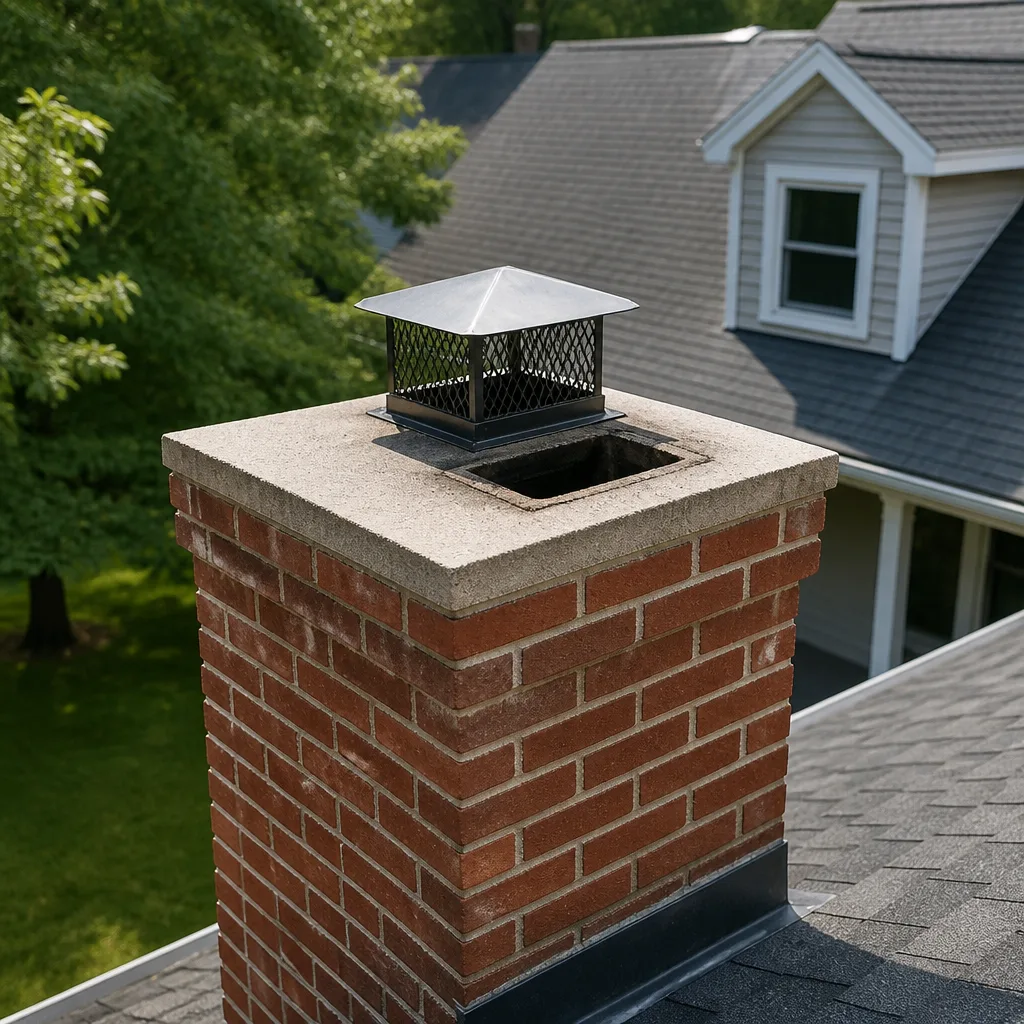
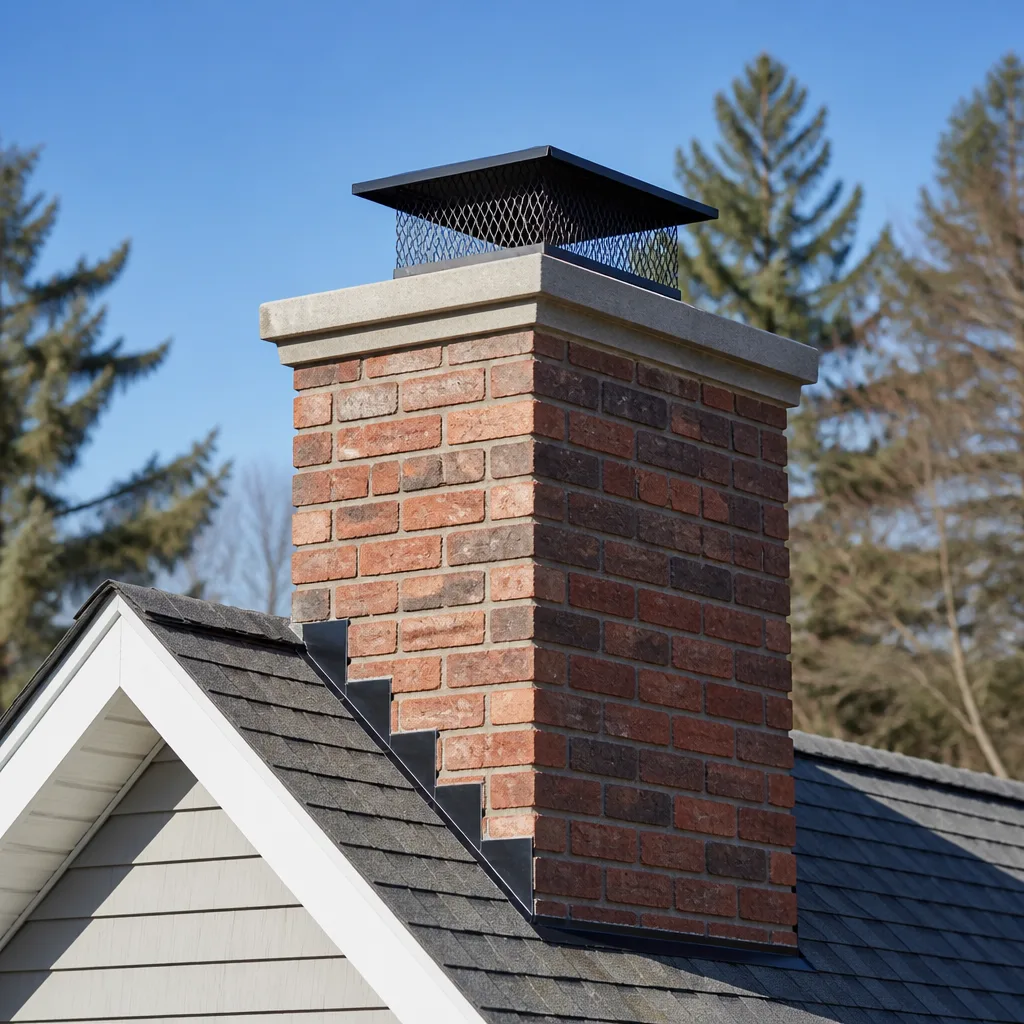
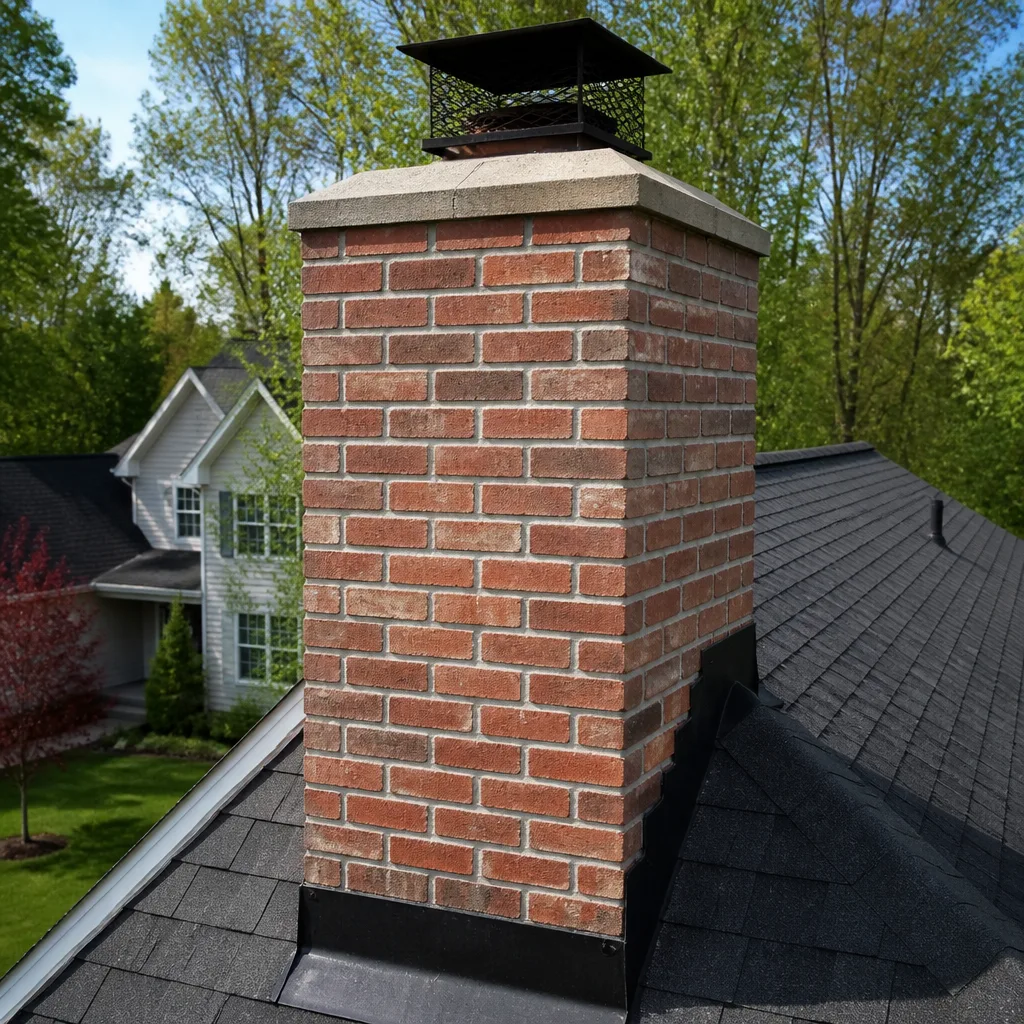
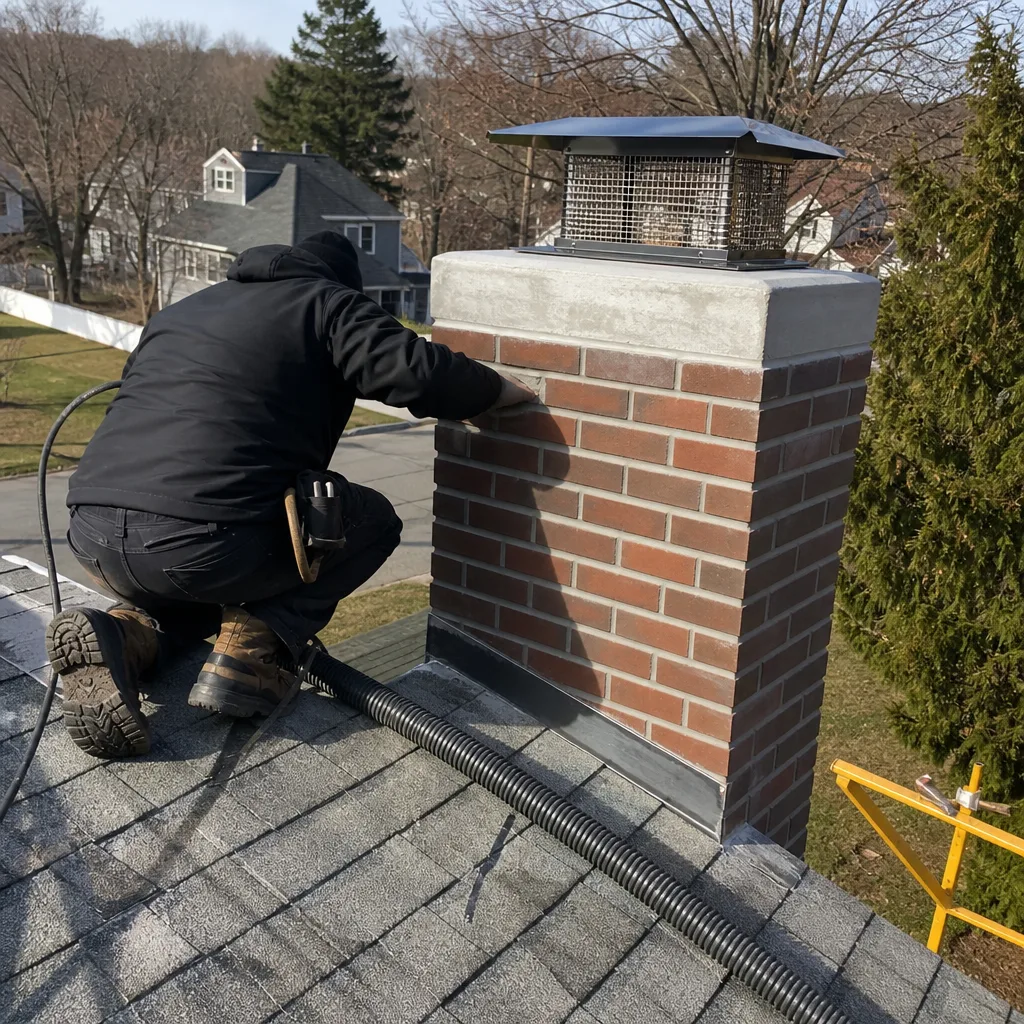
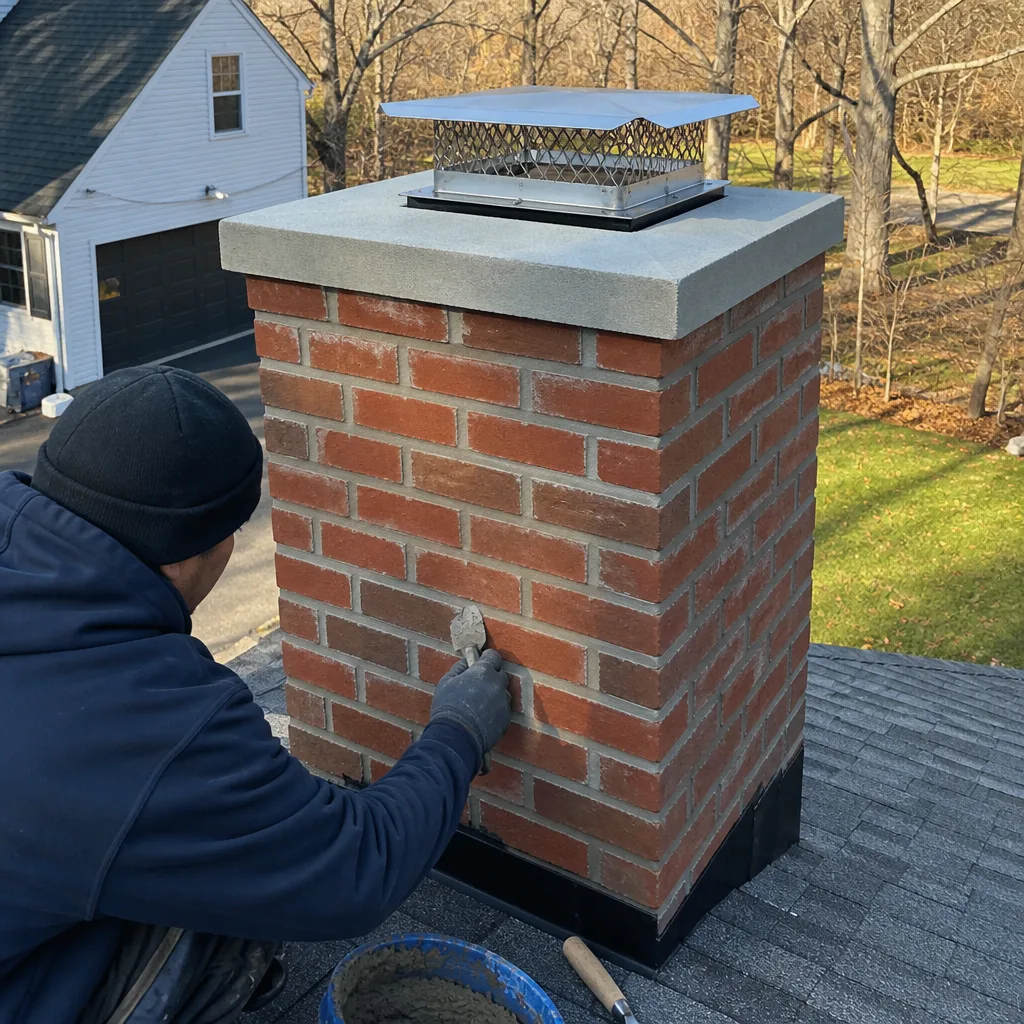
Level 1 sweep and inspection to the NFPA 211 annual standard - flue, crown, cap, and flashing checked and photographed
Chimney sweep logs do not sweep chimneys. They loosen some creosote - which then falls where a brush and vacuum still have to collect it.
 Before
 After
After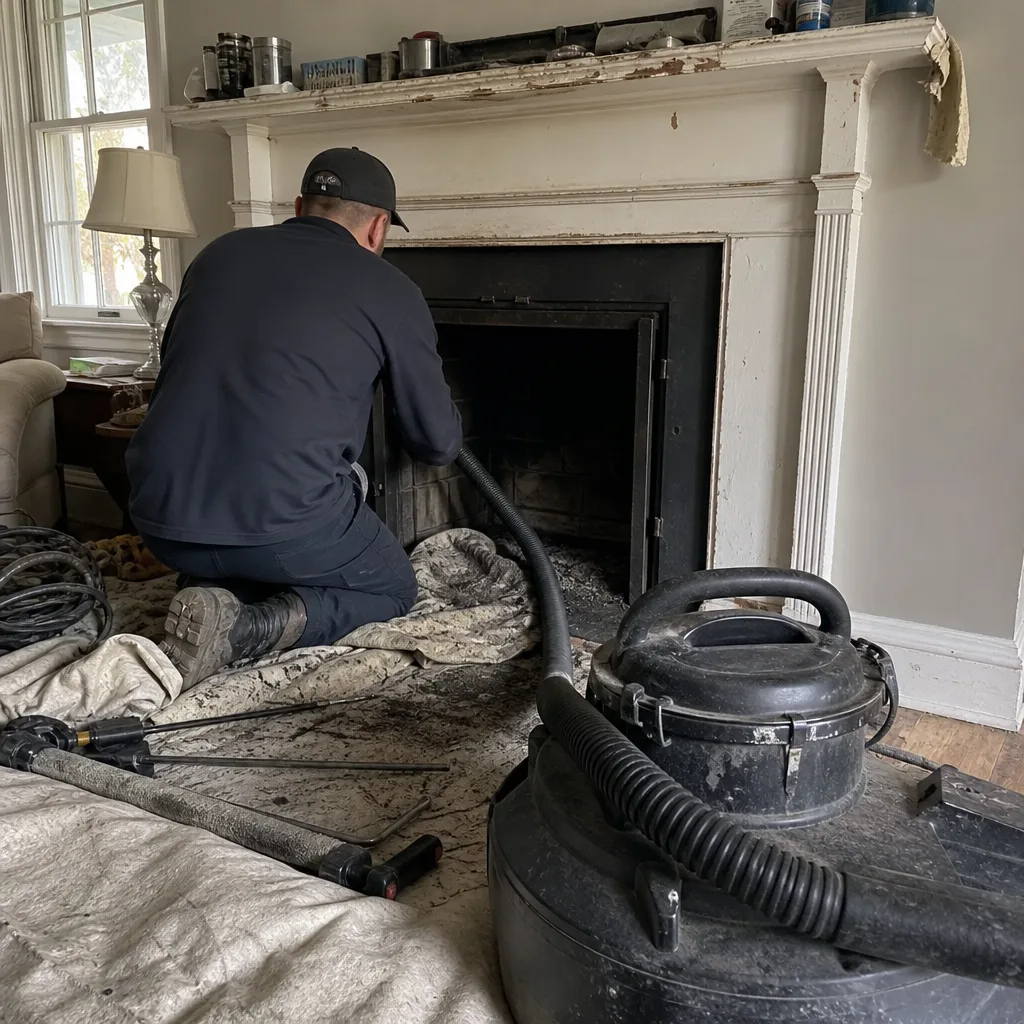 Before
 After
After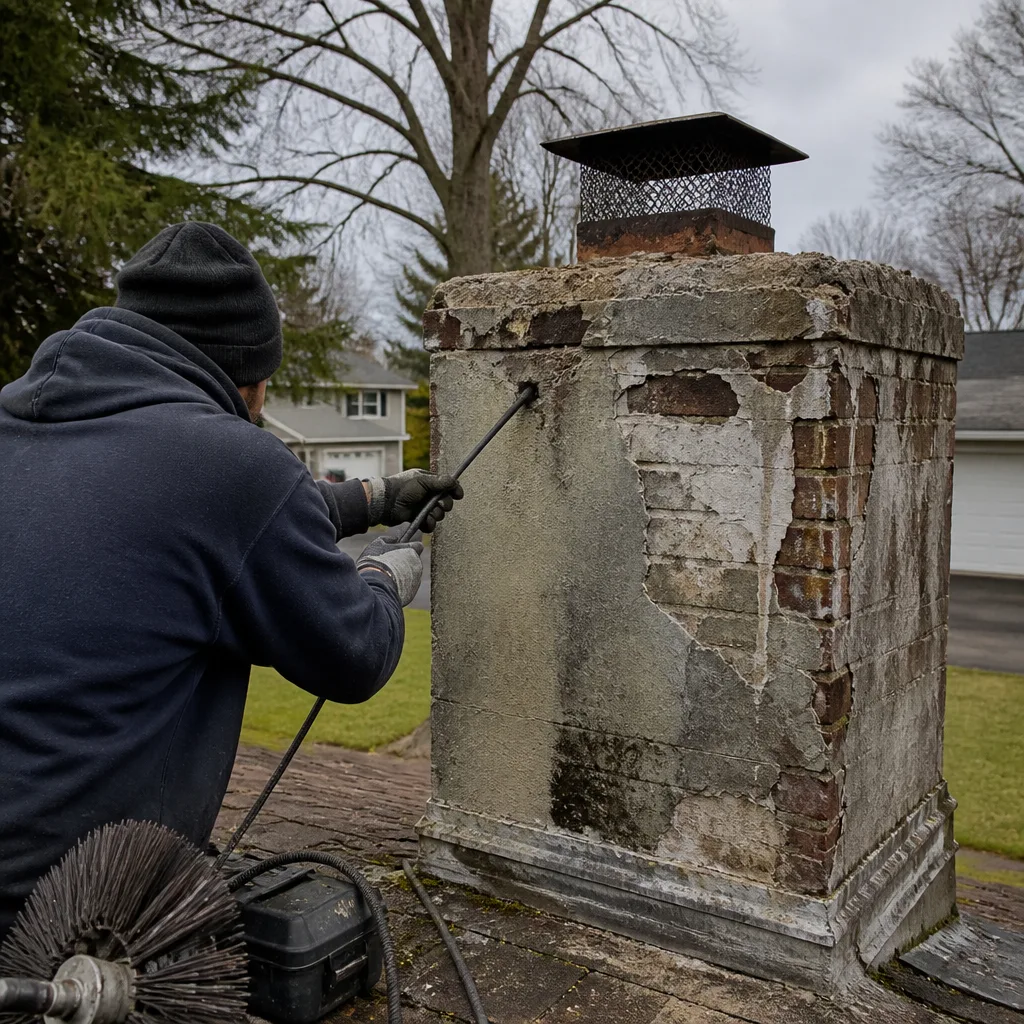 Before
 After
AfterHow to Hire a Chimney Cleaning Contractor in Fairfield: A Step-by-Step Guide
There is no licensing requirement specific to chimney sweeps in Connecticut. The technician who arrives at your Fairfield home could have trained for a decade under a master sweep, or they could have bought a brush and a magnet sign last Tuesday. On paper, they are identical. In your flue, they are not. This guide will show you the exact questions to ask, the documents to demand, and the red flags that should end the conversation before anyone climbs your ladder.
Quick Answer
Hiring a chimney cleaning contractor in Fairfield starts with four questions: Are you CSIA-certified and properly insured? Will you perform a camera inspection of the flue liner? What written report with photos will I receive? Can you provide a detailed, itemized estimate before work begins? The contractors who answer these questions with specifics, photos, and documentation are the ones worth your time. Those who hedge, omit, or rush past them are the ones who leave homeowners with undocumented “all clear” verdicts and hidden repair bills.
Table of Contents
- The No-License Trap: What Connecticut Law Actually Requires
- The Four Questions That Separate Craftsmen from Operators
- CSIA Certification: Floor, Not Ceiling
- Why the Lowest Bid in Fairfield Skips the Liner Inspection
- Written Documentation: The Difference Between a Receipt and a Real Report
- How to Verify Insurance and Check Complaint History
- How Fairfield’s Coastal Climate Affects Your Chimney
- What to Expect During a Professional Chimney Cleaning
The No-License Trap: What Connecticut Law Actually Requires
Connecticut does not require a specific license to operate as a chimney sweep. The state licenses home improvement contractors through the Department of Consumer Protection, but that license covers broad construction work, not the specialized knowledge of flue dynamics, creosote combustion, or liner integrity. A contractor can hold a home improvement license and know almost nothing about chimneys.
This matters in Fairfield more than inland markets. Our coastal position means salt air accelerates metal component corrosion. A contractor who understands Fairfield’s specific conditions, who has worked on the masonry chimneys in the historic districts near Old Post Road and the prefab systems in newer Greenfield Hill developments, brings knowledge no generic license captures.
What the state does require is proper insurance. Any contractor working on your property should carry general liability insurance and workers’ compensation coverage. Without both, you are exposed. If a technician falls from your roof or damages your home, the claim lands on your homeowner’s policy, or in your lap.
We have seen the aftermath of unverified contractors in Fairfield homes. A homeowner in the Stratfield neighborhood called us after a $99 sweep special left them with a damaged clay liner and no documentation. The company had vanished. The “technician” had used a wire brush rated for steel flues on their terra cotta liner, cracking it in three places. The homeowner faced a $4,200 liner replacement with no recourse.
The lesson: absence of specific licensing means your due diligence matters more, not less.
The Four Questions That Separate Craftsmen from Operators
Before you schedule any chimney work in Fairfield, ask these four questions. Write down the answers. The specific words matter.
Question 1: “Will you perform a Level-2 camera inspection of the flue liner?”
The answer you want: “Yes, we use a video scanning system to inspect the entire flue interior, and you will receive photos of any findings.”
The answer that should end the call: “We can look with a flashlight if you want,” or “We only do camera inspections if we see a problem,” or “That’s extra.”
A flashlight inspection from the firebox shows perhaps 10 percent of the flue surface. The rest, including the critical smoke shelf area and upper flue tiles, remains hidden. In Fairfield’s older homes, particularly those built before 1960 with original clay liners, hidden deterioration is common. We regularly find vertical cracks in the upper third of flues that no flashlight could reveal. These cracks allow heat and combustion gases to reach combustible framing, creating fire risk the homeowner cannot see or smell.
Question 2: “What written documentation will I receive, and will it include photos?”
The answer you want: “You will receive a dated inspection report with photos of the flue interior, condition ratings for each component, and any recommended repairs with itemized pricing.”
The answer that should end the call: “We’ll give you a receipt,” or “The technician will tell you if anything looks bad,” or “We email a summary sometimes.”
A receipt proves you paid. It does not prove what condition your chimney was in. Without photos and a component-by-component assessment, you have no baseline for future comparison, no documentation for your insurance company, and no evidence if a subsequent contractor disagrees with prior findings. At Hearthstone Chimney Co. home, our reports include high-resolution images with the technician’s plain-English verdict, documented like an engineer, explained like a craftsman.
Question 3: “Can you provide a detailed, itemized estimate before any repair work begins?”
The answer you want: “Yes, we provide a written estimate with line-item pricing for each repair, and we review it with you before any work beyond the agreed scope.”
The answer that should end the call: “We’ll know more once we start,” or “It’s usually around this much,” or “We need a deposit before we can price it out.”
Vague pricing invites scope creep. The $250 sweep becomes a $2,800 “necessary repair” once the technician is on your roof. Itemized estimates let you verify each charge, prioritize if budget is limited, and compare apples-to-apples between contractors. Our no-hassle upfront pricing means the number on the estimate is the number on the invoice.
Question 4: “Are your technicians background-checked, uniformed employees, or subcontractors?”
The answer you want: “They are W-2 employees, background-checked, uniformed, and trained in-house.”
The answer that should end the call: “We use trusted guys we’ve worked with,” or “They’re all independent,” or hesitation and deflection.
Subcontractor models are common in the chimney industry because they shift liability and reduce overhead. The person on your roof may have been hired last week, may carry their own insurance (or not), and may have no ongoing relationship with the company you called. Background-checked, uniformed technicians who complete most jobs in a single visit are the standard you should accept.
CSIA Certification: Floor, Not Ceiling
The Chimney Safety Institute of America (CSIA) certification is the most recognized credential in our industry. A CSIA-certified sweep has passed a written examination covering chimney physics, building codes, and safety standards. It is a meaningful credential, and we require it for our technicians.
But it is a floor, not a ceiling.
CSIA certification does not guarantee camera inspection capability. It does not require photo documentation. It does not mandate specific insurance coverage amounts, written guarantee terms, or ongoing training beyond recertification every three years. A CSIA-certified sweep working with a flashlight and a notepad meets the standard on paper while delivering service below what your chimney requires.
In Fairfield’s competitive market, we have encountered CSIA-certified contractors who recommend unnecessary liner replacements because they lack the repair materials and training to restore existing liners. Products like HeatShield cerfractory flue sealant and Gelco stainless steel relining systems allow qualified technicians to repair rather than replace in many cases, saving homeowners thousands. Certification without access to these professional-grade materials and the training to install them properly limits the options a contractor can offer you.
Ask specifically: “Beyond CSIA certification, what ongoing training do your technicians receive, and what repair methods and materials do you stock?” The answer reveals whether you are getting a sweep who cleans or a craftsman who solves.
Why the Lowest Bid in Fairfield Skips the Liner Inspection
The $89-$129 chimney sweep special is a fixture of Fairfield-area advertising, especially in preseason postcards and online coupon sites. The economics are simple: at that price point, the company must complete multiple sweeps per hour to cover labor, vehicle, and overhead costs. There is no time for a proper camera inspection. There is no budget for photo documentation. There is certainly no margin for the technician to recommend a $200 repair when a $4,000 liner replacement would pay more, which creates its own incentive problems.
The liner inspection is the most commonly omitted step in cut-rate chimney service, and it is the most consequential for your safety.
The flue liner contains combustion gases and protects combustible building materials from heat. In Fairfield’s housing stock, we see three primary liner types: original clay tile (common pre-1970), poured refractory cement (1970s-1990s retrofits), and stainless steel (modern installations and relining). Each fails differently. Clay tiles crack from thermal shock and settle unevenly in older foundations. Cement liners develop shrinkage cracks and spalling. Stainless steel can corrode if improperly sized or if condensing appliances vent through it.
A proper Chimney Cleaning & Sweep in Fairfield includes video scanning of the entire flue length. In our experience, roughly 30 percent of Fairfield chimneys we inspect show liner defects not visible from the firebox. These range from hairline cracks requiring monitoring to gaping separations requiring immediate repair. Without the camera, these defects go unreported. The homeowner receives a “clean bill of health” and lights fires in a compromised system.
The lowest bid almost always means the liner was not inspected. The $89 special becomes expensive when you discover, after a chimney fire or failed home inspection, that a $400 repair could have prevented a $6,000 rebuild.
Written Documentation: The Difference Between a Receipt and a Real Report
After any chimney service, you should receive two categories of documentation: proof of service and condition assessment. Most homeowners receive only the first. The second is what protects you.
What a Receipt Includes
- Date of service
- Company name and contact information
- Services performed (sweep, inspection)
- Amount charged
What a Proper Inspection Report Includes
- Date of service and technician name
- Chimney type, dimensions, and appliance connections
- Condition ratings for each component: flue liner, smoke chamber, firebox, damper, crown, cap, flashing
- High-resolution photos of the flue interior and any defects
- Specific measurements (creosote thickness, crack dimensions, clearance gaps)
- Plain-English explanation of findings
- Prioritized repair recommendations with itemized pricing
- Safety classification: immediate, monitor, or acceptable
The report serves you in three ways. First, it creates a baseline. A crack measured at 1/16 inch this year, documented with photos, can be compared to next year’s inspection. Progression indicates active deterioration; stability suggests managed aging. Without documentation, you rely on memory and verbal assurances.
Second, it supports insurance and real estate transactions. Fairfield homes in the Beach and Southport areas often change hands in mature-family sales. A documented inspection history with photos speeds due diligence and protects seller disclosure.
Third, it enables second opinions. Our Free Second Opinion on any written estimate requires, naturally, a written estimate to evaluate. Homeowners who received only verbal recommendations have no basis for comparison and no protection against inflated or unnecessary work.
Photos you can see, a plain-English verdict. That is the standard.
How to Verify Insurance and Check Complaint History
Verbal assurances of insurance are worthless. A professional contractor provides documentation without hesitation. Here is the specific process.
- Request a certificate of insurance. Ask for it before scheduling. The certificate should name the company you are hiring, show general liability coverage of at least $1 million per occurrence, and include workers’ compensation coverage. The document should be current, not expired.
- Verify directly with the insurer. Call the insurance company listed on the certificate. Confirm the policy is active and the coverage amounts. This takes five minutes and protects against forged or expired certificates.
- Check the Connecticut Department of Consumer Protection. Visit portal.ct.gov/dcp and search the business name. Look for:
- Active home improvement contractor registration (required for work over $200)
- Disciplinary actions or license suspensions
- Pending complaints
- Search complaint databases. The Better Business Bureau and the Connecticut Attorney General’s consumer complaint division maintain records of patterns. A single complaint may reflect a difficult customer; multiple complaints with similar details suggest systemic problems.
- Ask for local references in Fairfield. Not generic testimonials, but specific Fairfield homeowners in comparable neighborhoods. A contractor who has worked Fairfield for years should have them readily.
We carry full documentation on every vehicle and provide certificates on request. A contractor who hesitates, deflects, or promises to “send it later” is telling you something important about their operation.
How Fairfield’s Coastal Climate Affects Your Chimney
Fairfield’s position on Long Island Sound creates specific conditions that inland Connecticut markets do not face. Understanding these helps you evaluate whether a contractor knows local conditions or applies generic procedures.
Salt-laden air accelerates corrosion of metal components. Stainless steel caps and Famco chimney fans in waterfront homes from Sasco Hill to Southport show faster degradation than identical installations in Danbury or Ridgefield. A contractor should inspect metal components with this accelerated timeline in mind, not apply inland replacement schedules.
Freeze-thaw cycles in Fairfield’s variable winters stress masonry crowns and exterior brick. Water enters micro-cracks, expands when frozen, and widens the damage. Crown sealing with professional-grade materials, not generic caulk, prevents this progression. We use Olympia Chimney crown formulations specified for coastal exposure.
Humidity variations affect creosote accumulation patterns. Fairfield’s summer humidity slows drying of absorbed moisture in masonry, while winter temperature swings create more condensation in flues. The result is different creosote composition, more glazed creosote in some installations, requiring different cleaning approaches than drier climates.
A contractor who asks about your home’s exposure, prevailing winds, and heating patterns is demonstrating local knowledge. One who applies a standard procedure regardless of location is not.
What to Expect During a Professional Chimney Cleaning
Understanding the proper sequence helps you evaluate whether the service you receive meets professional standards. A proper chimney cleaning and inspection follows this structure.
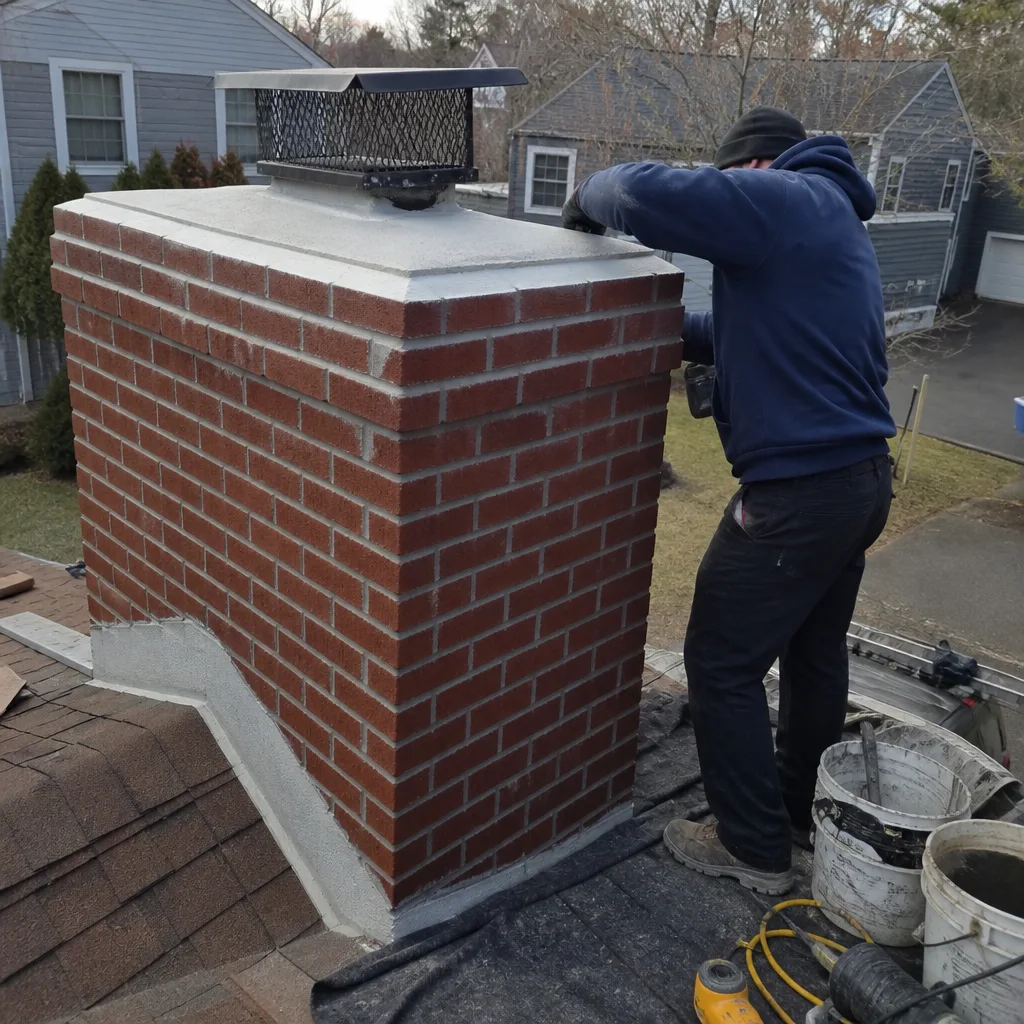
- Exterior assessment. The technician examines the chimney from ground level and roof, noting crown condition, cap integrity, flashing status, and visible masonry deterioration. In Fairfield’s tree-dense neighborhoods like Greenfield Hill, they should also note overhanging branches and leaf accumulation.
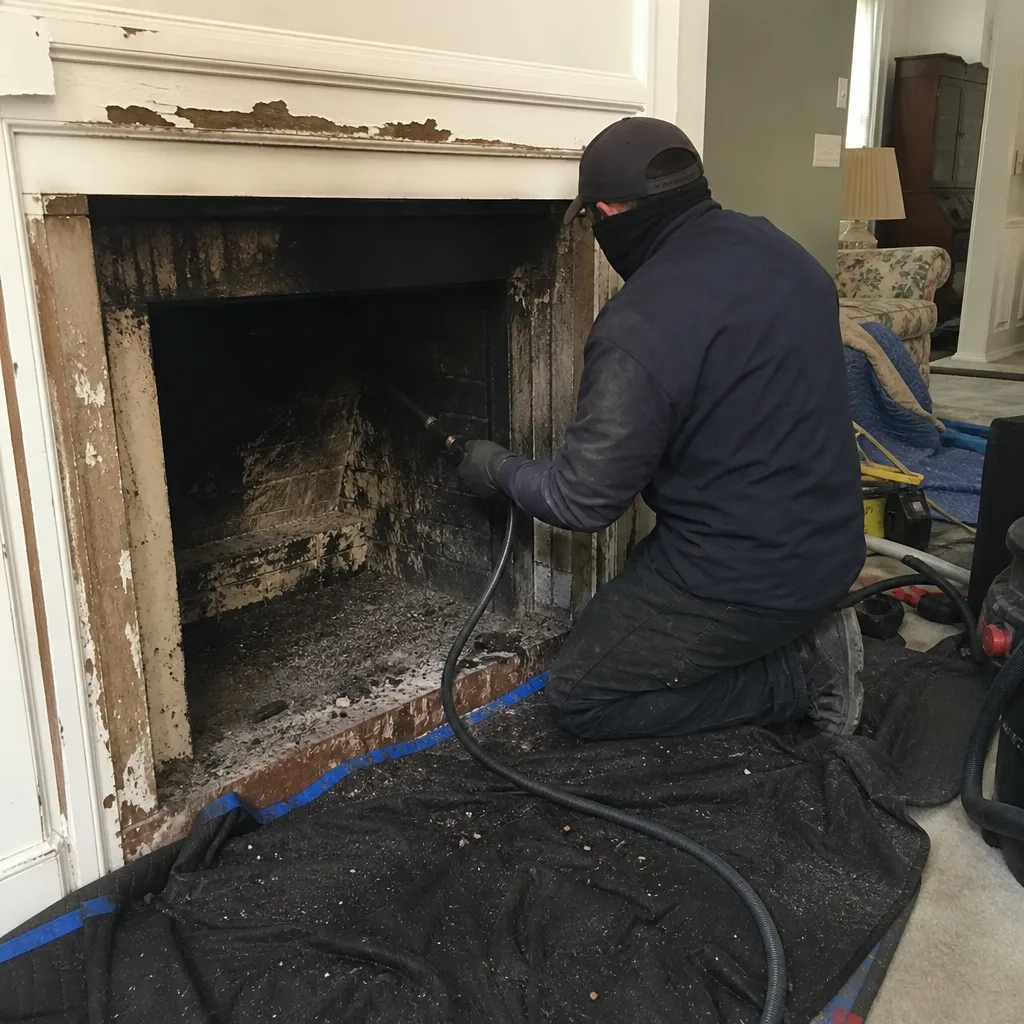
- Interior setup. Drop cloths protect flooring. A high-powered HEPA vacuum controls soot and fine particulate. The technician should ask about recent fires, any drafting problems, and changes in heating appliance use.
- Flue cleaning. Rotary or manual brushing removes creosote and soot deposits. The method varies by flue type: polypropylene brushes for metal liners, softer materials for clay tile to avoid scoring. The technician should explain their approach if asked.
- Smoke chamber and firebox cleaning. Often skipped in rushed jobs, this area collects falling debris and requires hand cleaning.
- Level-2 camera inspection. Video scanning of the entire flue length, with the technician narrating findings in real time if you wish to observe. Photos are captured of any defects.
- Component testing. Damper operation, smoke chamber access door, and any installed fans or caps are tested for function.
- Documentation and consultation. Findings are reviewed with you, photos shown, recommendations explained, and written report provided. No pressure for immediate decisions on recommended repairs.
Most jobs are completed in a single visit of 60-90 minutes for a standard fireplace chimney. Complicated systems, multiple flues, or significant creosote buildup extend this timeline. A technician who completes a “full service” in 20 minutes has skipped steps.
Common Mistakes to Avoid
- Hiring based on price alone. The lowest bid in Fairfield typically excludes camera inspection, omits photo documentation, and uses subcontracted labor. The true cost reveals itself later, often expensively.
- Accepting verbal reports. “Looks fine” without photos and written documentation leaves you with no recourse if problems emerge. Always demand the report.
- Ignoring the liner. Many homeowners focus on visible soot and miss the hidden flue condition. The liner is your primary fire protection; its inspection is non-negotiable.
- Neglecting to verify insurance. An uninsured contractor working on your roof is your financial liability. The five minutes to verify saves potential catastrophe.
- Scheduling only when problems appear. Chimney defects rarely announce themselves with visible symptoms until they are serious. Annual inspection catches deterioration in manageable stages.
- Assuming CSIA certification is sufficient. It is a valuable credential and a starting point, not a guarantee of thorough service, proper equipment, or ethical business practices.
- Falling for scare tactics. Legitimate hazards exist in chimney systems, but a contractor who pressures immediate decisions with catastrophic predictions, without showing you specific photographic evidence, is selling fear, not service.
When to Call a Professional
Certain conditions require prompt professional evaluation: visible cracks in the firebox or exterior masonry, smoke entering the room during fireplace use, a strong odor from the fireplace in warm weather, white efflorescence staining on exterior brick, or any chimney fire event, however minor. These are not DIY diagnostic situations.
Carbon monoxide risk from a compromised flue is real and unforgiving. A properly functioning chimney vents combustion gases outside; a damaged liner or blocked flue can redirect them into living spaces. The gas is odorless and colorless. If your CO detector activates, evacuate and call emergency services, then schedule a chimney inspection before resuming fireplace use.
Hearthstone Chimney Co. offers free estimates in Fairfield. We will show you what we find, explain what it means, and recommend only what the evidence supports. Call (475) 251-7537 to schedule. A live person answers, 24 hours a day, every day.
Frequently Asked Questions
A professional chimney cleaning and Level-2 inspection in Fairfield typically ranges from $250 to $450, depending on chimney type, accessibility, and creosote accumulation. The $89-$129 specials almost always exclude camera inspection and photo documentation. Our $89 Seasonal Tune-Up is a limited offering with defined scope; full diagnostic service requires appropriate investment. Call (475) 251-7537 for an exact quote - estimates are free.
Many liners can be repaired rather than replaced. Cracked clay tiles often qualify for HeatShield cerfractory sealant application, restoring a smooth, insulated flue surface at a fraction of replacement cost. Stainless steel relining with DuraFlex or Olympia Chimney systems addresses more extensive damage. We recommend replacement only when repair is impractical or unsafe, and we show you the camera evidence so you can see why. Call (475) 251-7537 for a second opinion on any liner replacement recommendation.
The National Fire Protection Association recommends annual inspection for all chimney systems, with cleaning frequency determined by use and fuel type. Wood-burning fireplaces in regular Fairfield use typically need annual sweeping. Gas systems may extend to biennial inspection if properly maintained. Coastal corrosion and our freeze-thaw climate make the annual inspection particularly important here - conditions change faster than in inland markets.
Skipped maintenance leads to three predictable outcomes: creosote accumulation increases fire risk, moisture intrusion degrades masonry and metal components, and hidden liner defects progress to hazardous conditions. In Fairfield’s climate, the timeline accelerates. A small crown crack becomes a major rebuild in three to five years of freeze-thaw cycling. A thin creosote layer becomes glazed, ignitable buildup. The cost of prevention is always lower than the cost of repair. Call (475) 251-7537 to schedule before burning season.
CSIA certification is a voluntary credential from the Chimney Safety Institute of America, earned by examination and maintained through continuing education. Connecticut does not require it, nor does the state license chimney sweeps specifically. We require CSIA certification for our technicians because it demonstrates baseline competency, but we supplement it with ongoing training, professional-grade equipment, and our own quality standards. Certification alone does not guarantee thorough service.
Basic brush cleaning from the firebox is possible for able homeowners with proper equipment, but it does not replace professional service. You cannot inspect the upper flue or liner without a camera system. You cannot assess smoke chamber condition or clearance compliance. And roof work carries obvious risks. For most Fairfield homeowners, particularly those in multi-story homes or with steep pitches, professional service is the safer, more thorough choice. We document everything so you know exactly what you have.
The Bottom Line
Hiring a chimney contractor in Fairfield is an exercise in verification, not price comparison. The absence of specific state licensing means your questions and documentation requirements matter more than any credential on a truck door. Demand camera inspection with photos. Insist on itemized, written estimates. Verify insurance directly. Check complaint history. Accept nothing verbal where written documentation is possible.
The contractors who meet these standards are not the cheapest. They are the ones who plan to be in Fairfield in thirty years, who answer their phones with live people, who back their work in writing with no arguing. That is the standard we have maintained for over 42 years. Done right - and we stand behind it.
Written by Russell Haines, Owner at Hearthstone Chimney Co., serving Fairfield since 2014.