
Last updated September 10, 2026
Level 1 sweep and inspection to the NFPA 211 annual standard - flue, crown, cap, and flashing checked and photographed
Chimney sweep logs do not sweep chimneys. They loosen some creosote - which then falls where a brush and vacuum still have to collect it.
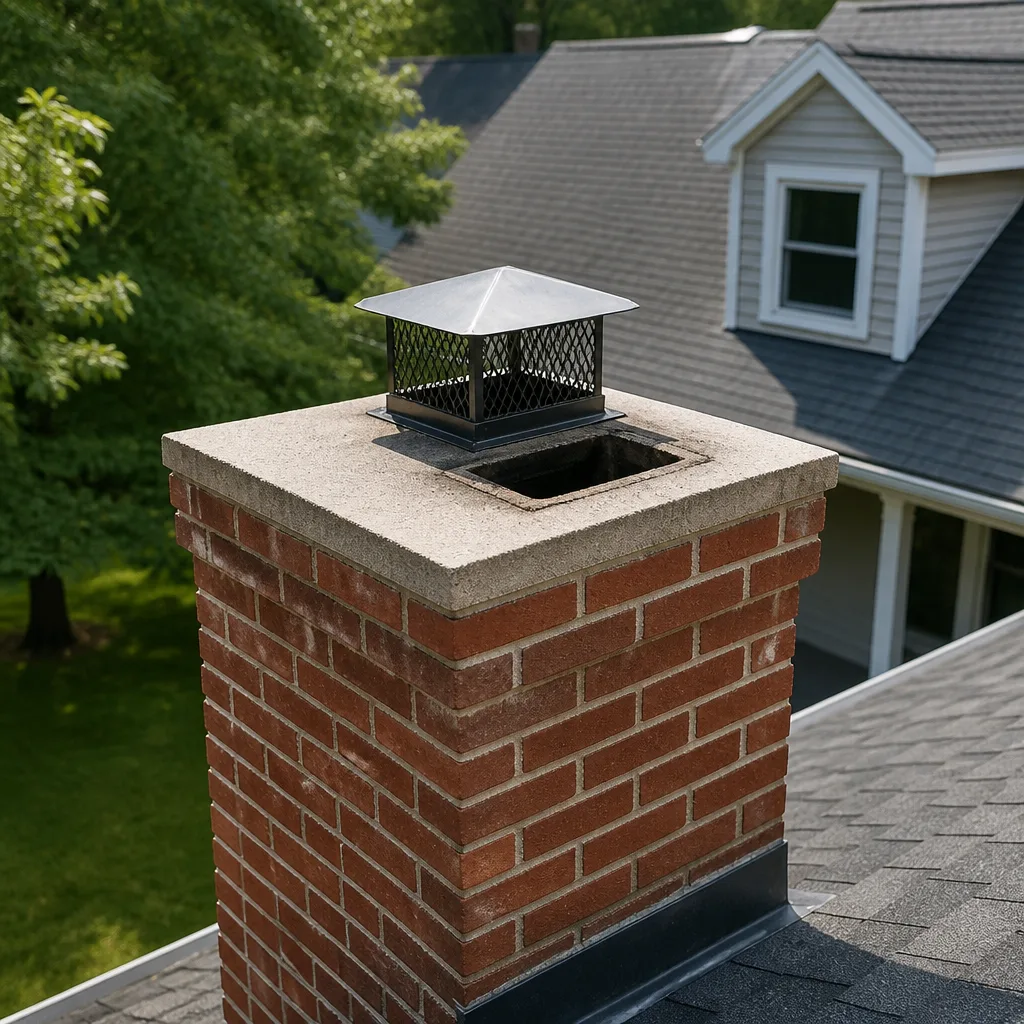
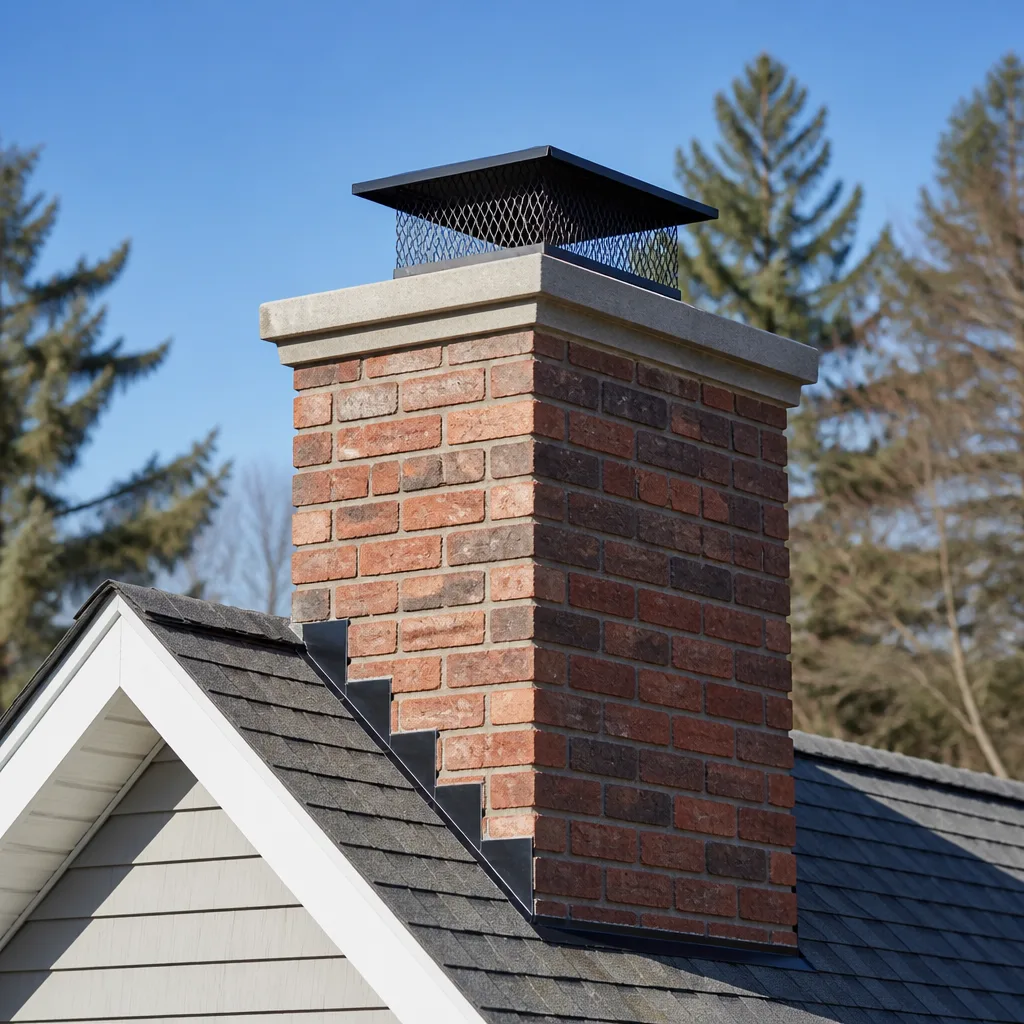
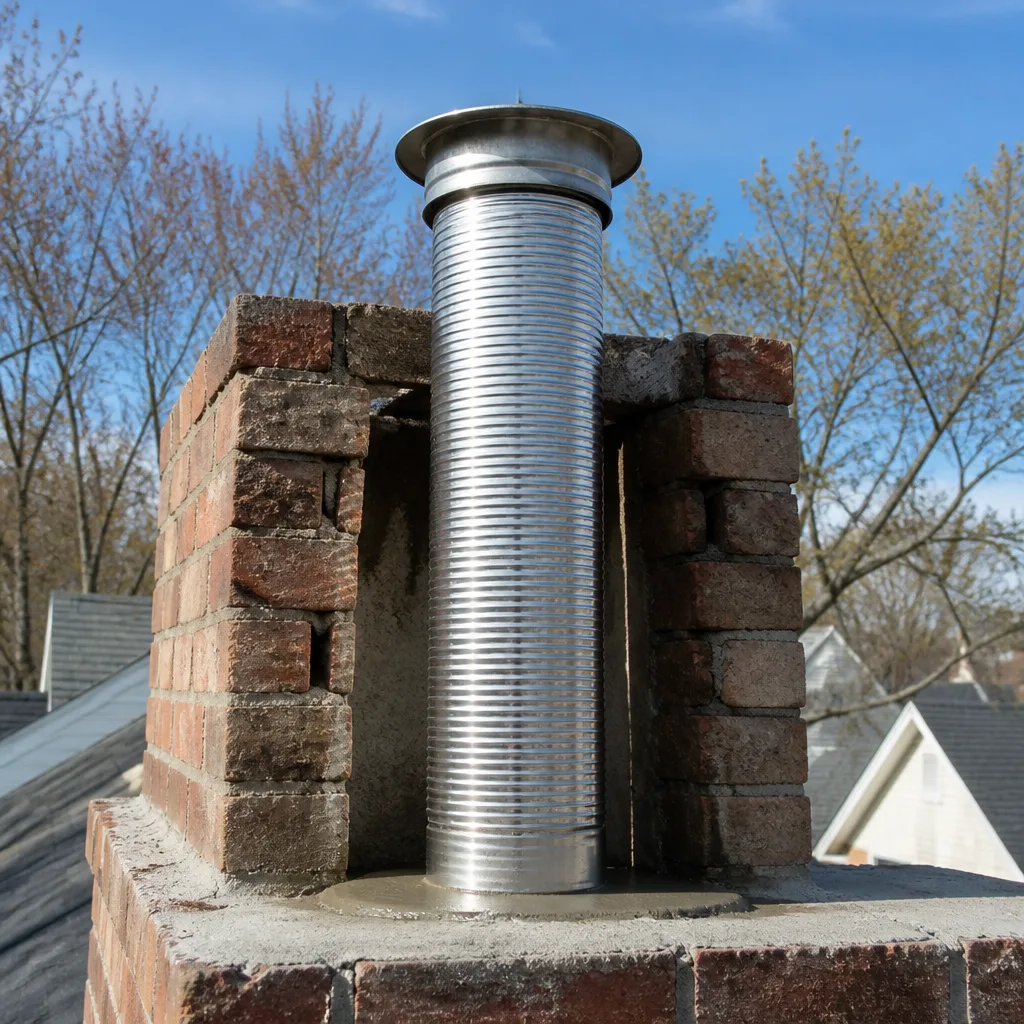
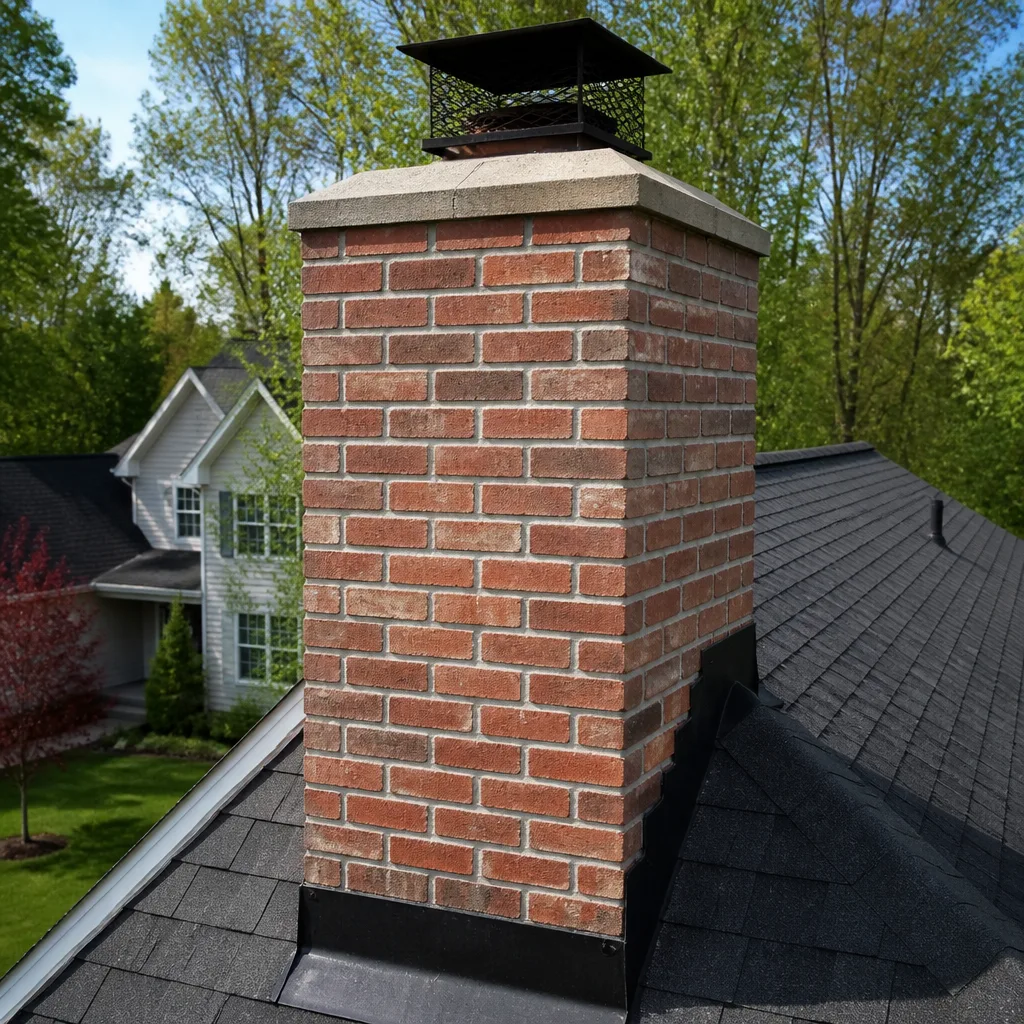
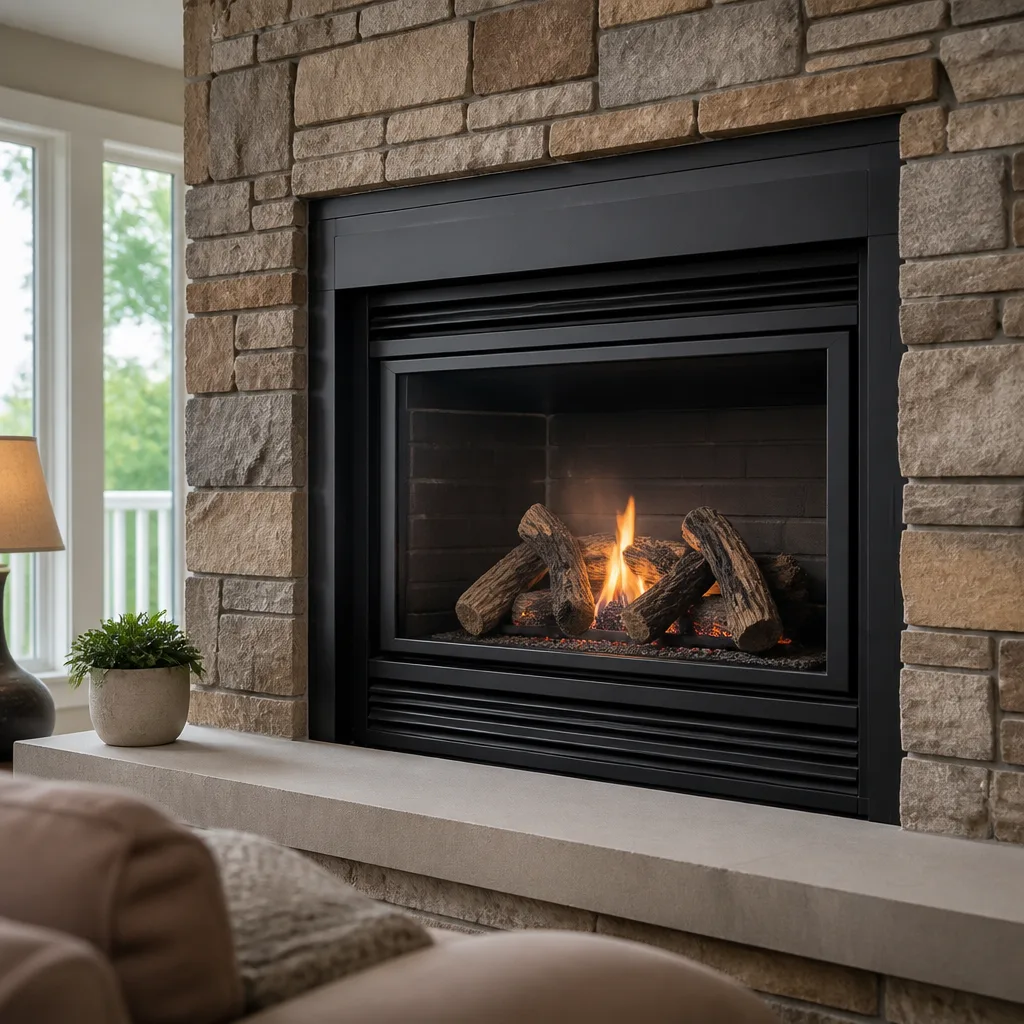
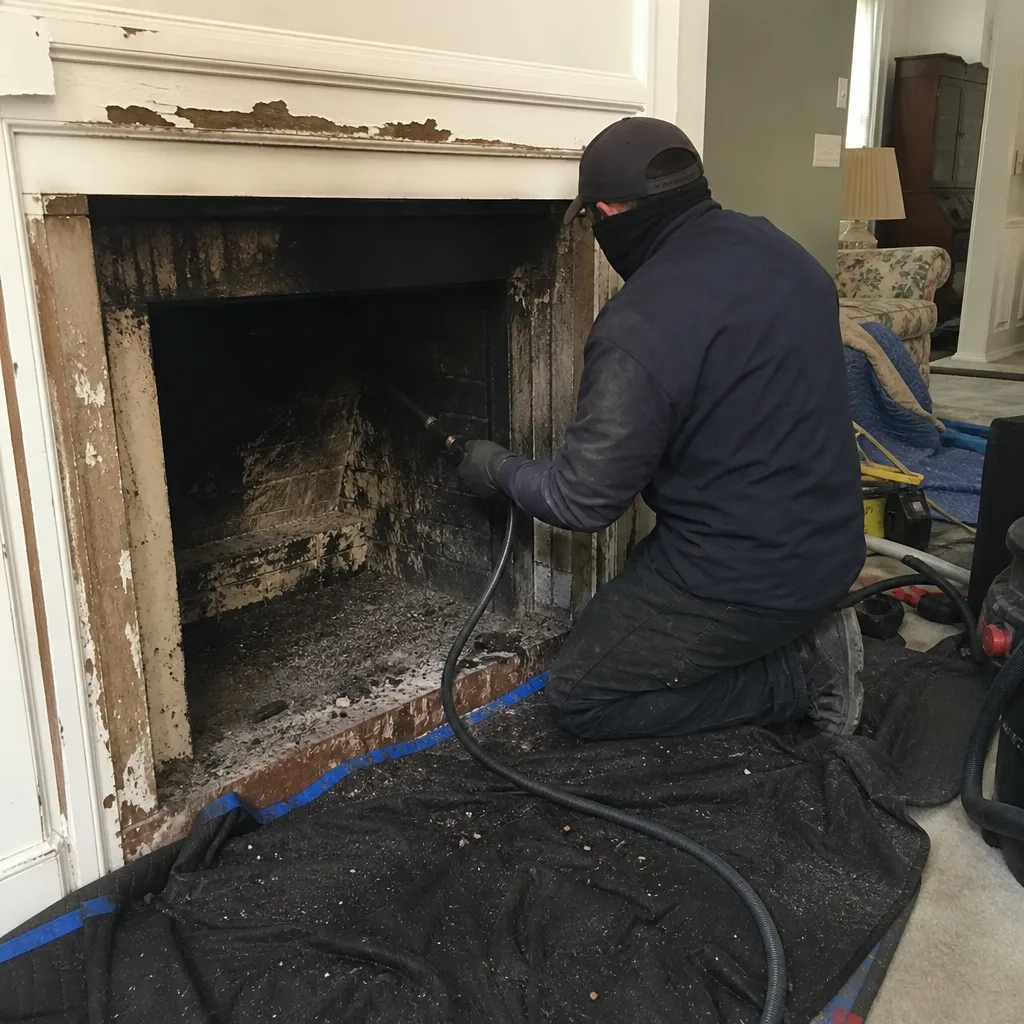 Before
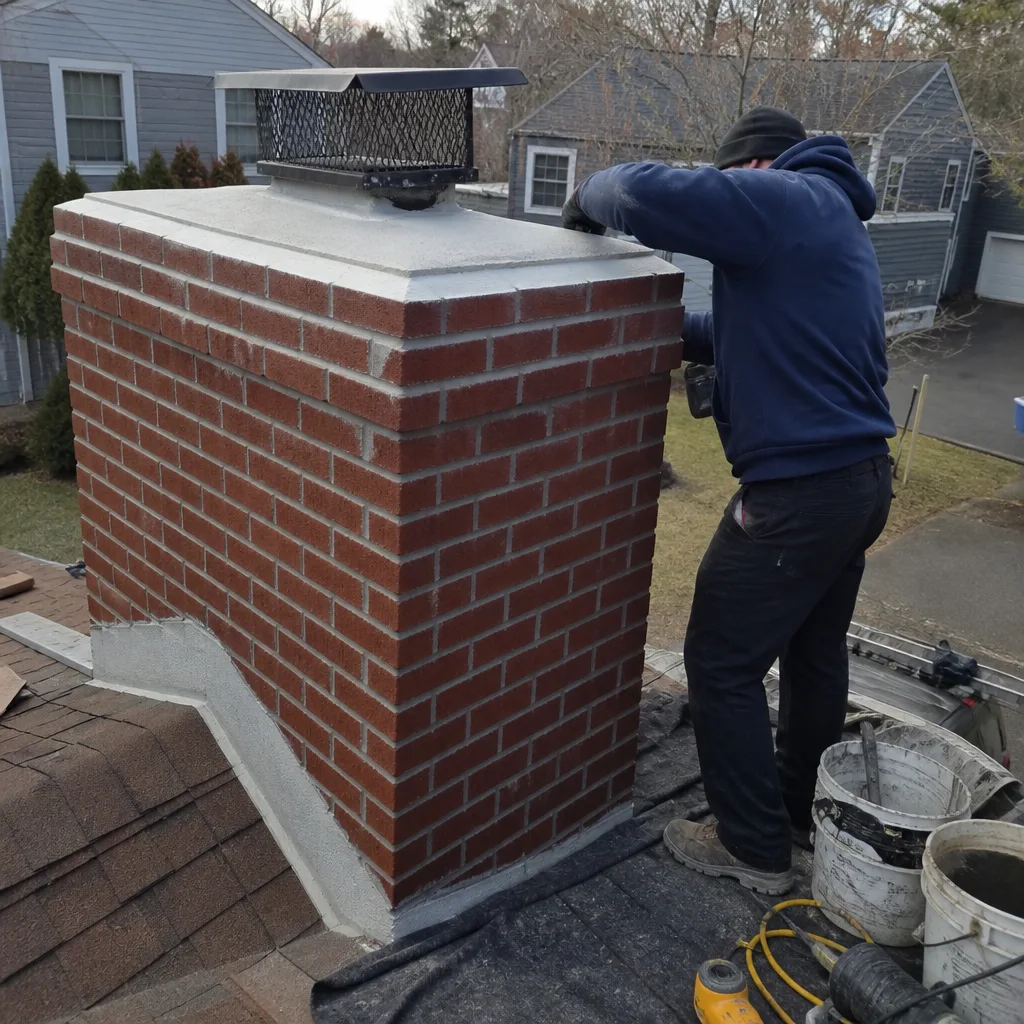 After
After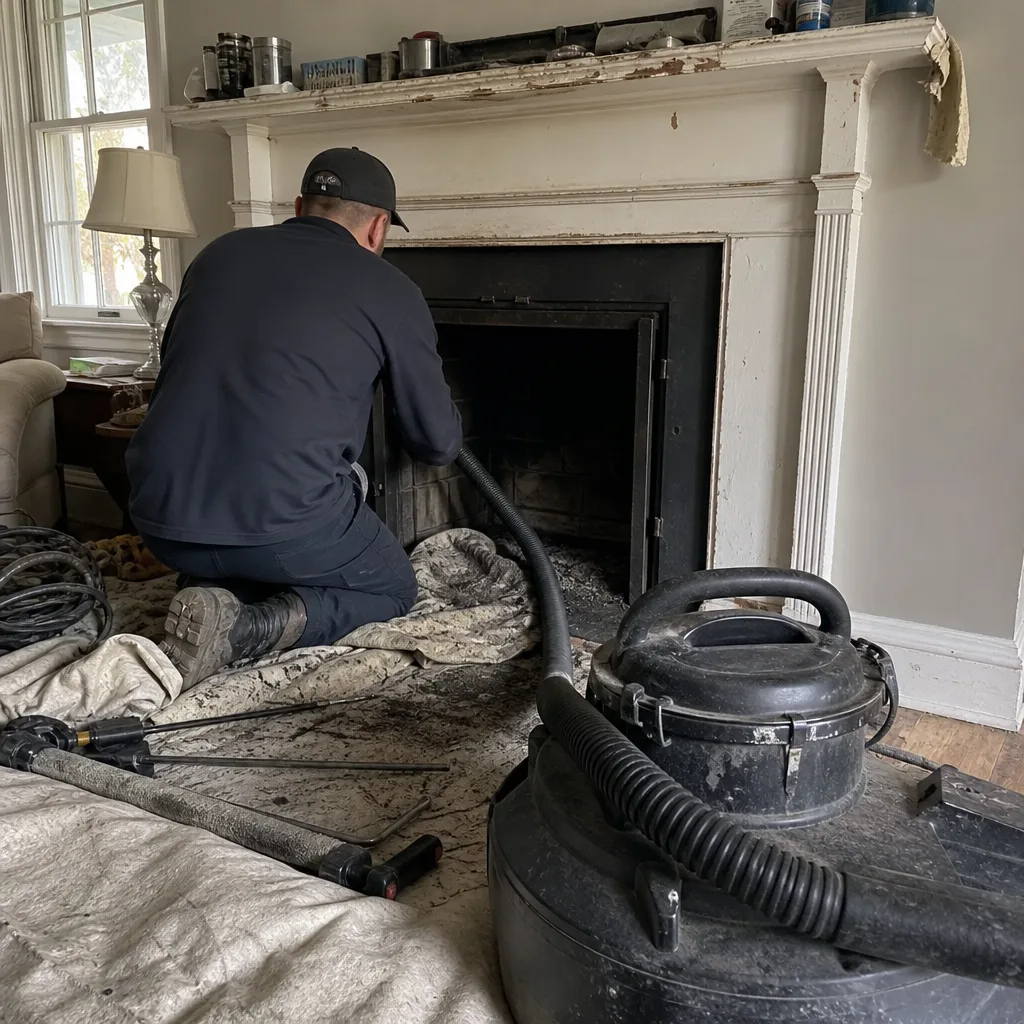 Before
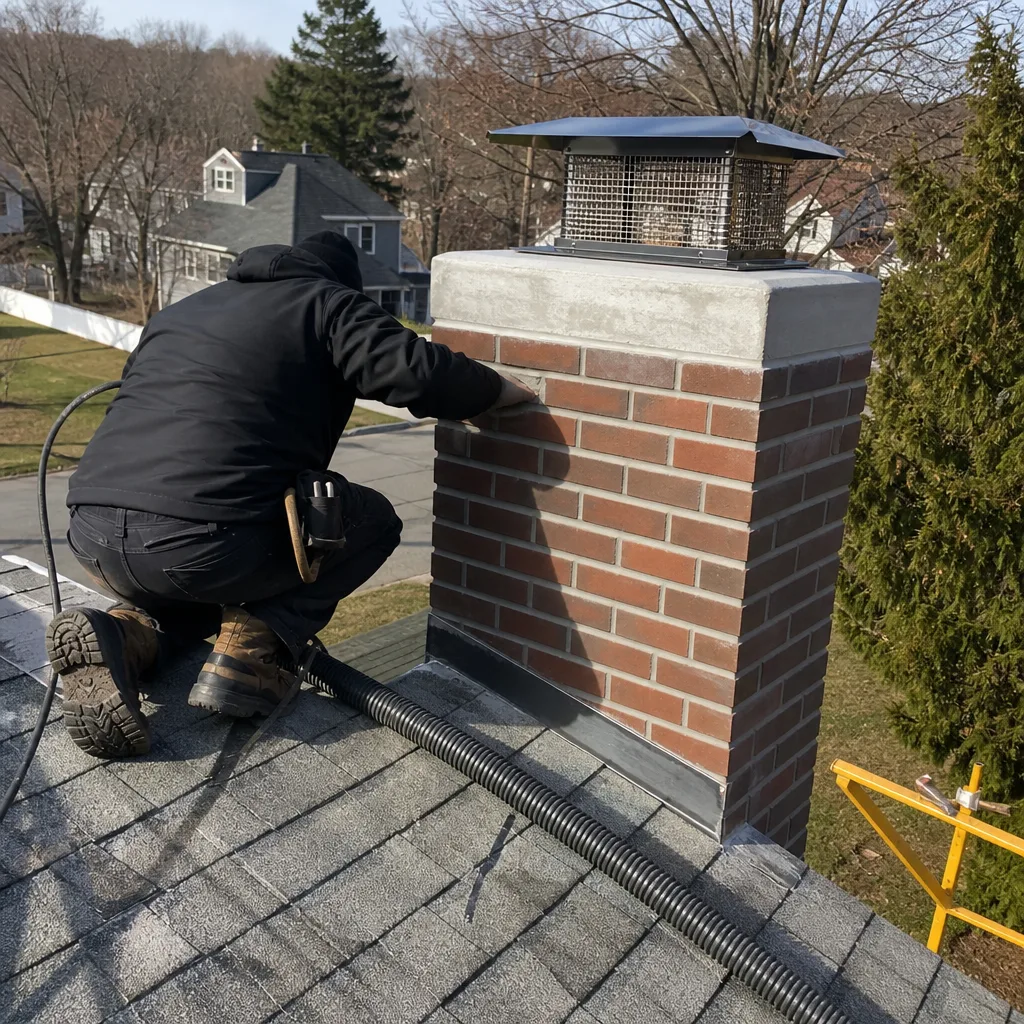 After
After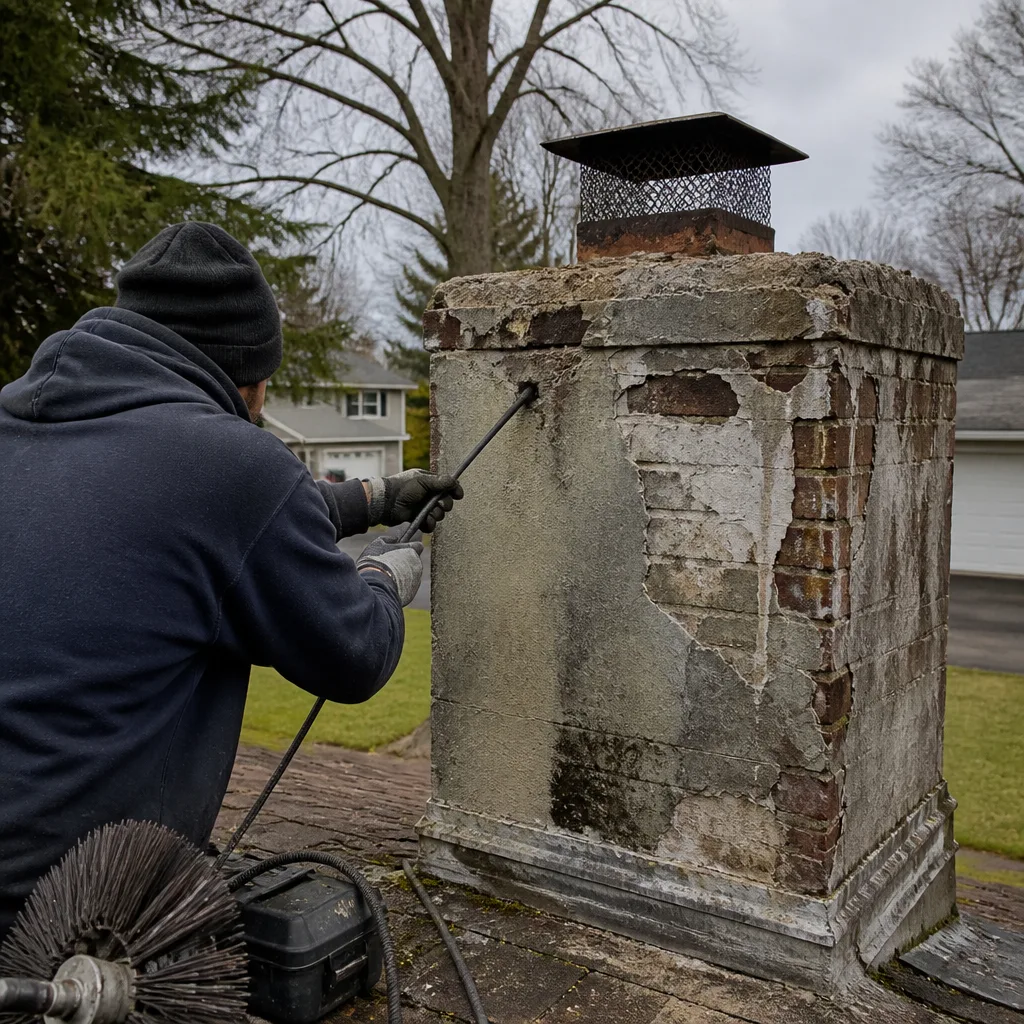 Before
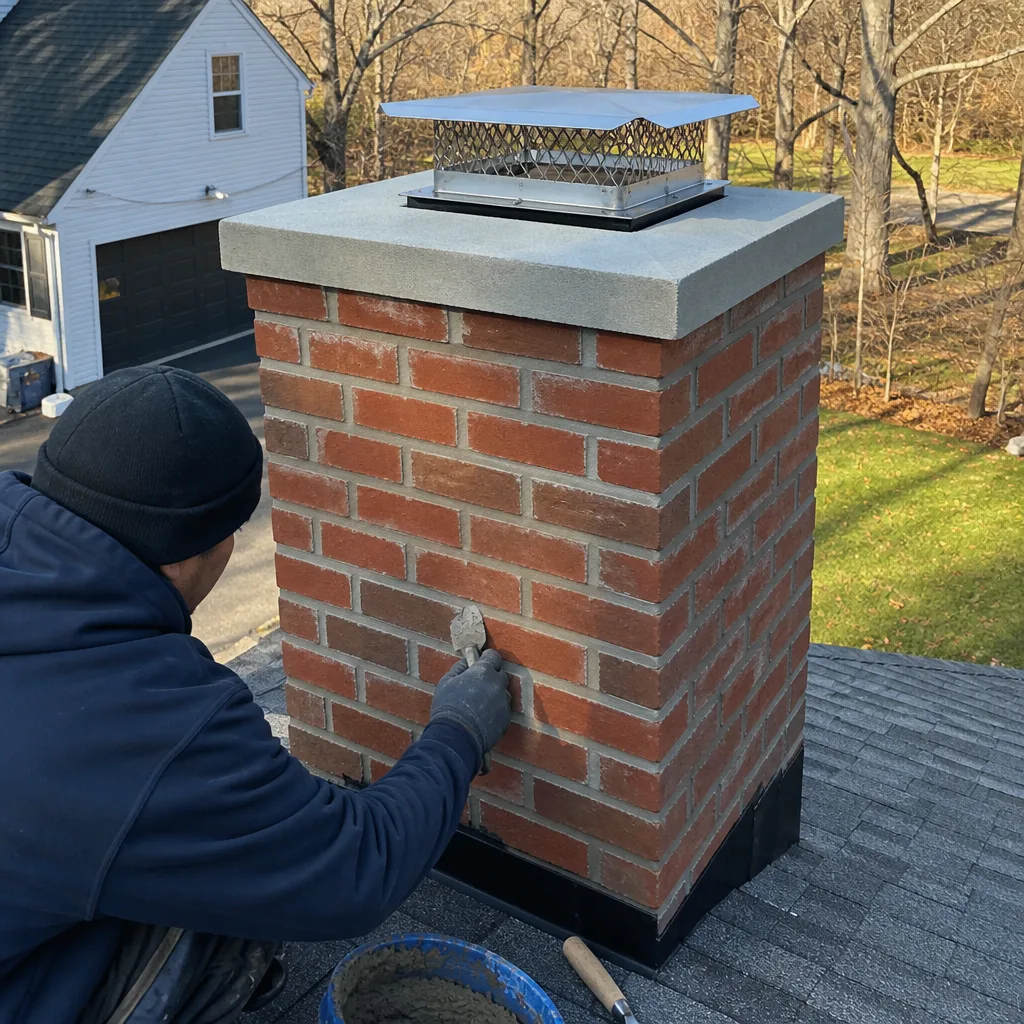 After
AfterSeasonal Chimney Cleaning Care for Fairfield: Year-Round Homeowner’s Guide
The conventional wisdom says clean your chimney before heating season. In Fairfield, that timing misses the summer moisture damage that’s been sitting in your liner and masonry since July. After 42 years of climbing ladders in this town, we’ve learned that Long Island Sound humidity does more quiet damage between Memorial Day and Labor Day than a full winter of fires. The homeowners who understand this schedule their care accordingly. This guide shows you what to do each season, why the order matters for Fairfield’s specific climate, and how to protect a chimney that may already be older than you realize. For more guides & resources, see our blog.
Quick Answer
Fairfield homeowners should treat chimney care as a four-season cycle: spring inspection for winter wear and moisture entry points, summer cap and seal work to block humidity and animals, fall sweeping and Level-2 camera inspection before first fire, and winter monitoring for performance changes. Annual sweeping is the minimum; biannual attention, spring and fall, extends chimney life significantly in coastal Connecticut.
Table of Contents
- Why Fairfield’s Climate Changes Everything
- Spring: The Inspection That Matters Most
- Summer: The Hidden Damage Season
- Fall: Preparing for First Fire
- Winter: Mid-Season Monitoring
- What a Level-2 Camera Inspection Reveals
- Common Mistakes to Avoid
- When to Call a Professional
- Frequently Asked Questions
- The Bottom Line
Why Fairfield’s Climate Changes Everything
Fairfield sits at a geographic intersection that most chimney guides ignore. We’re coastal enough to catch salt-laden humidity off Long Island Sound, far enough north to freeze hard in January, and built on a mix of 1920s masonry, post-war brick, and newer factory-built systems that each age differently. A generic “clean before winter” approach assumes all chimneys face the same stresses. They don’t.
The damage pattern we document every September tells the story. Homeowners call after their first fall fire smells wrong, or smoke backs up, or they notice new staining on the exterior brick. The root cause almost always started in June, not November. Warm, humid air enters the flue through a cracked crown, missing cap, or failed seal. It condenses on the cooler interior surfaces. By August, that moisture has degraded mortar joints, started corrosion on metal components, and in some cases begun separating a clay tile liner from its surrounding masonry.
Winter fires then accelerate what summer started. Creosote builds more readily on damp, irregular surfaces. Cracks that were hairline in July open wider with thermal cycling. The chimney that “was fine last season” becomes the one that needs a liner replacement or partial rebuild by March.
Our chimney cleaning and sweep in Fairfield accounts for this cycle. We don’t just remove deposits. We trace moisture paths, document crown condition, and give you a plain-English verdict on whether your system is ready for the season ahead.
Key factors specific to Fairfield chimneys:
- Salt air accelerates metal component corrosion, especially on caps and chase covers in Southport and Black Rock waterfront properties
- Freeze-thaw cycles in January and February exploit any moisture intrusion from summer humidity
- Older homes in Stratfield and Tunxis Hill often have unlined brick chimneys or early clay liners now past 50 years
- Newer construction in Greenfield Hill may have factory-built metal chimneys with gaskets and seals that degrade faster in coastal UV exposure
Spring: The Inspection That Matters Most
Industry marketing pushes fall inspections. We push spring. Here’s why.
After your last fire of winter, the chimney contains a complete record of how the system performed under load. Creosote deposits show burn efficiency. Crack patterns reveal thermal stress. Any moisture that entered during winter is still present, not yet baked out by summer heat. A spring inspection captures this evidence before it degrades or gets cleaned away.
What a spring inspection should specifically check in Fairfield:
- Deposit analysis. We measure creosote thickness and type. Glazed creosote indicates slow, smoldering fires, often from burning unseasoned wood or closing dampers too early. Puffy, flaky deposits suggest rapid, hot burns that may overstress older liners. The pattern tells us how you actually use your fireplace, not how you think you do.
- Moisture mapping. We check for white efflorescence on exterior brick, rust stains on metal components, and damp odors in the firebox. These are early warnings of crown cracks, failed flashing, or liner gaps that let combustion gases condense in the masonry.
- Animal entry assessment. March and April are prime nesting season. Squirrels, raccoons, and chimney swifts are active in Fairfield’s mature tree canopy. A cap inspection now prevents a blocked flue or damaged liner later.
- Component inventory. We document damper condition, firebrick integrity, and seal status on factory-built units. This becomes the baseline for fall comparison.
Spring is also when we can schedule work without the fall rush. Crown sealing, cap replacement, and minor masonry repair completed in April or May have all summer to cure properly. Materials like HeatShield cerfractory foam and DuraFlex stainless liners installed in moderate temperatures achieve better bond strength than work rushed through in October’s cold snaps.
Our chimney repair in Fairfield team books spring inspections starting in March. The appointment includes a Level-2 camera inspection with photos you receive and keep, plus a written condition report. If we find issues, we explain what can wait, what shouldn’t, and why. No surprises on the bill. The estimate number matches the invoice number.
Summer: The Hidden Damage Season
Between Memorial Day and Labor Day, your chimney faces conditions that most homeowners never consider. The flue, no longer warmed by regular fires, becomes a cool column in hot, humid air. Long Island Sound’s moisture-laden breezes create a pressure differential that draws humid air down the flue. Every crack, every failed seal, every missing mortar joint becomes an entry point.
We’ve documented this pattern across Fairfield neighborhoods. In Reef Road and Southport waterfront homes, we’ve found chase covers rusted through in three summers from salt-air corrosion. In the Stratfield historic district, 1930s brick chimneys show accelerated spalling, brick faces flaking off from internal moisture expansion. Even well-maintained systems in Greenfield Hill develop gasket fatigue on factory-built units from summer UV exposure on south-facing chase enclosures.
Summer tasks that protect your investment:
- Cap and crown integrity. A properly fitted cap with mesh sides blocks rain and animals while allowing ventilation. We install caps from Famco and Olympia Chimney with stainless steel construction rated for coastal environments. The crown, the concrete slope that seals the chimney top, should shed water with no cracks wider than a credit card edge. We seal minor cracks with CrownSeal or rebuild deteriorated crowns with proper overhang and drip edge.
- Flashing and seal inspection. The metal joint where chimney meets roof is a common leak point. Summer is ideal for repair; roofing materials are pliable, sealants cure properly, and there’s no rush before a predicted storm.
- Animal exclusion. We inspect and reinforce cap mesh, check for gaps in chase enclosures, and note any signs of prior nesting. A squirrel can compress its body to fit through a gap the size of a quarter. We find quarters.
- Moisture barrier verification. For unlined or partially lined chimneys, we assess whether a stainless steel liner from DuraFlex or a HeatShield cerfractory seal is warranted before another humid season begins.
Summer is also when we complete major projects without disrupting heating season. Liner replacements, partial rebuilds, and crown reconstructions scheduled June through August mean your system is tested and ready when you need it. Our background-checked, uniformed technicians complete most jobs in a single visit. The 90-Day Done Right Promise covers everything in writing. If it’s not right, we make it right. No arguing.
Fall: Preparing for First Fire
Fall sweeping is necessary. In Fairfield, it must also be informed. The chimney you’re cleaning has spent the summer absorbing whatever humidity, salt air, and temperature cycles the coast delivered. A fall checklist that only addresses creosote from last winter misses half the story.
Our pre-season protocol:
- Level-2 camera inspection. Before any sweeping, we run a camera the full flue length. We document liner condition, joint status, and any moisture damage or animal activity from summer. You see the photos. We explain what they mean in plain English. Nothing is recommended without evidence you can verify yourself.
- Sweeping with deposit analysis. We remove creosote and debris using professional-grade brushes and vacuum systems. The amount and type of deposit confirms or adjusts our understanding of your burning habits. We note any unusual odors that might indicate hidden moisture or organic matter.
- Functional testing. Damper operation, smoke shelf condition, and draft performance are verified under controlled conditions. In Fairfield’s older homes, draft issues often trace to house depressurization from modern HVAC systems, not chimney defects. We identify the real cause.
- Exterior verification. We confirm cap security, crown condition, and flashing integrity after summer’s weather. Any summer repairs are inspected for proper cure and performance.
- Written clearance. You receive a documented statement of chimney condition, any limitations on use, and recommendations with priority rankings. Urgent safety issues are flagged. Deferred maintenance is noted with timelines.
The $89 Seasonal Tune-Up covers this protocol for standard systems. More complex setups, or those with documented prior issues, may need additional scope. We explain before we proceed. No surprises on the bill.
Timing matters. In Fairfield, we recommend scheduling before Columbus Day. The first cold snap triggers a rush, and appointments compress. More importantly, if inspection reveals needed repairs, there’s time to complete them before consistent heating demand. A chimney swept in November with a cracked liner discovered during sweeping may face weeks of delay for parts and scheduling, right when you need heat.
Our fireplace services in Fairfield include gas log set inspection, insert servicing, and damper adjustment for homeowners converting between fuel types. Each fuel has specific venting requirements that a general sweep may not address.
Winter: Mid-Season Monitoring
Once heating season begins, your role shifts from scheduling to observing. Professional cleaning is complete. The system is cleared for use. But chimneys are dynamic structures, and winter conditions in Fairfield test them continuously.
Safe observations you can make from inside your home:
- Smoke behavior. Smoke that lazes in the firebox or enters the room indicates draft failure. This can be weather-related, a blocked flue from wind-driven debris, or a sign of partial obstruction. Don’t continue burning. Call for inspection.
- Odor changes. A sharp, acrid smell different from normal wood smoke suggests creosote ignition or animal matter burning. A musty odor indicates moisture intrusion, possibly from ice dam backup at the chimney base.
- Performance decline. Fires that previously drew well and now struggle suggest partial blockage, liner damage, or house pressure changes from new exhaust fans or weather sealing.
- Exterior staining. New white efflorescence, dark streaking, or ice buildup at the chimney base after thaw cycles signals water entry that needs spring attention.
What you should not do: climb the roof in winter, attempt to clear suspected blockages yourself, or burn accelerants to “clear” a sluggish flue. These are how injuries happen and how minor problems become insurance claims.
Our phones are staffed by a live person 24 hours a day, 7 days a week. Not voicemail, not a callback queue. If you observe something that doesn’t seem right, call (475) 251-7537. We’ll triage over the phone and dispatch if needed. Most winter calls are resolved with guidance; the ones that aren’t, we’re there when we say we’ll be.
One specific Fairfield winter note: the freeze-thaw cycle of late January through February is hard on masonry. Water that entered in summer, trapped behind deteriorated mortar, expands when frozen. We’ve seen spalling accelerate dramatically in single cold snaps. This damage is visible from the ground by March. Document it then, and schedule repair before the next humid summer begins the cycle again.
What a Level-2 Camera Inspection Reveals
A Level-2 inspection is not a luxury add-on. It’s the standard of care for any chimney with prior known issues, any system that’s changed fuel type or appliance, and any property transaction. In Fairfield’s housing market, where 1920s colonials and 1950s capes change hands regularly, it’s often the first time a new owner sees what they actually bought.
The camera reveals what visual inspection cannot:
- Hidden liner gaps and tile displacement, common in chimneys that vented oil systems before conversion to gas or wood
- Creosote buildup behind smoke shelves, in flue offsets, and at tile joints where brushes don’t fully contact
- Mortar deterioration between flue tiles, allowing combustion gases to enter chimney walls
- Evidence of prior chimney fires, glazed or puffed creosote, and heat damage to surrounding masonry
- Animal nests, carcasses, and debris accumulation in inaccessible sections
We document everything with photos. You receive them. The verdict is plain English, not technical jargon designed to sell. If a liner is sound for another five years, we say so. If it’s compromised now, we show you exactly where and explain the risk.
Our materials come from industry-trusted brands: DuraFlex for stainless steel relining, HeatShield for cerfractory seal and restoration, Gelco for specialized components, Olympia Chimney and Famco for caps and accessories, Copperfield for professional-grade tools and supplies. No builder-grade substitutes. A craftsman is only as good as what he installs.
The 90-Day Done Right Promise governs every inspection and repair. Krafted right, Every time, Your home first, Standing behind it. In writing. If we miss something, we own it. That’s how a company that’s been in Fairfield for over 42 years plans to be here for thirty more.
Common Mistakes to Avoid
- Waiting for fall to think about your chimney. By October, summer moisture damage is months old, fall scheduling is compressed, and repairs may not complete before first freeze. Fairfield’s coastal humidity doesn’t pause for your convenience.
- Hiring based on coupon price alone. A $79 sweep that doesn’t include camera inspection, doesn’t document condition, and doesn’t explain findings leaves you with a clean flue and hidden damage. We’ve been called to repair chimneys that were “swept” last season by operators who never looked up.
- Ignoring factory-built chimney maintenance. Metal factory-built systems have gaskets, seals, and listed clearances that degrade. They’re not maintenance-free. In Fairfield’s UV and salt-air environment, chase cover rust and gasket failure are common at 15-20 years.
- Burning unseasoned wood. Wood with moisture content above 20% creates glazed creosote that standard sweeping won’t fully remove. Fairfield doesn’t have a local kiln-dried market; plan your wood supply a year ahead, or buy from verified seasoned suppliers.
- Assuming no smell means no problem. Carbon monoxide is odorless. A partially blocked flue or cracked liner can vent combustion gases into your home without any detectable warning. Annual inspection with combustion appliance testing is the only verification.
- DIY cap or crown repair with hardware store products. Crown coatings and sealants rated for chimney use withstand 1200°F and thermal cycling. Standard concrete patch and caulk fail within a season, often trapping more moisture than they exclude.
- Neglecting the exterior after interior work. A new liner protects the flue but doesn’t stop water entry at the crown or flashing. Complete protection requires both.
When to Call a Professional
Call when you observe any change in performance, smell, or appearance. Call before buying a home with a fireplace you haven’t personally inspected. Call if your last inspection was more than 12 months ago, or if you’ve changed fuel type, appliance, or usage pattern.
Specific scenarios that warrant immediate professional attention: smoke entering living space during normal operation, visible flame or sparking from chimney top, sudden draft reversal after weather events, animal sounds or odors from the flue, or structural damage from vehicle impact or fallen limbs.
Hearthstone Chimney Co. offers free estimates in Fairfield. Call (475) 251-7537. A live person answers, every hour of every day. We’ll schedule at your convenience, arrive when we commit, and leave you with photos, a written report, and a clear understanding of your chimney’s condition. Done right, and we stand behind it.
Frequently Asked Questions
A standard chimney sweep and Level-2 camera inspection in Fairfield typically ranges from $250 to $450 for most single-flue residential systems. For detailed pricing factors, see our Chimney Cleaning Cost Breakdown: The Fairfield Homeowner’s Reference for 2026. Factory-built units, multiple flues, or systems requiring specialized access equipment may run higher. The $89 Seasonal Tune-Up covers basic inspection and maintenance for qualifying standard systems during promotional periods. Call (475) 251-7537 for an exact quote. Estimates are free.
The National Fire Protection Association recommends annual inspection for all chimneys, and sweeping when deposits exceed 1/8 inch. For regulatory context, see Chimney Cleaning Permits, Codes & Inspections in CT: What You Need to Know. In Fairfield’s coastal climate, we advise annual sweeping for wood-burning systems used regularly, and biannual attention, spring and fall, for heavily used fireplaces or older masonry. Gas systems need annual inspection but typically less frequent sweeping. Call (475) 251-7537 to discuss your specific usage pattern.
You need a new liner when the existing one is compromised in a way that creates safety risk, and when repair is not technically or economically viable. We don’t recommend replacement without camera evidence you can see. Common indicators in Fairfield: cracked or missing clay tiles, gaps at tile joints allowing gas migration, corrosion holes in metal liners, or unlined brick chimneys venting modern appliances. A liner protects your masonry and contains combustion. When it fails, both are at risk. Call (475) 251-7537 for a free second opinion on any written estimate recommending replacement.
Skipped maintenance leads to three predictable outcomes: creosote accumulation increases chimney fire risk, moisture intrusion degrades masonry and metal components, and undetected liner damage allows combustion gases into living spaces. In Fairfield’s humid coastal environment, the timeline compresses. A chimney that might last five years between services in a dry climate needs annual attention here. The cost of prevention is always less than the cost of rebuilding after failure.
Homeowners can perform basic firebox cleaning and ash removal. Professional sweeping requires proper brushes, vacuum equipment, and camera inspection capability that most homeowners don’t maintain. More critically, without camera verification, you cannot confirm flue condition or identify hidden damage. For Fairfield’s mix of historic and modern systems, professional assessment provides documentation and expertise that DIY cannot replicate. The safety risks of incomplete cleaning or missed damage exceed any savings.
Summer chimney odors in Fairfield typically indicate moisture intrusion, animal activity, or creosote deposits reacting with humid air. Long Island Sound humidity enters through cap gaps, crown cracks, or failed seals, then activates organic deposits in the flue. The smell is often musty, sharp, or sulfurous depending on cause. A spring inspection and cap verification prevents most summer odor issues. If you’re smelling it now, the entry point exists and needs sealing before next season compounds the damage.
The Bottom Line
Fairfield’s chimney care is not a fall errand. It’s a year-round discipline shaped by coastal humidity, freeze-thaw cycles, and the specific aging patterns of local housing stock. Spring inspection captures winter’s full story. Summer sealing blocks the moisture that weakens masonry. Fall sweeping prepares a system that’s been protected, not neglected. Winter observation catches problems before they escalate.
The homeowners who get this right, who treat their chimney as infrastructure rather than decoration, avoid the emergency calls and major repairs that define neglected systems. They’ve also learned which contractors document their work, stand behind it in writing, and plan to be around when follow-up matters.
At Hearthstone Chimney Co. home, we’ve built our practice on that understanding. Photos you can see. A plain-English verdict. The 90-Day Done Right Promise, in writing, no arguing. And a live person on the phone whenever you call.
Call (475) 251-7537 for a free estimate in Fairfield. We’ll be there when we say.
Written by Russell Haines, Owner at Hearthstone Chimney Co., serving Fairfield since 2014.