
Last updated September 10, 2026
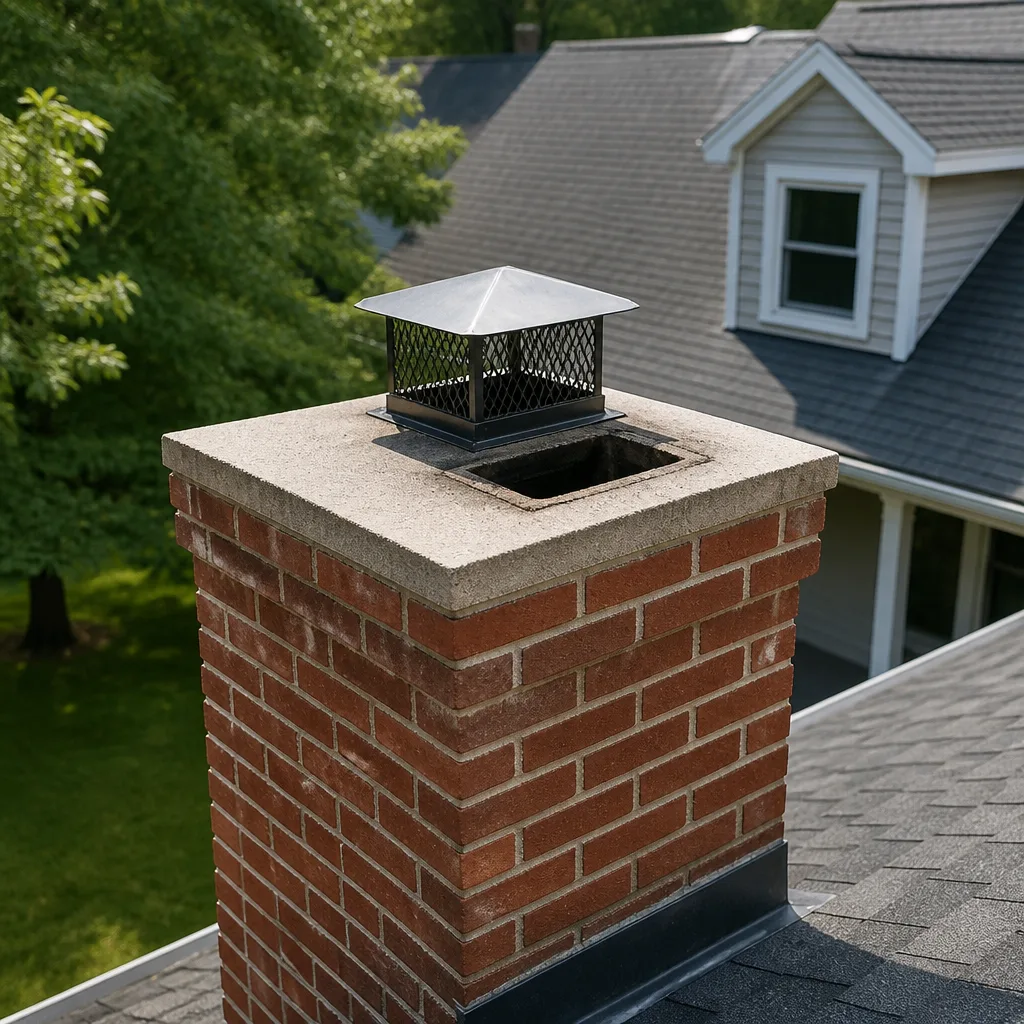
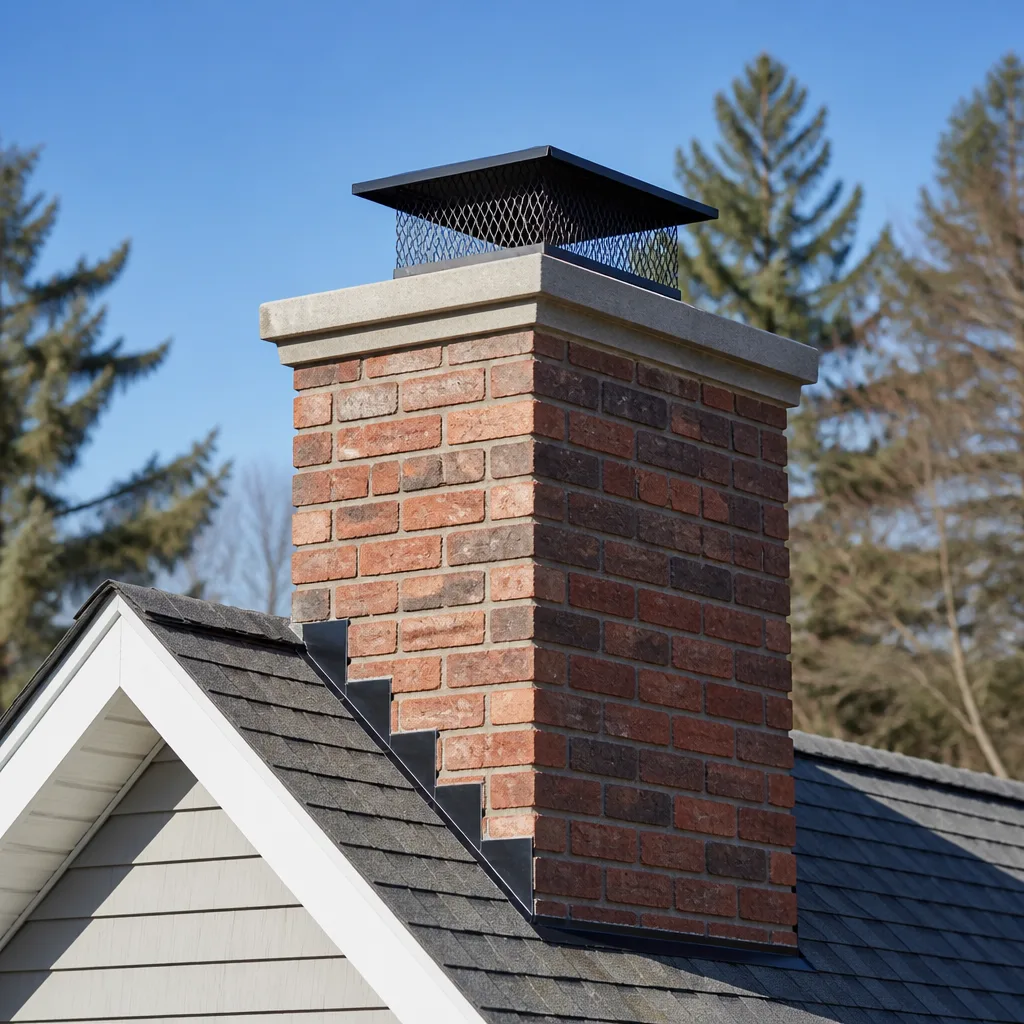
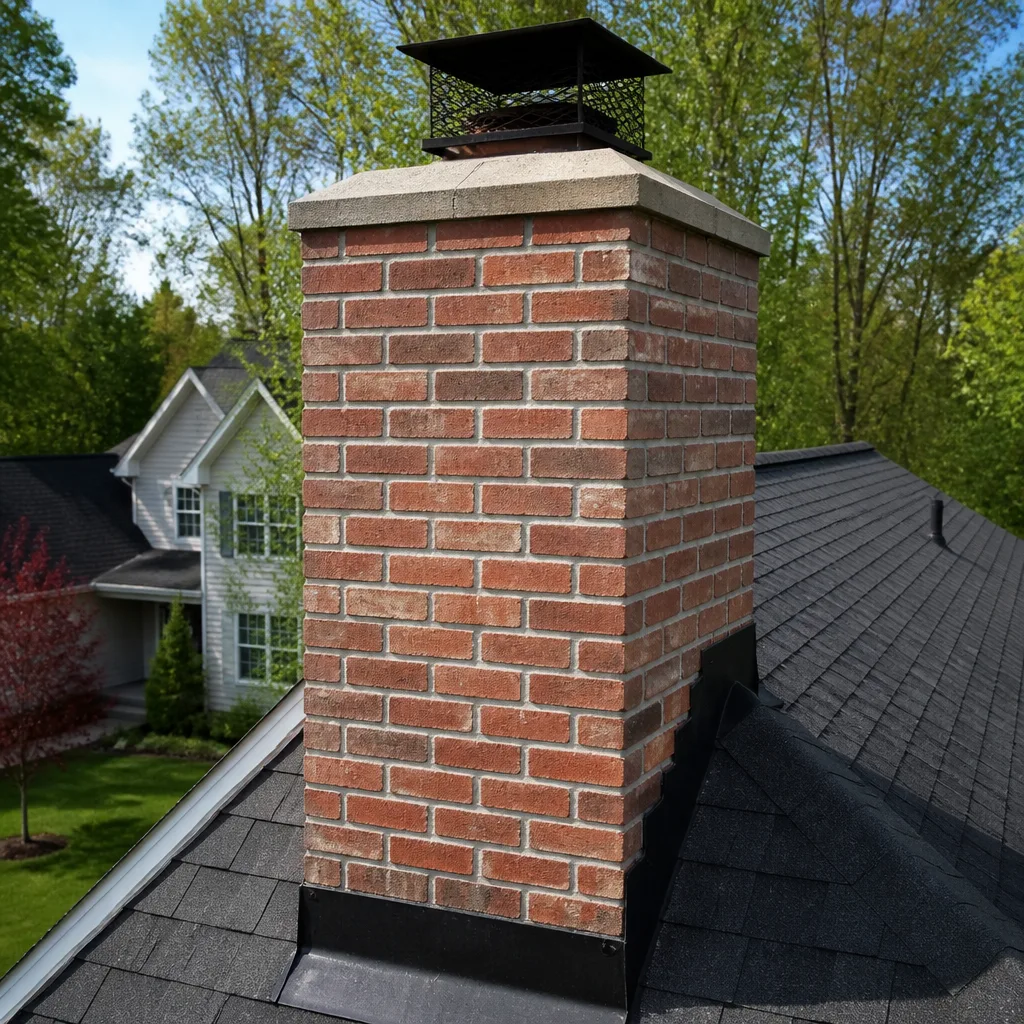
Level 1 sweep and inspection to the NFPA 211 annual standard - flue, crown, cap, and flashing checked and photographed
Chimney sweep logs do not sweep chimneys. They loosen some creosote - which then falls where a brush and vacuum still have to collect it.
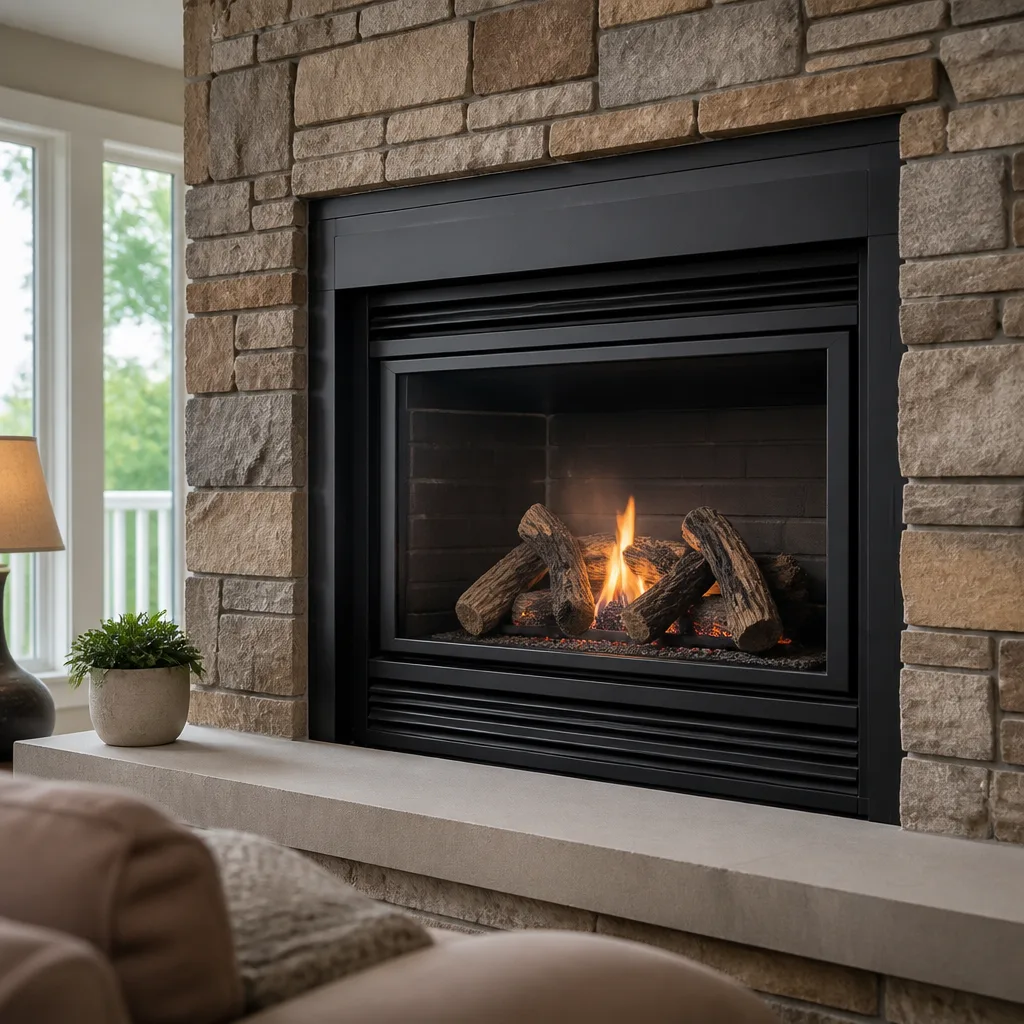
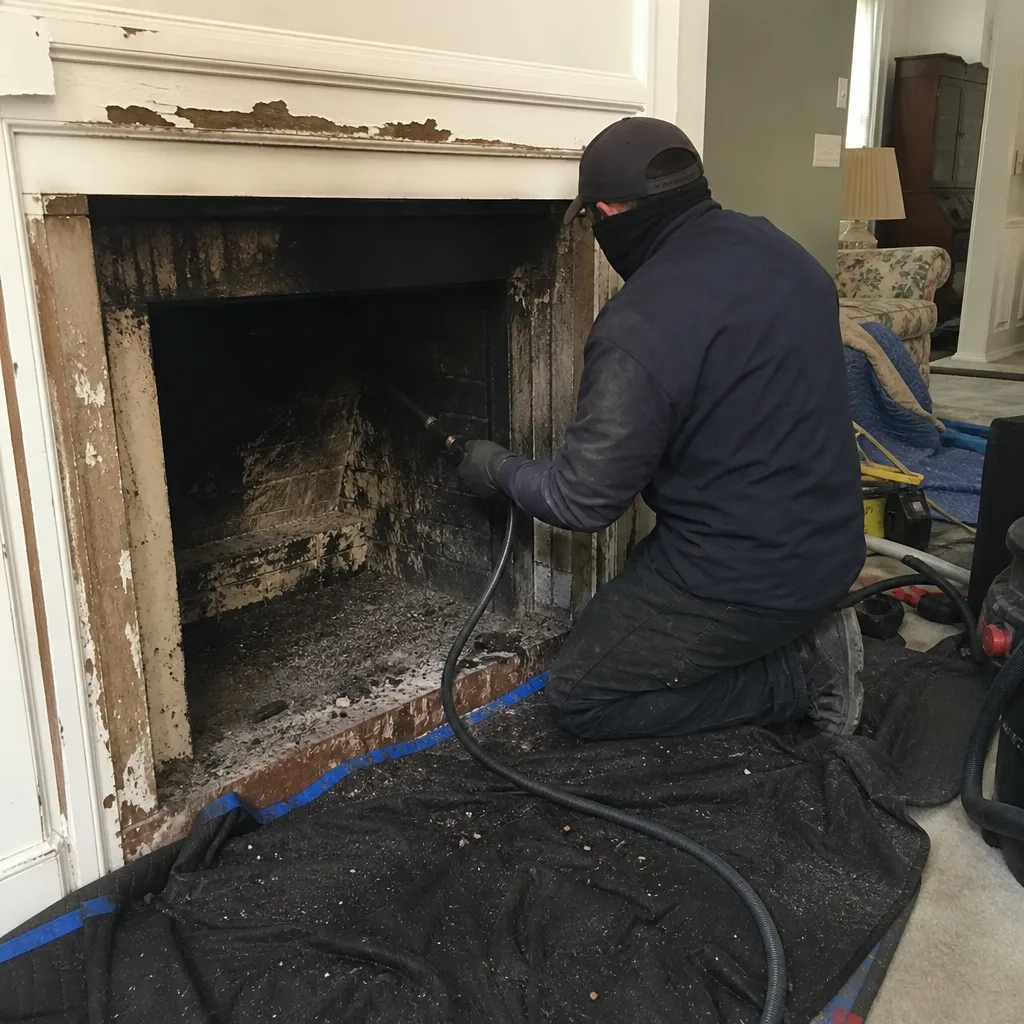 Before
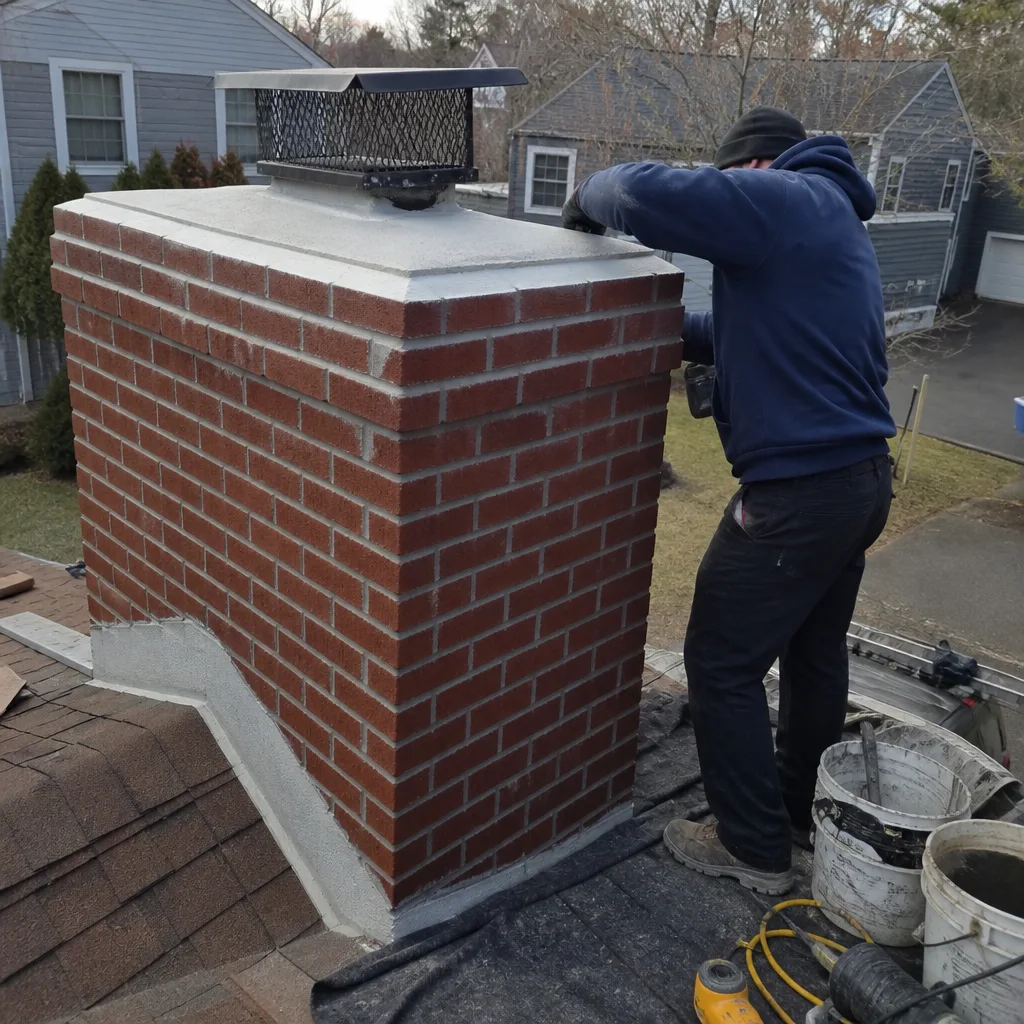 After
After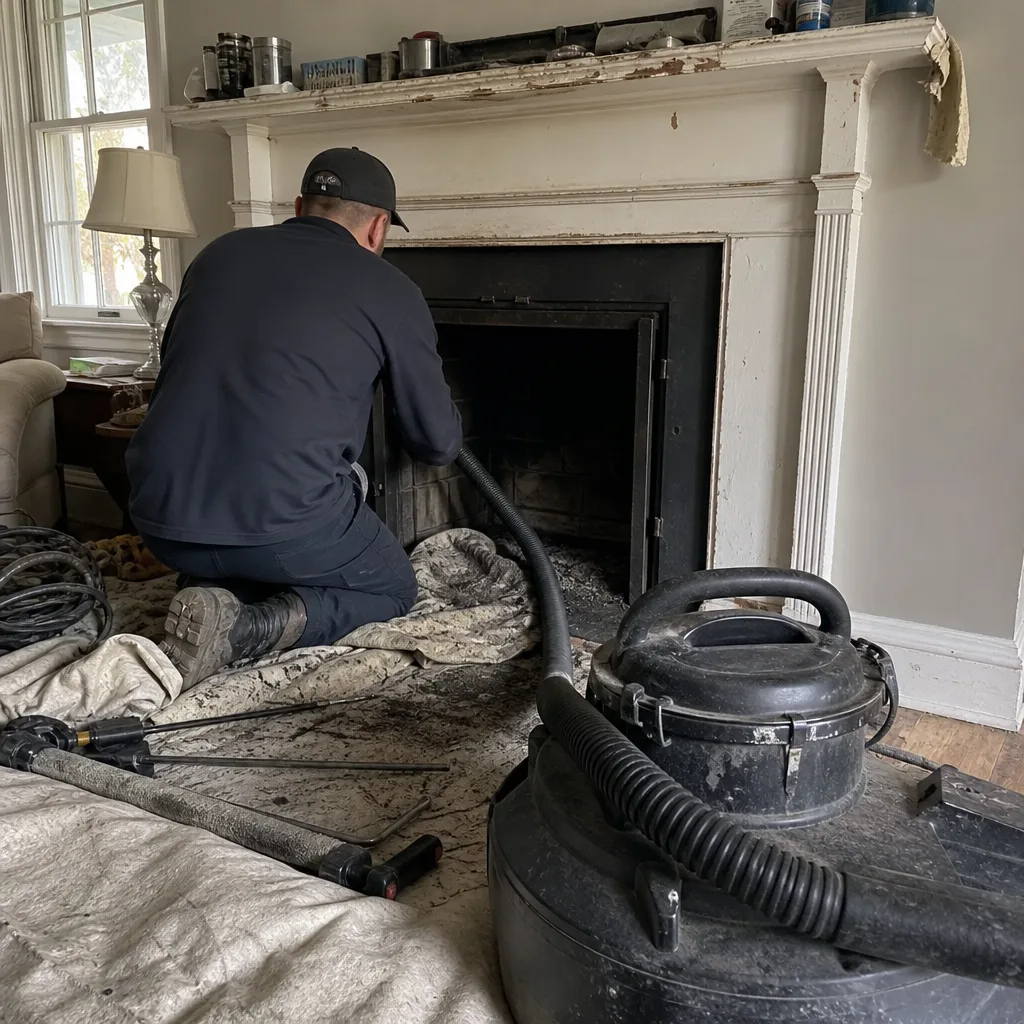 Before
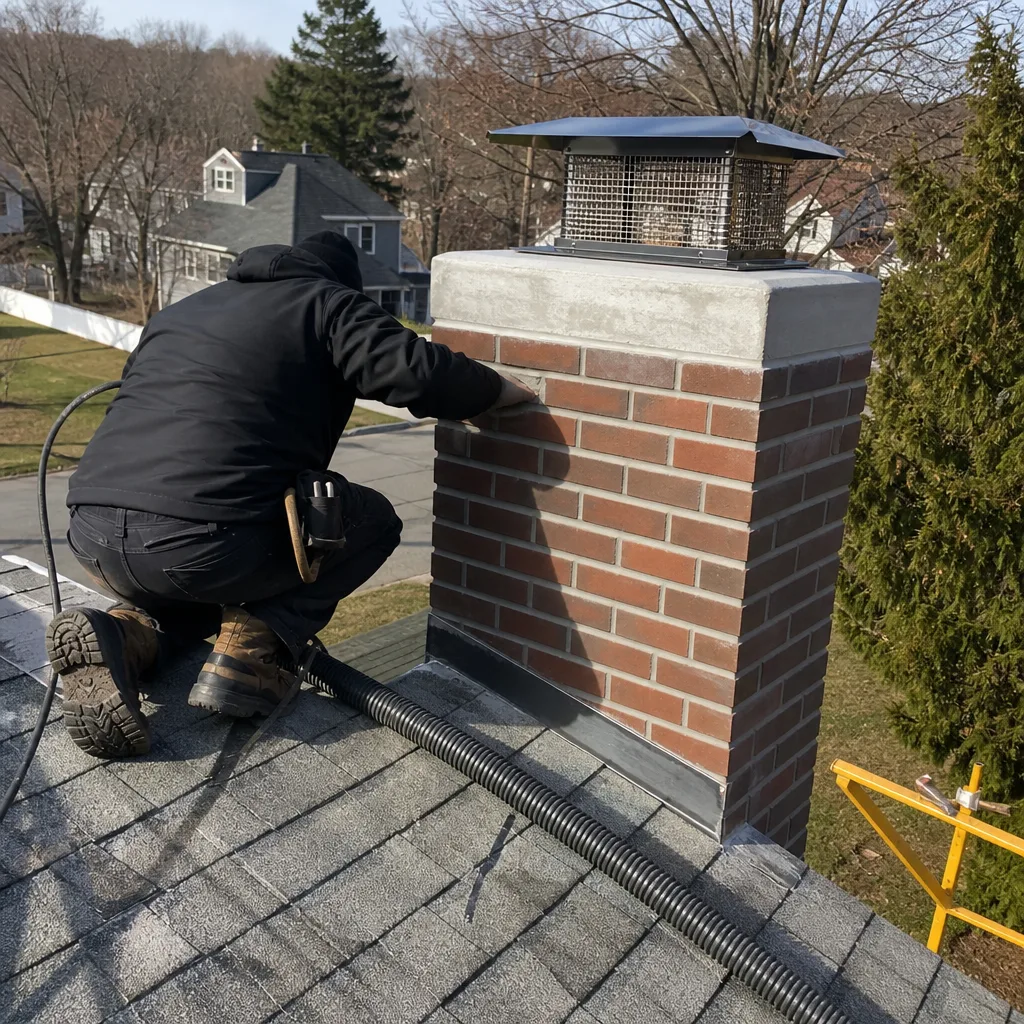 After
After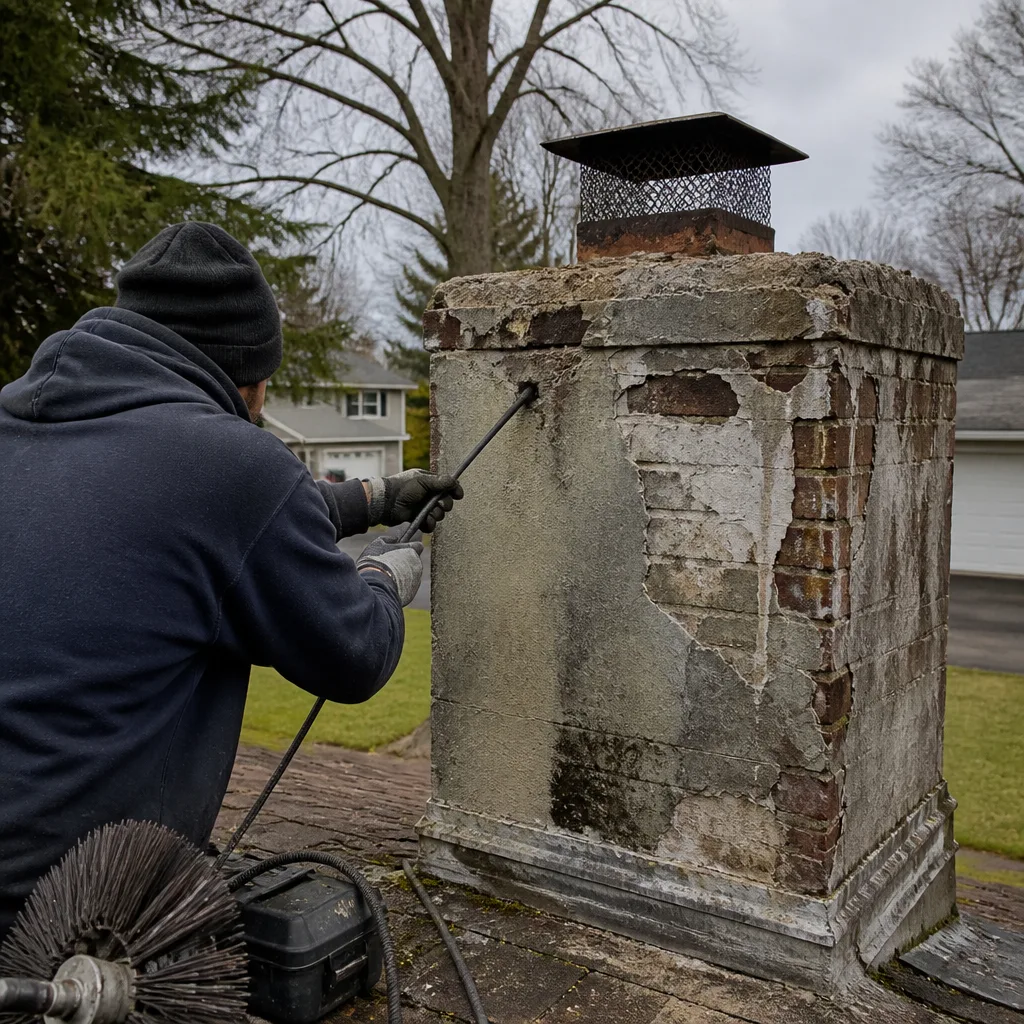 Before
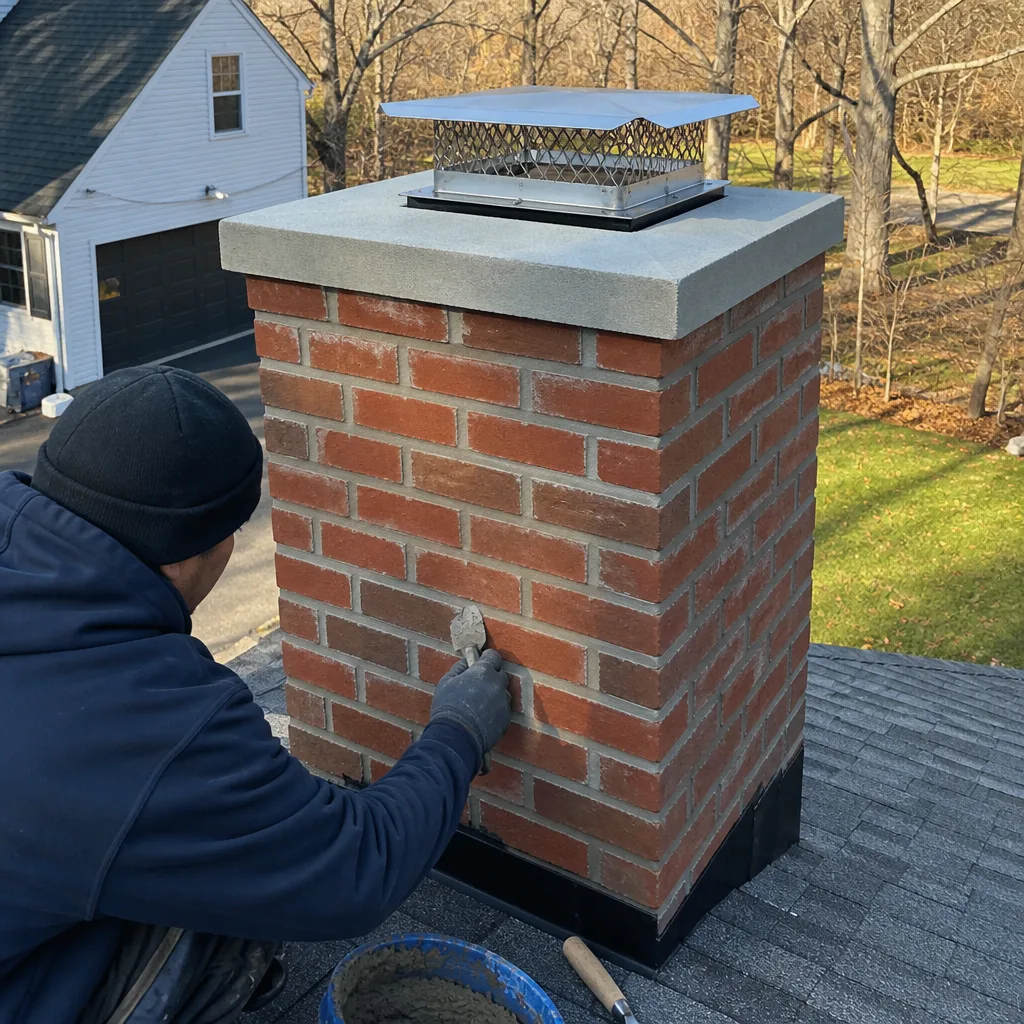 After
AfterChimney Cleaning Warning Signs: A Fairfield Homeowner’s Reference Guide
The smell that Fairfield homeowners describe as “campfire in the living room” on a rainy day is not normal fireplace behavior. It is a draft reversal caused by a damaged or blocked flue, and it means combustion gases that should exit your roof are instead entering your home. After 42 years of sweeping chimneys across Fairfield County, we’ve learned that the most dangerous warning signs are rarely dramatic. They show up as subtle shifts in smell, sound, and smoke behavior that a trained eye recognizes and a busy homeowner misses. This guide-along with our The Complete Guide to Chimney Cleaning in Fairfield-teaches you exactly what to watch for, room by room, before small problems become expensive or unsafe ones.
Quick Answer
Chimney cleaning warning signs in Fairfield homes fall into three categories: sensory changes inside your home (smoky odors, draft reversals, unusual sounds), visible exterior masonry damage (white efflorescence, rust streaks, missing mortar), and performance problems during fires (smoke entering rooms, slow startup, debris falling into the firebox). If you notice any of these, read our DIY vs Professional Chimney Cleaning: The Fairfield Homeowner’s Decision Guide, then schedule a Level-2 camera inspection before lighting your next fire. Some signs mean stop using the fireplace immediately; others allow time for a scheduled appointment.
Table of Contents
- The Seven Sensory Warning Signs You Can Detect From Your Living Room
- What Your Chimney Exterior Tells You From the Ground
- Why a Smoky Smell on Rainy Days Is a Structural Warning, Not Weather
- Stop Immediately vs. Schedule Soon: Ranking Warning Signs by Urgency
- Fairfield-Specific Seasonal Triggers: The October Surprise
- What a Proper Inspection Actually Reveals
- Common Mistakes to Avoid
- When to Call a Professional
- Frequently Asked Questions
The Seven Sensory Warning Signs You Can Detect From Your Living Room
You do not need tools to catch the first hints of chimney trouble. Your senses, sharpened by knowing what to expect, will tell you most of what you need to know.
1. The Persistent Campfire Smell
A faint smoky odor that lingers for hours after the fire dies, or returns on humid days when no fire has burned, signals creosote buildup or a drafting problem. In Fairfield’s older homes, particularly in the Stratfield and Tunxis Hill neighborhoods where many chimneys date to the 1950s and 1960s, we’ve found that homeowners normalize this smell over years. They stop noticing it. Guests notice it immediately. If visitors comment on a “woodsy” smell in your living room, that is data.
2. Draft Reversal on Windy or Rainy Days
When air pressure drops during a Connecticut coastal storm, a properly functioning chimney should still draw upward. If you feel cold air pushing down from the fireplace, or smell smoke in the house during weather, your flue may be partially blocked, improperly sized, or missing a cap. This is not a quirk of Fairfield weather. It is a mechanical failure.
3. Unusual Sounds: Popping, Ticking, or Animal Noises
Metal expansion noises during heating are normal. Persistent ticking that continues after the fire settles, or scratching and chirping from the flue, are not. Squirrels, raccoons, and starlings nest in Fairfield chimneys from March through August. A nest can block the flue partially or completely. We removed a starling nest from a Southport chimney last spring that filled the first four feet of flue with compacted twigs and grass.
4. Smoke Behavior Changes
Smoke that once rose cleanly and now spills into the room, even with the damper fully open, indicates blockage or negative pressure. Note when it happens. Smoke spillage only during startup, which clears as the flue heats, suggests a cold flue or short chimney. Smoke that continues during the burn suggests a deeper problem.
5. Visible Debris in the Firebox
Soot chunks, pieces of flue tile, or mortar crumbs in the firebox mean material is separating inside the flue. Flue tile spalling, caused by repeated heating and cooling cycles, creates gaps that allow heat to reach combustible framing. In Fairfield’s freeze-thaw climate, this damage accelerates.
6. Soot Stains on Fireplace Surrounds
Blackening on the mantel, hearth extension, or nearby walls indicates smoke escaping at joints or seams. This staining is not merely cosmetic. It documents that combustion byproducts, including carbon monoxide, are entering your living space.
7. Difficulty Starting or Maintaining a Fire
A fire that struggles to catch, or that smolders and produces excess smoke, may signal restricted airflow from creosote buildup, a blocked cap, or a damper that no longer opens fully. Compare current performance to previous seasons. Gradual degradation is easy to dismiss until it becomes dangerous.
We’ve documented each of these signs hundreds of times across Fairfield homes. The homeowners who catch them early avoid the costly repairs that follow delayed maintenance. Chimney cleaning and sweeping in Fairfield should address these symptoms before they progress to structural damage.
What Your Chimney Exterior Tells You From the Ground
You can read a chimney’s condition from the sidewalk with surprising accuracy once you know the visual vocabulary. These are the patterns we look for during our initial approach to any Fairfield home.
White Staining (Efflorescence)
White, powdery deposits on brick or stone indicate water moving through the masonry, dissolving salts, and depositing them on the surface. This means your chimney is absorbing water rather than shedding it. In Fairfield, where Long Island Sound humidity meets freeze-thaw winters, efflorescence is an early warning of spalling brick and deteriorating mortar. We’ve replaced crowns on homes near Jennings Beach where efflorescence had been visible for three years before the homeowner called. The crown was cracked through to the flue.
Rust Streaks from the Cap or Chase Cover
Vertical rust stains running down the chimney face mean a galvanized steel cap or chase cover is failing. Once rust penetrates, water follows. In manufactured chimney systems, a rusted chase cover often means water has already reached the interior. We install replacement chase covers in Copperfield stainless steel or custom-fabricated copper when the original design has proven inadequate.
Missing or Recessed Mortar Joints
mortar that has eroded to finger-depth gaps allows water directly into the wall structure. Tuckpointing can restore integrity if caught early. Delayed, the freeze-thaw cycle destroys brick faces and requires partial rebuild. In Fairfield’s historic districts, matching original mortar color and composition matters for both appearance and structural compatibility. We specify chimney repair in Fairfield using appropriate lime-based or Portland mixes depending on the chimney’s age and construction.
Crown Cracks or Deterioration
The concrete crown at the top of a masonry chimney should overhang the brick by at least two inches with a drip edge beneath. Cracks in the crown, or a crown that has settled or washed out, allow water straight down the flue. From the ground, look for dark staining on the upper brick courses, or vegetation growing from crown cracks. Both mean water is pooling where it should not.
Flashing Gaps or Lifting
Where the chimney penetrates the roof, metal flashing should lie flat and sealed. Lifting, corroded, or missing flashing is visible from the ground as a shiny gap or a dark water stain on the roof shingles below. This is not a roofing problem alone. Water entering at the chimney base rots roof decking and ceiling joists simultaneously.
Leaning or Separating Structure
Any visible lean, or a gap between chimney and house wall, indicates foundation settlement or failing lateral support. This requires immediate professional evaluation. Do not use the fireplace until the structural cause is identified.
We photograph every exterior condition during our Hearthstone Chimney Co. home inspection and review the images with the homeowner. Photos you can see, a plain-English verdict. That is our standard.
Why a Smoky Smell on Rainy Days Is a Structural Warning, Not Weather
This is the most commonly misdiagnosed chimney symptom we encounter in Fairfield, and it deserves its own section.
When homeowners smell smoke during rain or high humidity, they often blame the weather. “It’s just a downdraft,” they say, or “The house is too tight.” Sometimes they buy a room air purifier and live with it for years. This is a mistake that can cost lives.
Here’s what is actually happening. A properly constructed and maintained chimney maintains negative pressure in the flue regardless of weather. Air flows upward because the column of hot gas is lighter than outside air. When rain or humidity enters the equation, two failures can occur:
- Water-saturated creosote expands and partially blocks the flue, reducing draft capacity. The remaining opening cannot handle the volume of combustion gases, so pressure reverses and smoke enters the house.
- A damaged or missing chimney cap allows rain directly into the flue. Water runs down the flue walls, mixes with soot and creosote, and creates a sludge that both blocks airflow and releases acidic compounds. These compounds smell strongly of smoke even without an active fire.
The critical distinction: a healthy chimney does not smell smoky in any weather. If you notice this pattern, the flue needs inspection and likely sweeping. In Fairfield’s coastal climate, where summer humidity often exceeds 80% and winter storms drive rain sideways, chimney caps and flue liners take abuse that inland locations do not. We’ve replaced caps on Southport waterfront homes that corroded through in under ten years due to salt air exposure.
Do not mask the symptom with air fresheners or weatherstripping. The smell is information. It tells you that combustion gases, including odorless carbon monoxide, may be entering your home under the wrong conditions.
Stop Immediately vs. Schedule Soon: Ranking Warning Signs by Urgency
Not every warning sign demands emergency response. Some allow time for a scheduled appointment. Others mean extinguish the fire and do not relight until a professional clears the system. Here is how we categorize them based on 42 years of field experience.
Stop Using the Fireplace Immediately
- Smoke entering the room during an active fire, especially if it does not clear when the fire is extinguished. This indicates active blockage or severe drafting failure.
- Visible flames or glowing in the chimney structure outside the firebox. This is a chimney fire. Call the fire department, then call us.
- A loud roaring or rumbling from the chimney accompanied by dense smoke or sparks from the top. Another chimney fire indicator.
- Bricks or mortar falling into the firebox. Structural failure is in progress.
- Carbon monoxide detector activation near the fireplace or in an upstairs bedroom. Treat every alarm as valid. Ventilate the house and do not use the fireplace until the source is identified.
Schedule Within Two Weeks
- Persistent smoky odor without active smoke spillage.
- Draft reversal on weather changes that corrects when conditions improve.
- Visible exterior damage such as efflorescence, crown cracks, or missing mortar that does not yet show interior water damage.
- Debris in the firebox such as soot chunks or small mortar pieces.
- Difficulty starting fires or fires that smolder excessively.
Schedule Before Next Burning Season
- Minor staining on fireplace surrounds that has not worsened.
- Known interval since last inspection exceeding one year for wood-burning systems or three years for gas, with no active symptoms.
- Planned change in fuel type, such as converting from wood to gas inserts, which requires flue compatibility verification.
When in doubt, call. Our phones are staffed by a live person 24 hours a day, 7 days a week. We will tell you honestly whether your situation allows waiting or requires immediate attention. No pressure, no upsell. A square deal: no surprises on the bill.
Fairfield-Specific Seasonal Triggers: The October Surprise
Fairfield’s climate creates a predictable pattern of chimney problems that appear each autumn. Understanding this calendar helps you anticipate trouble before it finds you.
September through mid-October: Humidity drops, homeowners light the first fire in six months. This is when we receive the most calls about “smoke everywhere” and “a terrible smell when I opened the damper.” The cause is usually a combination of accumulated summer moisture in the flue, animal nests built during spring breeding season, and creosote that hardened during previous burns and now obstructs airflow. In the Greenfield Hill area, where many homes sit beneath mature oak canopy, leaf debris and squirrel activity compound the problem.
Late October through November: First sustained cold snaps. Thermal expansion cracks in flue tiles that were stable in summer now open under rapid heating. We find more spalled tile and cracked crowns in November than any other month. The damage was there in September. The temperature change reveals it.
December through February: Peak burning season, peak creosote accumulation. Fairfield homeowners who burn unseasoned wood, common when storms disrupt supply, create glazed creosote that standard brushing cannot remove. This requires chemical treatment and mechanical removal. We use professional-grade materials from HeatShield for flue resurfacing when tile damage is extensive but full relining is not yet necessary.
March through April: Freeze-thaw cycle attacks saturated masonry. Crown cracks widen. Mortar joints deteriorate. This is the ideal window for exterior repairs, before the next burning season and after the worst cold has passed.
May through August: Animal nesting season. Cap inspections and repairs prevent autumn blockages. We recommend May or June appointments for cap and crown evaluation, when our schedule allows thorough attention and before squirrels and starlings establish territory.
The “October surprise” is avoidable. A Level-2 camera inspection in September, before the first fire, catches summer damage and animal intrusion while they are still inexpensive to correct. The homeowners who skip this step and call us in crisis on a Friday evening in November pay more and wait longer. Not because we inflate prices, but because emergency scheduling requires overtime and the problems have progressed.
What a Proper Inspection Actually Reveals
Homeowners often ask what we find that they could not see themselves. The answer is: almost everything that matters for safety and long-term cost control.
A Level-2 inspection, required by NFPA 211 whenever a chimney system changes hands or experiences a chimney fire, includes internal video scanning of the flue from top to bottom. We document the footage, capture still images of defects, and provide a written report with a plain-English verdict. No jargon, no scare tactics. Here is what that process typically reveals in Fairfield homes:
- Hidden flue tile cracks that appear as hairlines from the firebox but extend full tile height when viewed from inside. These cracks allow heat transfer to combustible framing and are the leading cause of house fires originating in chimneys.
- Creosote buildup patterns that indicate burning practices. Heavy, flaky buildup near the top suggests unseasoned wood or smoldering fires. Glazed, tar-like deposits indicate repeated low-temperature burns. Each pattern requires different correction.
- Water damage at the flue base where the chimney meets the fireplace or appliance. This area is invisible from any exterior vantage point and often shows the first signs of crown failure or flashing leaks.
- Obstructions and partial blockages from collapsed liner sections, animal nests, or construction debris left from original building or previous repairs.
- Corrosion of metal components including dampers, smoke shelves, and connector pipes. Stainless steel components from quality manufacturers like DuraFlex resist corrosion far longer than builder-grade alternatives.
We complete most inspections in a single visit, with background-checked, uniformed technicians who explain findings in real time. The photos are yours to keep. The verdict is honest. If work can safely wait a season, we say so. If it cannot, we show you exactly why.
Our fireplace services in Fairfield include comprehensive inspection, cleaning, and repair using materials from Famco, Copperfield, and other professional-grade manufacturers. No builder-grade substitutes. Done right, and we stand behind it.
Common Mistakes to Avoid
- Assuming a gas fireplace needs no chimney maintenance. Gas appliances produce corrosive condensation and can block vents with debris. Annual inspection is essential, even when the flame looks perfect.
- Judging chimney condition by fireplace appearance. A clean, attractive firebox can sit above a deteriorated flue. The dangerous conditions are hidden from view by design.
- Burning unseasoned wood to “save money.” Wood with moisture content above 20% creates glazed creosote that requires expensive removal and increases fire risk. In Fairfield’s humid summers, even “seasoned” wood stored outdoors often needs additional drying time.
- Installing a chimney cap from a hardware store without sizing verification. Incorrect cap sizing restricts draft or allows water intrusion at the edges. We measure flue dimensions and specify caps from Olympia Chimney or custom-fabricated solutions when standard sizes do not fit.
- Delaying inspection after a chimney fire. Even a small chimney fire, often mistaken for “a really good draft,” causes thermal shock damage to flue tiles and liners. Inspection after any suspected fire is non-negotiable.
- Trusting “chimney sweep” credentials without verification. Connecticut does not require chimney sweep licensing. Ask for CSIA certification, insurance documentation, and local references. We’ve repaired work from unqualified operators in every Fairfield neighborhood.
- Ignoring the October window. Waiting for cold weather to “test” the chimney before calling guarantees emergency pricing and limited scheduling availability.
When to Call a Professional
Call when you observe any of the seven sensory warning signs, any exterior visual damage, or any change in fireplace performance from previous seasons. Call if your last inspection exceeds one year for wood-burning or three years for gas. Call if you are purchasing a home, converting fuel types, or have experienced a chimney fire, however minor it seemed.
Hearthstone Chimney Co. offers free estimates in Fairfield. Our phones are answered by a live person 24 hours a day, 7 days a week. No voicemail, no callback queue. Call (475) 251-7537, and we will schedule a convenient appointment, provide no-hassle upfront pricing, and deliver a documented inspection with photos you can see and a plain-English verdict. For additional help, explore more guides & resources on our blog. Most jobs are completed in a single visit. All work is covered by our 90-Day Done Right Promise, in writing, with no arguing.
Frequently Asked Questions
A standard chimney cleaning and Level-1 inspection in Fairfield typically ranges from $199 to $349, depending on flue accessibility, creosote condition, and whether animal removal is required. Level-2 camera inspections, recommended for most homes we see, range from $299 to $449 and include video documentation and a written report. Our $89 Seasonal Tune-Up, available during designated periods, covers basic cleaning and safety checks for qualifying systems. We provide exact pricing before any work begins. Call (475) 251-7537 for a free estimate.
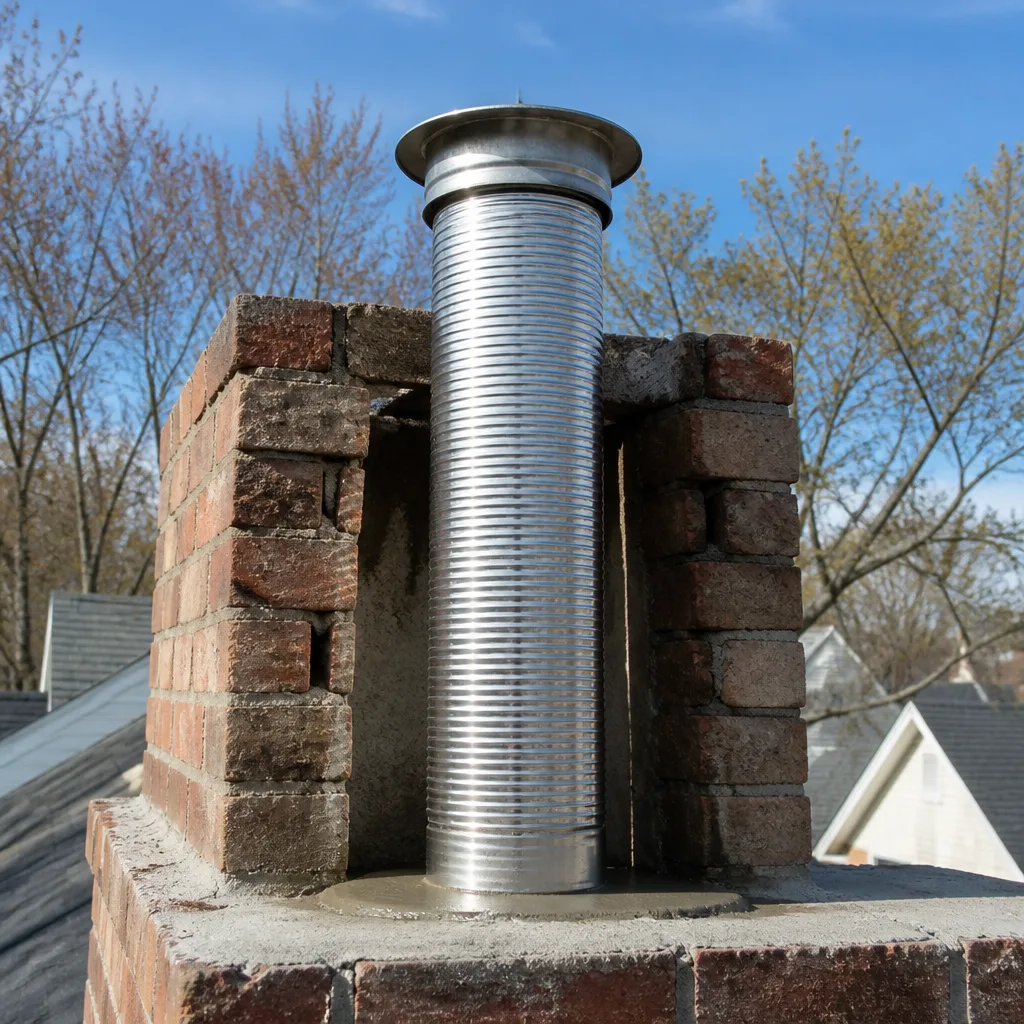
You need a new liner when the existing one is damaged, improperly sized, or missing entirely, which we confirm with camera inspection, not guesswork. Cracked clay flue tiles, deteriorated stainless steel, or unlined masonry chimneys all require correction to meet modern safety standards. In Fairfield’s older homes, particularly pre-1940 construction, unlined chimneys are common and hazardous. We install DuraFlex stainless steel liners and, when appropriate, use HeatShield cerfractory resurfacing for tile restoration. Nothing is recommended without camera evidence you can see yourself. Call (475) 251-7537 to schedule an inspection.
The National Fire Protection Association recommends annual inspection for all chimney systems, with cleaning frequency determined by use and fuel type. Most Fairfield homeowners burning wood two or more times weekly need annual sweeping. Occasional users may extend to every two years if inspection confirms minimal creosote accumulation. Gas systems require annual inspection but less frequent cleaning. The specific interval depends on your burning habits, wood quality, and chimney configuration. We assess this during inspection and recommend a personalized schedule. Call (475) 251-7537 to establish yours.
Skipped maintenance leads to creosote accumulation, which increases chimney fire risk and can produce dense, ignitable deposits requiring expensive chemical removal. Water intrusion from uncapped or deteriorated chimneys destroys masonry from the inside, eventually requiring partial or full rebuild. Hidden flue damage allows heat transfer to framing, creating structural fire risk without any visible warning. In Fairfield’s climate, these processes accelerate compared to drier inland regions. The cost of prevention is always lower than the cost of repair after failure. Call (475) 251-7537 for a free estimate before problems progress.
Rainy-day smoky smell indicates water entering the flue and mixing with creosote and soot, creating odorous compounds and partially blocking airflow. This happens when the chimney cap is missing, damaged, or improperly sized, or when the flue liner has deteriorated gaps. Fairfield’s coastal humidity and frequent precipitation make this pattern especially common here. The smell is not weather-related; it is a mechanical failure that worsens with moisture exposure. Left uncorrected, it progresses to active smoke spillage and potential carbon monoxide entry. Schedule inspection promptly. Call (475) 251-7537.
You can and should observe the warning signs this guide describes from your living room and from the ground outside. You cannot safely assess flue interior condition without proper equipment and training. Chimney flues are confined spaces with toxic residue, and roofs present fall hazards. For the internal inspection that determines actual safety, hire a CSIA-certified professional with camera equipment and insurance. We document everything we find with photos and explain it in plain English. Call (475) 251-7537 to schedule.
If any work we perform is not done right, we return and make it right at no additional cost, backed in writing with no paperwork and no arguing. This promise is governed by our K.E.Y.S. values code: Krafted right, Every time, Your home first, Standing behind it. It applies to all services including cleaning, repair, and installation. We’ve honored this promise for over 42 years because we plan to be serving Fairfield for decades to come. Call (475) 251-7537 with any concern, anytime.
The Bottom Line
Chimney warning signs are present in your home long before they become emergencies. The smoky smell on a rainy Fairfield afternoon, the white staining visible from your driveway, the fire that no longer draws as it once did - these are not quirks of an old house. They are specific, readable signals of conditions that progress predictably toward costly repair or genuine hazard.
The homeowners who avoid surprises are those who learn these signs, act when they appear, and establish a relationship with a sweep who documents what they find and explains it honestly. We’ve built Hearthstone Chimney Co. on this principle for 42 years. No flash, no shortcuts. Just the thing done correctly, with photos you can see, a plain-English verdict, and a promise in writing that we stand behind.
Call (475) 251-7537 for a free estimate. A live person will answer, 24 hours a day, 7 days a week. We’ll be there when we say. The number on the estimate is the number on the invoice. And if it’s not done right, we make it right. That’s the Keystone Standard.
Written by Russell Haines, Owner at Hearthstone Chimney Co., serving Fairfield since 2014.