
Last updated September 10, 2026
Level 1 sweep and inspection to the NFPA 211 annual standard - flue, crown, cap, and flashing checked and photographed
Chimney sweep logs do not sweep chimneys. They loosen some creosote - which then falls where a brush and vacuum still have to collect it.
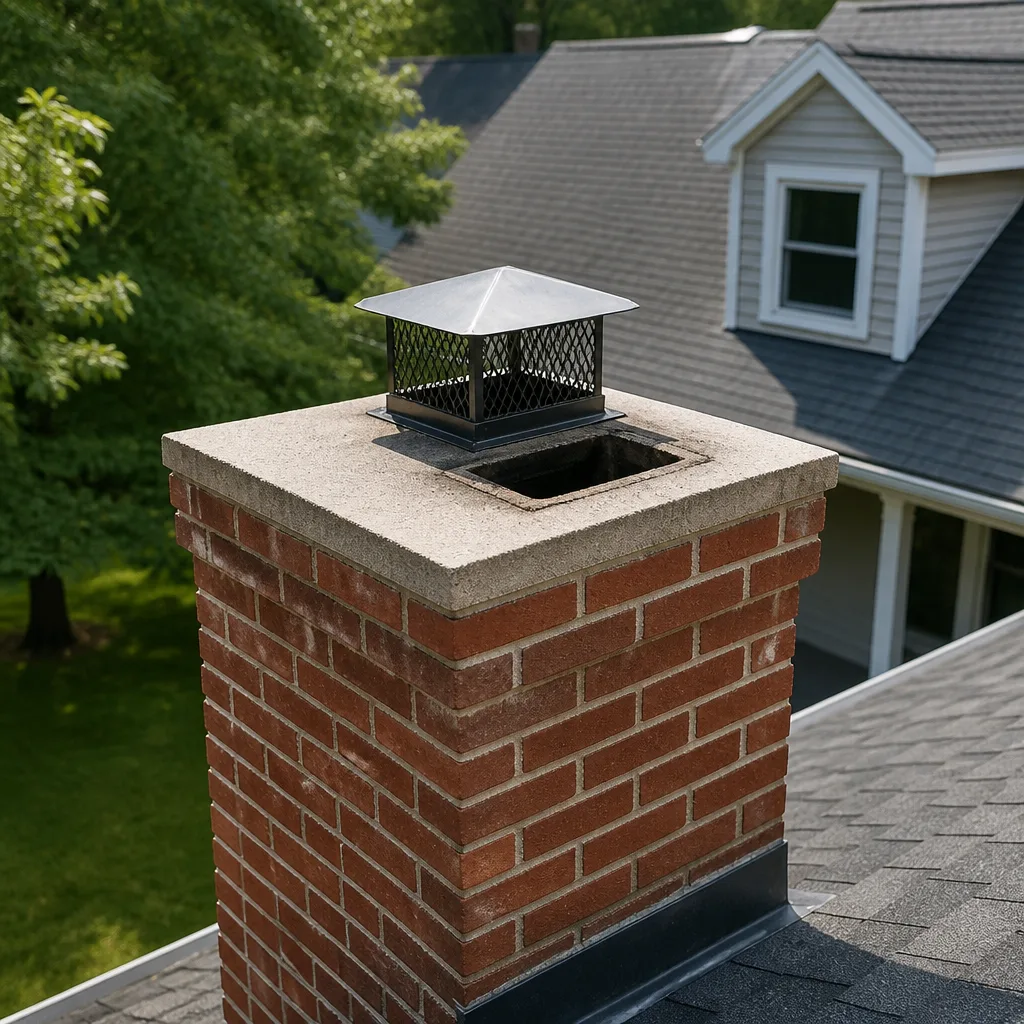
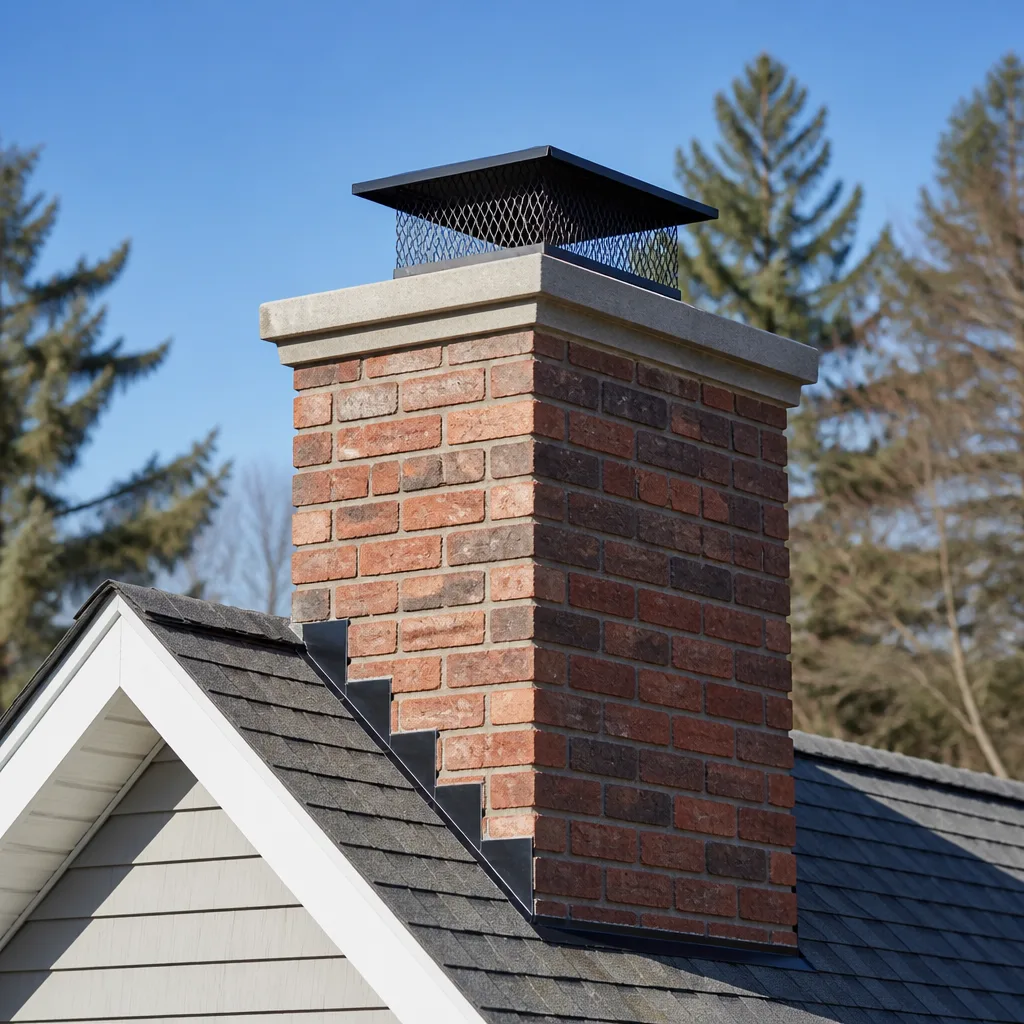
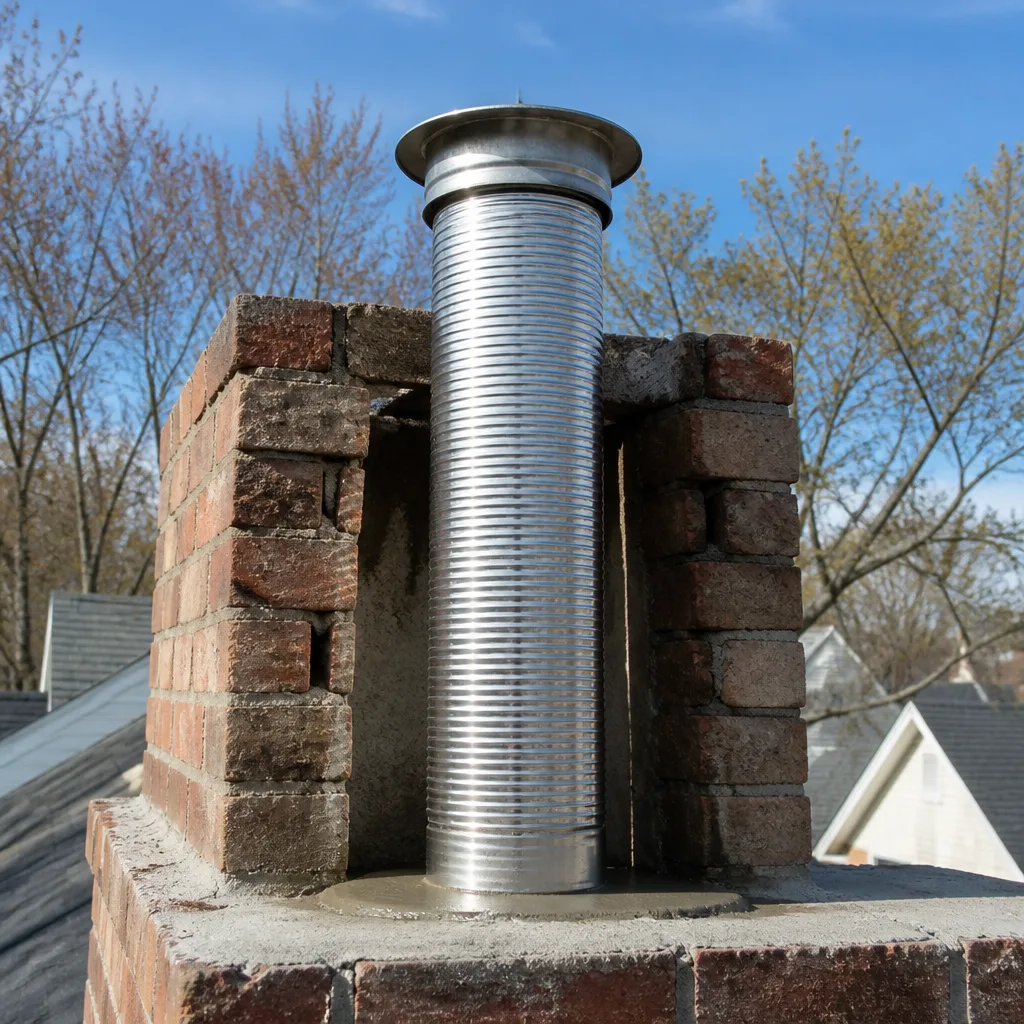
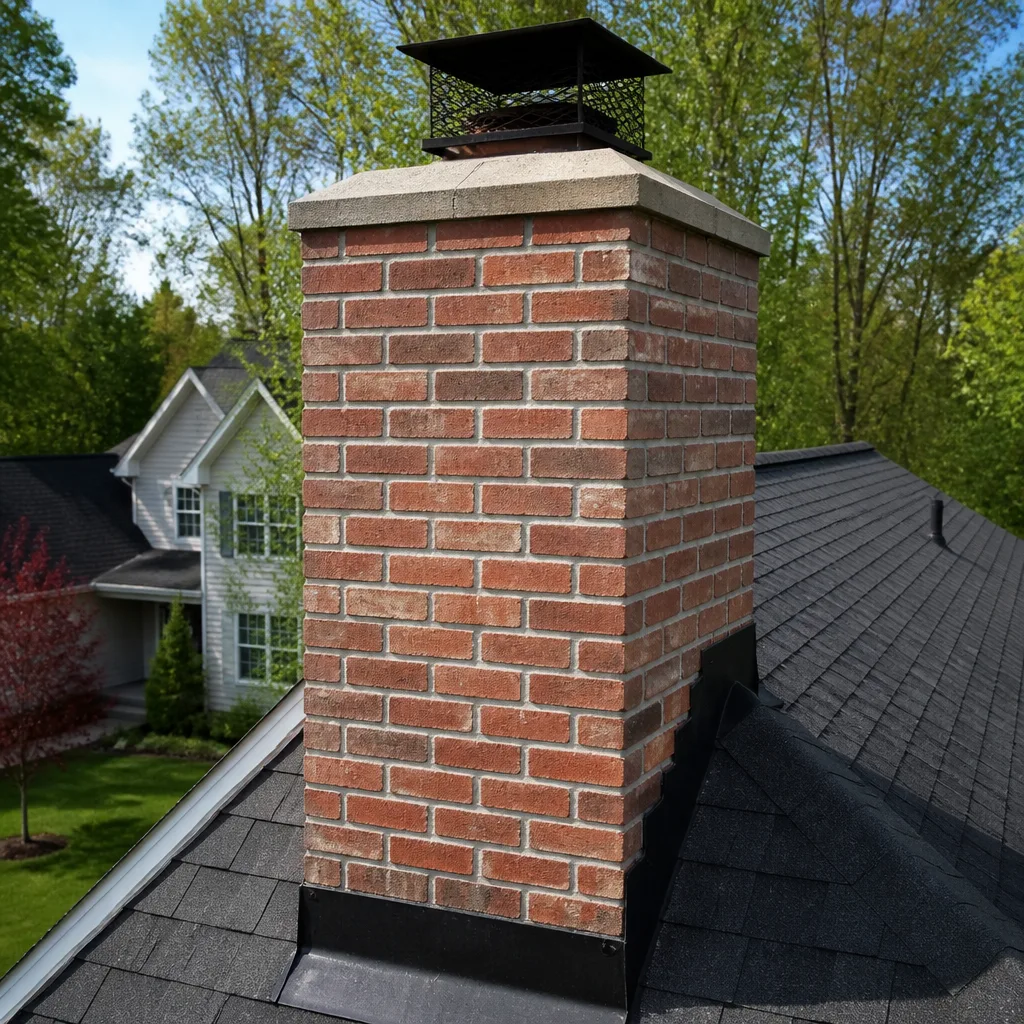
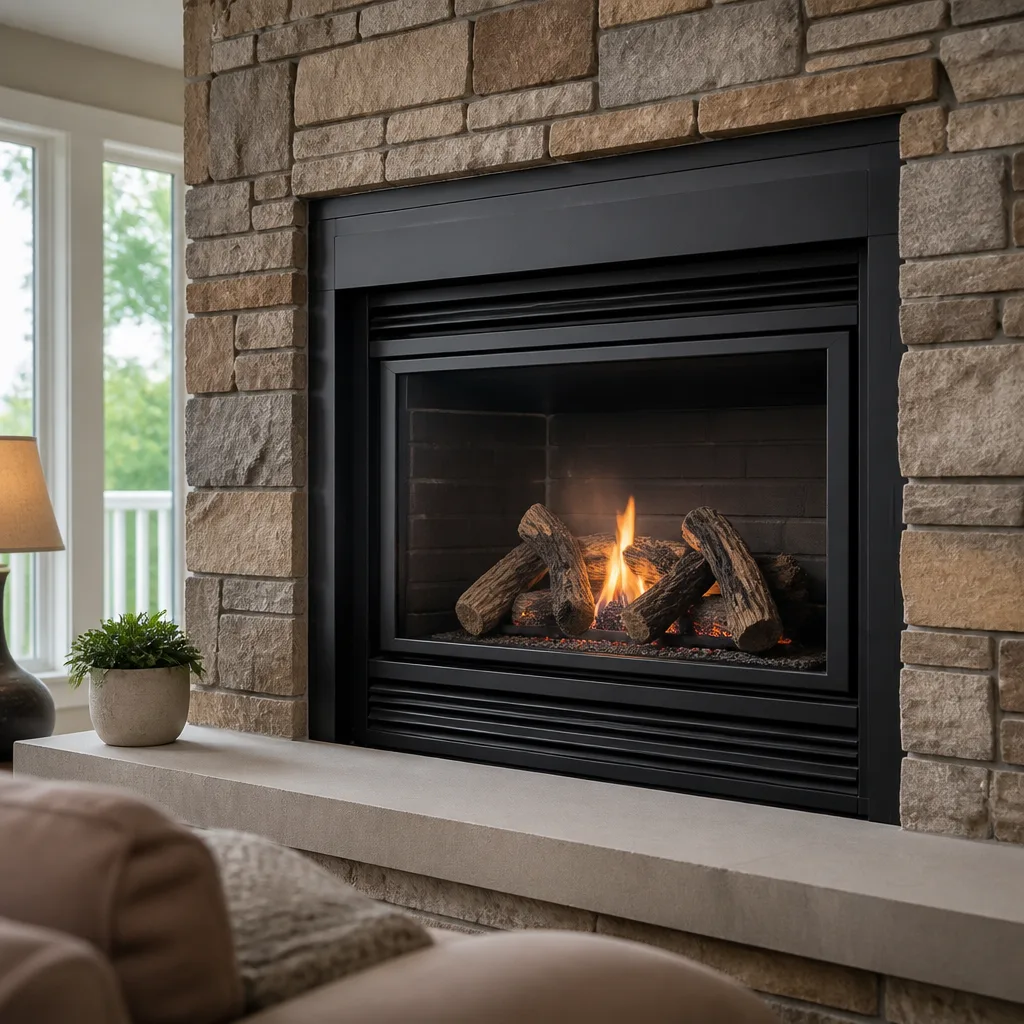
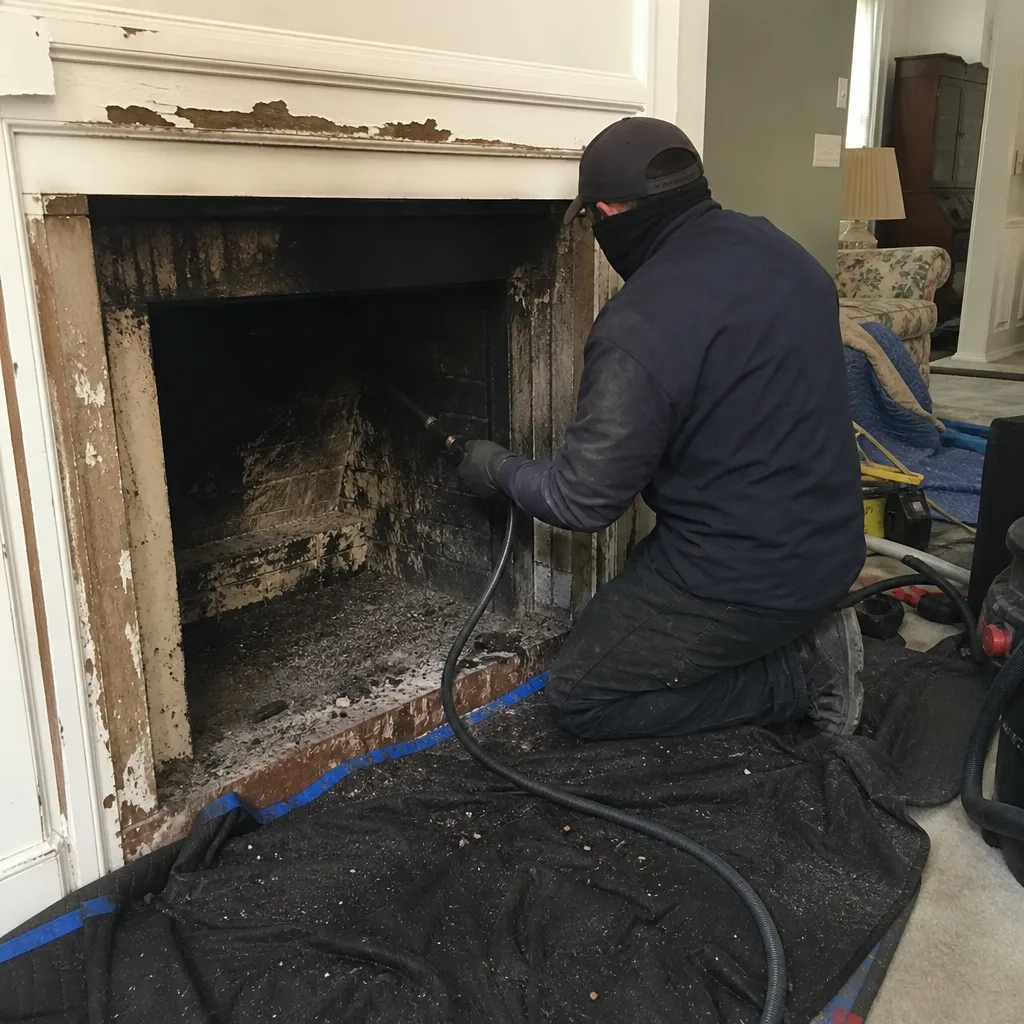 Before
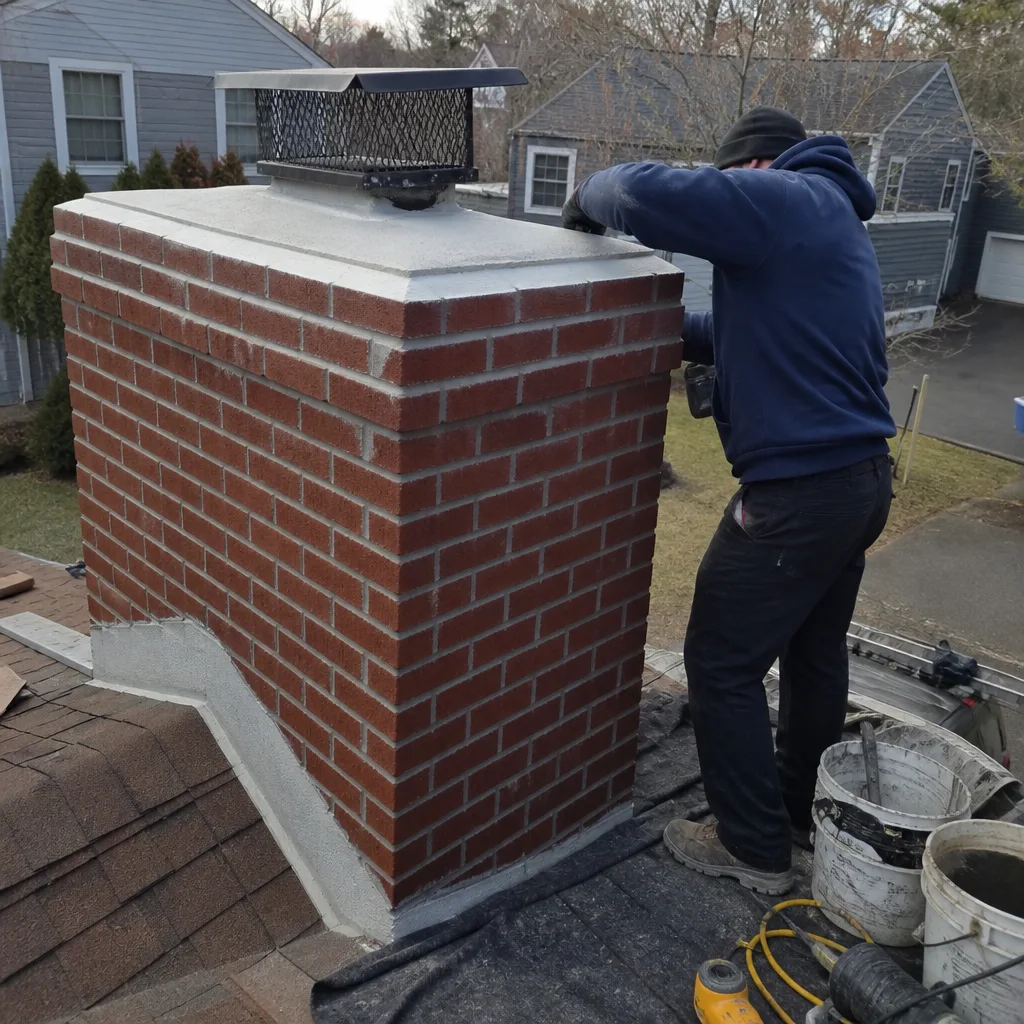 After
After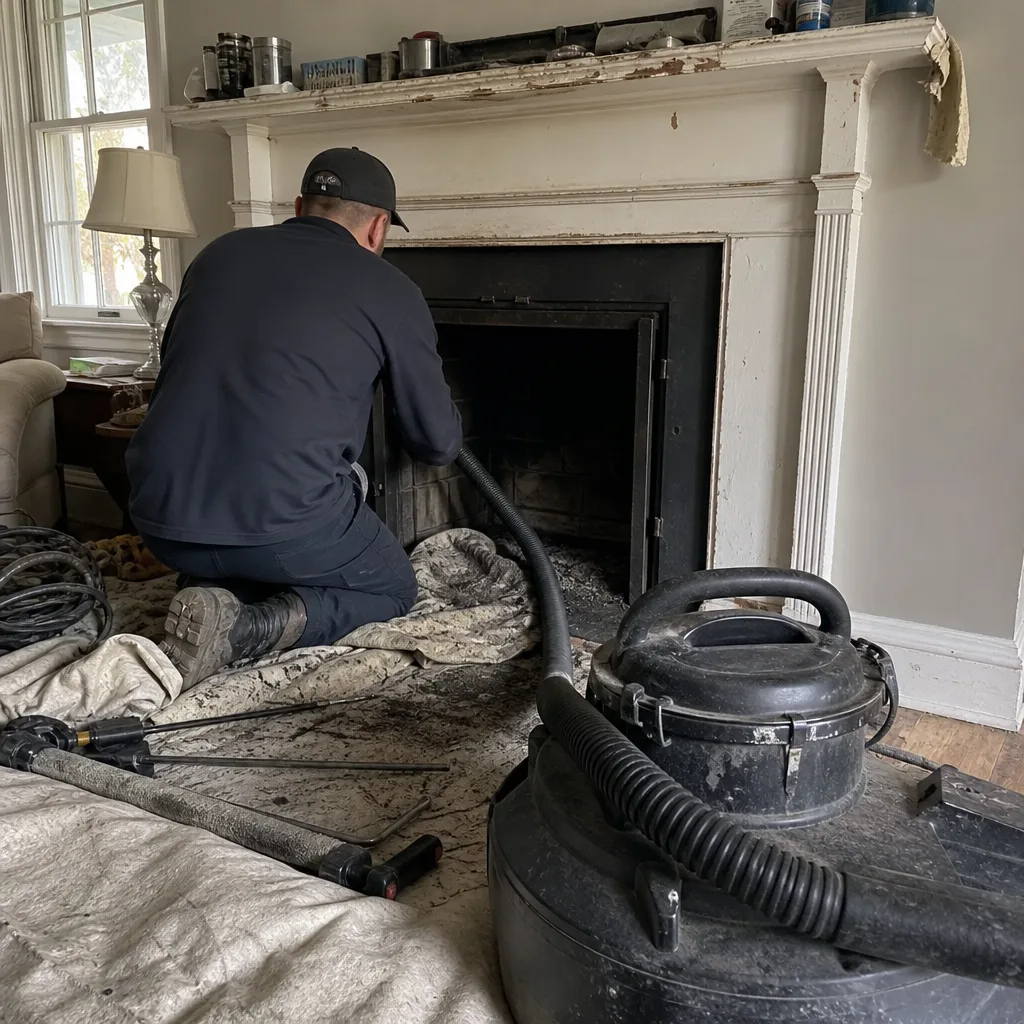 Before
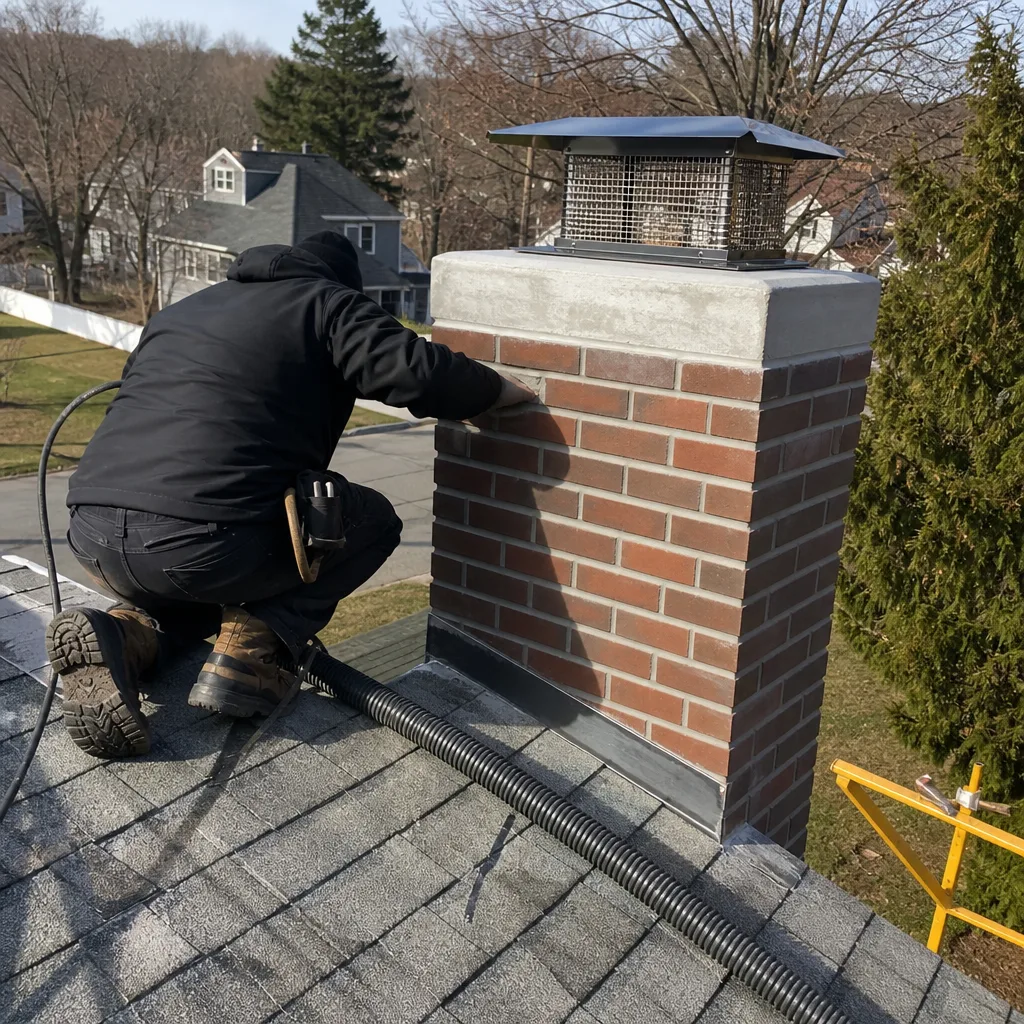 After
After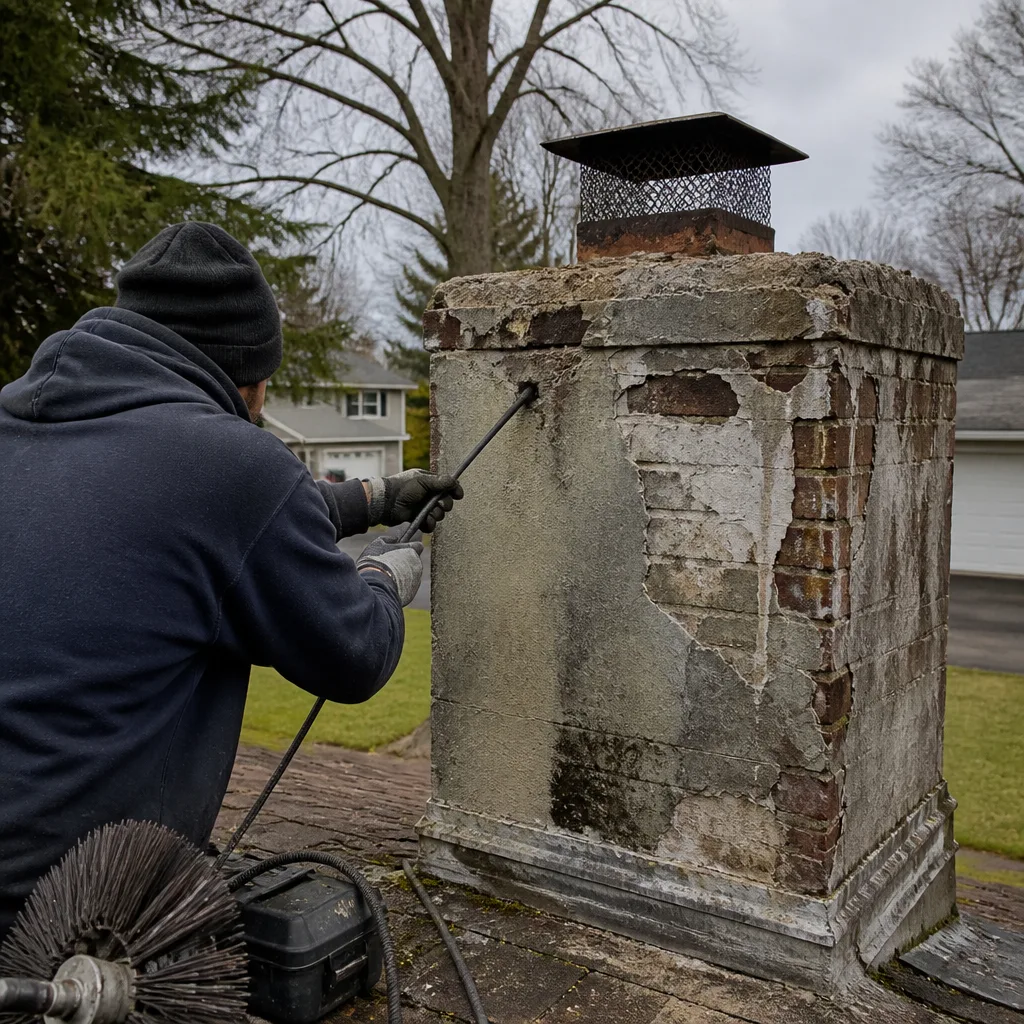 Before
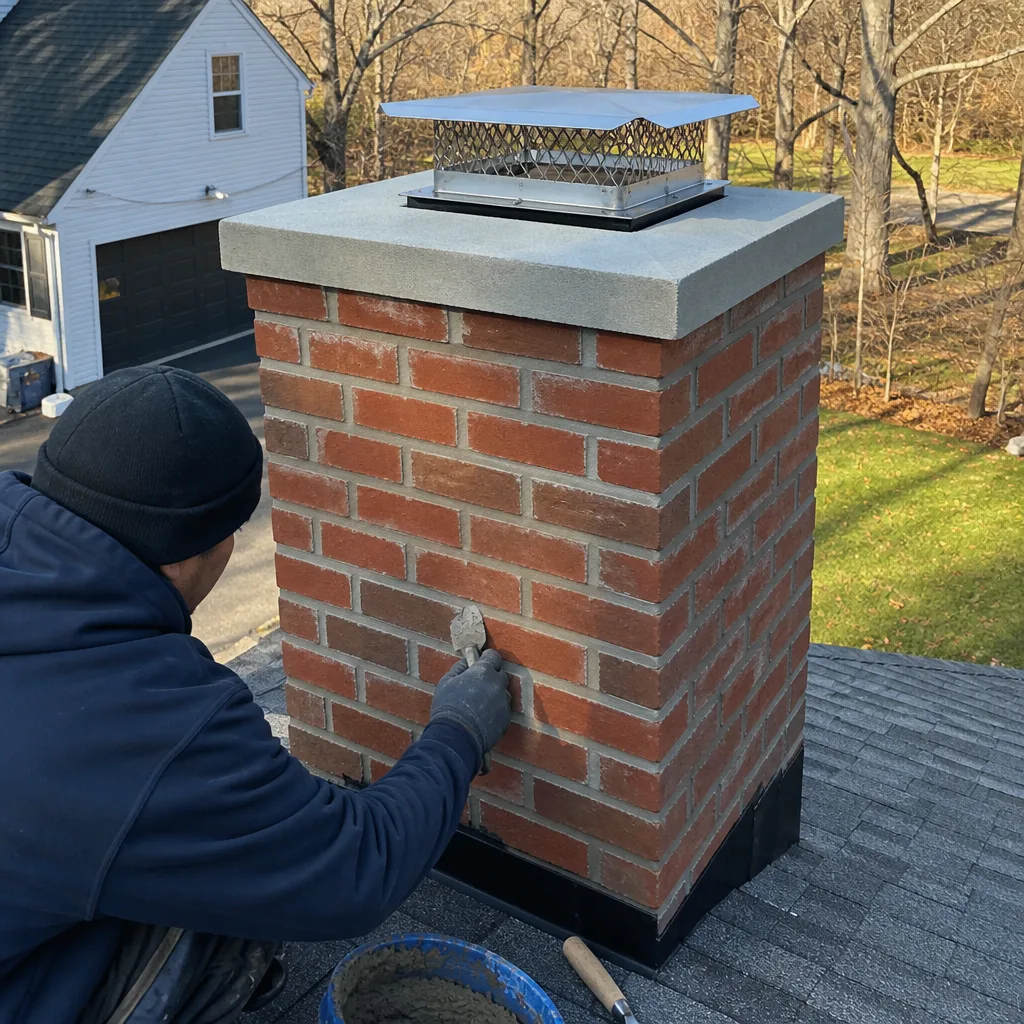 After
AfterChimney Cleaning Permits, Codes & Inspections in CT: What You Need to Know
Most homeowners assume a chimney cleaning never requires a permit. That’s true - until the sweep finds a cracked liner and repairs it, at which point Connecticut building code may require a permit your contractor quietly skipped, leaving you exposed at the next home sale inspection. In Fairfield, we’ve seen this exact scenario derail closings, trigger insurance denials, and turn a routine $300 sweep into a $3,000 emergency re-do. Our Complete Guide to Chimney Cleaning in Fairfield explains exactly where Connecticut draws the line between maintenance and regulated repair, what documentation actually protects you, and why the inspection standard most contractors reference - NFPA 211 - is routinely misapplied to homeowner disadvantage.
Quick Answer
Routine chimney cleaning and sweeping in Connecticut does not require a building permit. However, any repair that alters the structure, replaces a liner, or modifies the flue system triggers permit requirements under the Connecticut State Building Code, which Fairfield enforces through its Building Department. A Level 2 camera inspection is required for real estate transactions and after any chimney fire or significant weather event, and the documentation from that inspection - photos, written verdict, and permit records - becomes the homeowner’s only protection in disputes with insurers or buyers.
Table of Contents
- When Chimney Cleaning Becomes Repair Under CT Code
- What NFPA 211 Actually Requires: Level 1, 2, and 3 Inspections
- The Fairfield Building Permit Process for Chimney Work
- Real Estate Transactions: Why Sellers Should Order Their Own Level 2 Inspection
- What Happens When Contractors Skip Permits and Insurance Claims Follow
- The One Documentation Step That Protects You
- Common Mistakes to Avoid
- When to Call a Professional
- Frequently Asked Questions
- The Bottom Line
When Chimney Cleaning Becomes Repair Under CT Code
The Connecticut State Building Code, adopted from the International Building Code with state amendments, draws a sharp distinction between maintenance and repair. Understanding this threshold saves Fairfield homeowners from unpermitted work that surfaces years later.
Maintenance - no permit required:
- Standard chimney sweeping and creosote removal
- Cap and crown cleaning
- Firebox brick cleaning and minor mortar joint touch-up using compatible materials
- Damper adjustment and lubrication
- Smoke chamber parging with listed refractory materials (when not structural)
Repair - permit required in Fairfield:
- Liner replacement or relining with any material, including HeatShield cerfractory foam applications that restore liner integrity
- Crown reconstruction or pour-over exceeding 25% of surface area
- Chimney rebuilds, partial or complete
- Flue tile replacement or modification
- Structural repairs to the smoke chamber or firebox
- Installation of new inserts or connection of appliances to existing flues
The code hinge is “alteration.” Once a technician changes the flue’s internal dimensions, material, or structural path, the work falls under Section R1001 and R1003 of the residential code. Fairfield’s Building Department interprets this conservatively. We’ve encountered situations in the Stratfield and Tunxis Hill neighborhoods where homeowners discovered, during pre-sale inspections, that previous liner work lacked permits. The remedy was full removal and reinstallation with proper inspection - a cost that fell entirely on the seller.
Here’s the practical test we apply: if the work requires a material specification sheet - DuraFlex stainless steel liner, Gelco cap specifications, Olympia Chimney components - it likely needs a permit. If the work only requires brushes, rods, and soot removal, it does not.
Fairfield’s coastal climate accelerates the maintenance-to-repair timeline. Salt air, freeze-thaw cycles from Long Island Sound storms, and the temperature differentials in homes near the beach - particularly in Southport and along the shore - degrade mortar and liner surfaces faster than inland Connecticut. A sweep that reveals spalling flue tiles in Westport-adjacent Fairfield homes often crosses into repair territory immediately, where the same condition in Danbury might be monitored for another season.
What NFPA 211 Actually Requires: Level 1, 2, and 3 Inspections
NFPA 211, the Standard for Chimneys, Fireplaces, Vents, and Solid Fuel-Burning Appliances, governs inspection depth. Most contractors reference it vaguely. Here’s what it actually mandates, with the trigger conditions that determine which level applies.
Level 1 Inspection - Routine Maintenance Context
A Level 1 is a visual examination of readily accessible portions of the chimney exterior, interior, and connecting appliances. No specialized tools. No camera. The technician examines what can be seen without removing components or damaging finishes.
When it’s required:
- Annual maintenance and cleaning of a system with no changes in use, fuel, or appliance
- Verification of suitability before use when no alterations have occurred
What it cannot do: A Level 1 cannot assess concealed flue liner condition, hidden masonry deterioration, or proper clearances within wall cavities. In Fairfield’s older housing stock - the Colonials and Capes built in the 1950s through 1970s that dominate neighborhoods like Grasmere and Holland Hill - a Level 1 is often insufficient because original clay liners have deteriorated beyond visual detection.
Level 2 Inspection - Real Estate and Post-Event
A Level 2 includes everything in Level 1, plus examination of accessible attics, crawl spaces, and basements, and a video scan of the internal flue surfaces. This is where Copperfield camera systems and similar professional-grade equipment become essential - consumer-grade inspection cameras lack the resolution and lighting to document defects that matter.
When it’s mandatory under NFPA 211:
- Upon sale or transfer of a property
- After a chimney fire or significant weather event (lightning strike, earthquake, major wind damage)
- Upon changes in appliance type, fuel type, or flue connection
- After building or chimney structural damage
- When required by authority having jurisdiction
The real estate trigger catches Fairfield homeowners unprepared. Connecticut does not mandate chimney inspection at closing, but Fairfield’s purchase contracts increasingly include chimney contingency clauses. A buyer’s inspector who discovers unpermitted liner work or undocumented defects can renegotiate or walk. The seller who proactively orders a Level 2 inspection controls the timeline, selects the technician, and addresses findings on their own terms.
Level 3 Inspection - Concealed Hazard Investigation
A Level 3 involves demolition of building materials to access concealed areas - wall removal, chimney breast deconstruction, or similar invasive work. This is rare and triggered only when Level 1 and 2 findings indicate hidden hazards that cannot be otherwise evaluated. We’ve performed three Level 3 inspections in our Fairfield service history, all following chimney fires where visible damage suggested concealed pyrolysis of nearby framing.
The critical distinction: Level 2 is not “better than” Level 1 in a general sense. It is legally required in specific circumstances, and performing only a Level 1 when Level 2 is mandated exposes the technician and homeowner to liability. We document the trigger condition on every inspection report to establish compliance.
The Fairfield Building Permit Process for Chimney Work
Fairfield’s Building Department operates under the Connecticut State Building Code with local amendments. For chimney work requiring permits, the process is straightforward but specific - and skipping steps creates the documentation gaps that haunt homeowners later.
Step-by-step permit process:
- Application submission: The contractor or homeowner submits a building permit application with scope description, proposed materials, and a site plan showing chimney location. For liner work, manufacturer specifications for the proposed liner system - DuraFlex, HeatShield, or equivalent - must accompany the application.
- Plan review: Fairfield’s building official reviews for code compliance, particularly flue sizing per NFPA 211 Table 12.6.2.1 and clearance to combustibles per R1003.18. This typically takes 5-10 business days for residential chimney work.
- Permit issuance: Upon approval, the permit is posted at the work site. Work cannot proceed until this posting occurs.
- Rough inspection: For liner installations, an intermediate inspection verifies proper sizing, support, and connection before closure. This is the inspection most commonly skipped by unpermitted contractors.
- Final inspection: The completed work is examined for code compliance, proper clearances, and safe operation. A certificate of compliance or equivalent documentation is issued.
- Documentation retention: The homeowner receives final documentation; Fairfield retains records per state retention schedules.
Fairfield’s permit fees for residential chimney work are modest - typically $75-$150 depending on project value. The real cost of permitting is time and accountability. A contractor who avoids permits avoids inspection, avoids documentation, and avoids the paper trail that connects them to warranty obligations.
We’ve reviewed competitor work in the Greenfield Hill and Sasco Hill areas where stainless steel liners were clearly undersized for the connected appliance, creating draft inadequacy and creosote accumulation hazards. Proper permitting with rough inspection would have caught this. The homeowners discovered the problem only when switching to a higher-efficiency insert and finding the flue incompatible - a $2,400 reline that should have been correct from installation.
Fairfield’s coastal location adds a local amendment consideration: wind resistance. Chimney caps and termination heights in shore-exposed properties must meet enhanced criteria. We’ve specified Gelco wind-resistant cap assemblies for Southport waterfront homes where standard caps failed repeatedly.
Real Estate Transactions: Why Sellers Should Order Their Own Level 2 Inspection
The standard Fairfield real estate transaction proceeds with buyer-ordered inspections. This seems logical - the buyer bears risk, so the buyer investigates. For chimneys, this sequence disadvantages sellers systematically.
Here’s the dynamic: a buyer’s inspector, working on the buyer’s dime and timeline, identifies defects. The buyer demands remediation credits or contractor estimates. The seller, now under contract pressure with closing dates fixed, must respond quickly with limited vendor availability. Estimates are rushed. Work is performed under duress. Permits, if required, may be expedited inadequately or skipped entirely.
The alternative: seller-ordered Level 2 inspection, completed before listing or during early marketing.
Advantages of seller-proactive inspection:
- Control of technician selection - choose based on qualification, not availability
- Time to obtain proper permits and schedule inspections without closing pressure
- Documentation that becomes a marketing asset - “Level 2 inspected, permit-compliant liner installed”
- Ability to address or disclose findings transparently, reducing negotiation leverage for buyers
- Protection against post-closing claims if defects were properly disclosed
In Fairfield’s market, where median home ages exceed 50 years and chimney systems are frequently original or poorly documented, a pre-listing Level 2 inspection differentiates properties. We’ve provided these inspections for sellers in the Stratfield Heights and Mill Plain areas who subsequently sold without chimney contingencies - the inspection report, with photos and permit documentation, satisfied buyer due diligence before it became contentious.
The inspection must be recent - within 12 months of listing - and must include the video documentation that supports the written verdict. A paper report without video evidence carries limited weight; buyers’ inspectors may demand re-inspection regardless.
One Fairfield homeowner in the Tunxis Hill neighborhood learned this distinction painfully. Their pre-listing “inspection” was a one-page checklist with no photos. The buyer’s inspector, using camera documentation, identified liner gaps the original inspector had missed. The sale proceeded only after we performed a full Level 2 with video, identified the actual condition, and completed a permitted HeatShield restoration - a three-week delay that nearly cost the buyer’s financing lock.
What Happens When Contractors Skip Permits and Insurance Claims Follow
This is where permit compliance becomes financially concrete. Connecticut homeowners’ insurance policies contain standard provisions that affect chimney-related claims, and unpermitted work creates deniability that insurers exploit.
Common claim scenarios:
- Chimney fire following liner failure, where the liner was replaced without permit or inspection
- Carbon monoxide intrusion due to improper flue sizing or connection, where modification lacked documentation
- Structural damage from water intrusion, where crown repair or rebuild was unpermitted and improperly sloped
- Neighbor property damage from chimney collapse or cap detachment in wind events
In each scenario, the insurer’s first investigative step is documentation review. Was the work permitted? Was it inspected? Was the technician licensed and the installation compliant with manufacturer specifications? Negative answers to any question shift liability toward the homeowner and contractor, and insurers routinely deny claims where unpermitted work contributed to loss.
We’ve been called to document conditions for Fairfield homeowners facing claim disputes. In one case, a DuraFlex liner installed by a previous contractor had separated at a joint, allowing creosote accumulation and subsequent chimney fire. The installation lacked permit records. The insurer denied the $18,000 damage claim, citing unpermitted modification as voiding coverage for fire originating from that system. The homeowner’s recourse was against the contractor - who had dissolved his business entity two years prior.
The permit is not bureaucratic ornamentation. It is the mechanism by which code compliance is verified and recorded, creating the documentation chain that insurers, subsequent buyers, and building officials rely upon. A contractor who advises “permits aren’t necessary for this” is advising you to assume liability they should bear.
Fairfield’s position in a high-value insurance market amplifies this exposure. Replacement costs for historic homes in Greenfield Hill or Southport exceed regional averages. A denied claim based on permit deficiency can represent six-figure uncovered losses.
The One Documentation Step That Protects You
Every inspection, every repair, every permit - documented, consolidated, and accessible. This is the step most homeowners neglect, and it costs them at the moments of highest stress.
The documentation protocol:
- Request complete inspection records: Written report, video file or still captures from camera inspection, technician notes on findings and recommendations. At Hearthstone, our Level 2 inspections conclude with photos you can see and a plain-English verdict - documented like an engineer, explained like a craftsman.
- Verify permit status: For any repair work, request the permit number and confirm closure with Fairfield’s Building Department. Online permit tracking is available; the permit should show “Final Approved” status.
- Retain manufacturer documentation: Liner specifications, cap model numbers, crown material data sheets. These establish that professional-grade materials - not builder-grade substitutes - were installed.
- Consolidate in a single location: Physical folder or digital file, shared with relevant parties. Include the inspection video, permit records, contractor invoice with scope description, and any warranty documentation.
- Update with subsequent work: Each annual sweep, each repair, each inspection - added to the file. This creates a complete system history that succeeding owners, insurers, and officials can reference.
This consolidated record is what you present to a Fairfield building official who questions work history. It is what you submit to an insurance adjuster evaluating claim validity. It is what you provide a buyer’s inspector who requests chimney documentation.
We’ve encountered homeowners with 20 years of chimney service history scattered across multiple contractors, no permits on file, and no documentation of what lies inside their flue. Their position in any dispute is weak. Conversely, the homeowner with a complete file - particularly one including our photo-documented inspections and permit-verified repairs - has leverage that prevents disputes from arising.
The investment is minimal: organized retention of records you already receive. The return is protection at sale, claim, and inspection moments that otherwise expose unprotected homeowners to significant cost and delay.
Common Mistakes to Avoid
- Assuming all chimney work is maintenance: Connecticut code specifically excludes liner replacement, structural repair, and appliance connection from maintenance categories. Treating these as maintenance avoids permitting but creates liability exposure that surfaces at sale or claim.
- Accepting verbal assurance that “no permit is needed”: The contractor who makes this determination without referencing specific code sections is making a liability judgment on your behalf. Request written justification with code citations, or confirm independently with Fairfield’s Building Department.
- Relying on buyer inspection in real estate transactions: Sellers who defer chimney evaluation to buyer due diligence surrender control of timing, technician selection, and remediation approach. Pre-listing Level 2 inspection is the standard we recommend for Fairfield properties.
- Neglecting to verify permit closure: A permit application is not a permit approval; an inspection is not a final sign-off. We’ve found “permitted” work where rough inspection passed but final was never completed, leaving the permit open and the work legally non-compliant.
- Discarding inspection documentation: The video from a 2019 Level 2 inspection becomes evidence in a 2024 insurance dispute. Retain all records for the life of the system plus the statute of limitations for property claims in Connecticut.
- Hiring based on lowest sweep price without qualification verification: Fairfield has no municipal licensing requirement for chimney sweeps, creating wide variation in competence. Verify CSIA certification, request proof of insurance, and confirm that repair work will be properly permitted.
- Ignoring climate-specific deterioration: Fairfield’s coastal exposure accelerates cap and crown degradation. Annual inspection intervals that suffice in Hartford County may be inadequate for shore-proximate Fairfield homes.
When to Call a Professional
Call a qualified chimney professional when: your annual sweep reveals conditions beyond surface cleaning; you’re preparing to list your Fairfield home for sale; you’ve experienced a chimney fire, lightning strike, or significant weather event; you’re changing appliances or fuel types; or you’re reviewing contractor proposals and need independent verification of scope and permit requirements. For additional guidance, see our Chimney Cleaning & Sweep Maintenance Checklist for Fairfield Homeowners.
Hearthstone Chimney Co. offers free estimates in Fairfield - call (475) 251-7537. Our Level 2 camera inspections include photos you can see and a plain-English verdict, documented like an engineer, explained like a craftsman. Every repair we perform that requires permitting is properly permitted, inspected, and documented. The 90-Day Done Right Promise covers all work in writing, with no arguing - if it’s not right, we make it right. Calls are answered by a live person, 24 hours a day, 7 days a week.
Frequently Asked Questions
No. Standard chimney cleaning, creosote removal, and maintenance of accessible components does not trigger Connecticut building permit requirements. A permit becomes required when the work alters structure, replaces liners, modifies flue dimensions, or connects new appliances - the threshold where maintenance becomes repair. If your sweep identifies conditions crossing this threshold, confirm that any subsequent repair work will be properly permitted with Fairfield’s Building Department.
Level 2 camera inspections in Fairfield typically range from $250 to $450 depending on system accessibility, number of flues, and documentation detail. This includes video scan, photo documentation, written report with plain-English verdict, and digital record retention. The cost is modest relative to the protection provided - particularly in real estate transactions where unidentified defects can trigger renegotiation far exceeding inspection cost. Call (475) 251-7537 for exact pricing; estimates are free.
A liner is necessary when the existing flue is damaged, improperly sized, or unlined - conditions that cleaning cannot remedy. In Fairfield’s older housing stock, original clay tiles often show spalling, cracking, or mortar loss that creates clearance hazards and creosote accumulation points. We document actual condition with camera inspection; nothing is recommended without photo evidence you can see yourself. Some conditions permit HeatShield cerfractory restoration rather than full liner replacement, a determination made from inspection findings, not sales pressure.
NFPA 211 recommends annual inspection for all systems, with sweeping frequency determined by use and fuel type. Wood-burning systems typically require annual sweeping; gas systems may extend to biennial depending on appliance efficiency and venting configuration. Fairfield’s coastal climate - salt air, temperature differentials, and freeze-thaw exposure - accelerates exterior deterioration, making annual inspection particularly important for cap, crown, and flashing condition regardless of burning frequency.
Deferred maintenance progresses predictably: creosote accumulation increases fire risk; moisture intrusion degrades liners and masonry; minor crown cracks become major water entry points; and the cost of eventual correction multiplies. For more guides & resources on preventing costly chimney damage, visit our blog. In Fairfield, we’ve restored chimneys where $300 annual maintenance would have prevented $8,000 rebuilds. The more critical risk is combustion product intrusion - carbon monoxide entry through degraded flues - which presents without warning and carries fatal consequences. Maintenance is not merely economic prudence; it is safety infrastructure.
Connecticut law permits homeowners to act as their own contractors on residential properties they occupy, including permit application. However, the homeowner then assumes full code compliance responsibility and liability. Most reputable chimney contractors include permit acquisition in their scope, with cost typically passed through at actual fee amount. If a contractor resists permitting, this is a significant red flag - proper contractors have no incentive to avoid the inspection that validates their work. Verify that permit inclusion is specified in writing before work commencement.
The Bottom Line
Connecticut’s chimney code requirements are not obscure regulatory complexity - they are straightforward thresholds that protect homeowners from liability, ensure safety, and preserve property value. The critical distinctions: maintenance needs no permit, repair does; NFPA 211 inspection levels are mandatory in specific circumstances, not optional enhancements; and documentation - permits, photos, video, written verdicts - is the only protection that persists when contractors disappear, insurers dispute, or buyers investigate. In Fairfield’s mature housing market, where original systems meet modern expectations, understanding these rules provides leverage that saves money and prevents crisis. Done right - and we stand behind it.
Written by Russell Haines, Owner at Hearthstone Chimney Co., serving Fairfield since 2014.