
Last updated September 10, 2026
Level 1 sweep and inspection to the NFPA 211 annual standard - flue, crown, cap, and flashing checked and photographed
Chimney sweep logs do not sweep chimneys. They loosen some creosote - which then falls where a brush and vacuum still have to collect it.
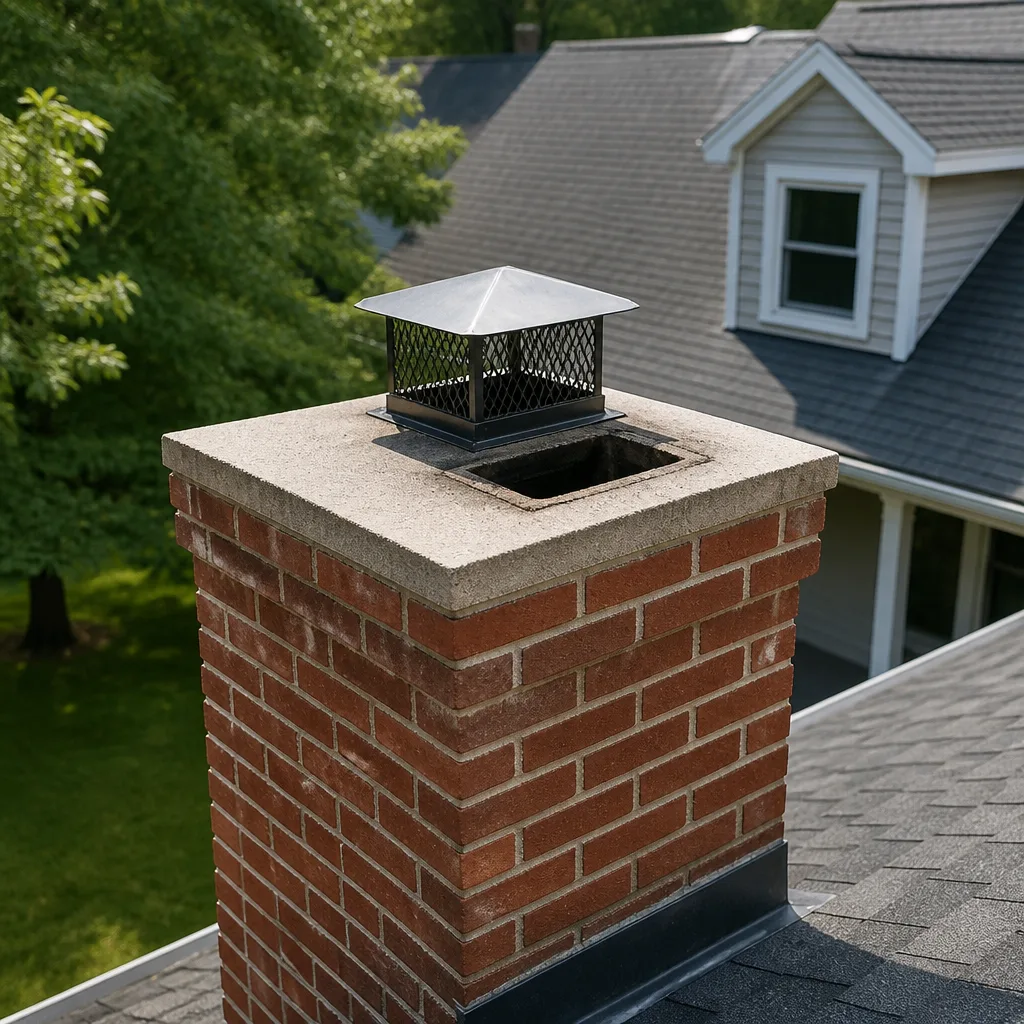
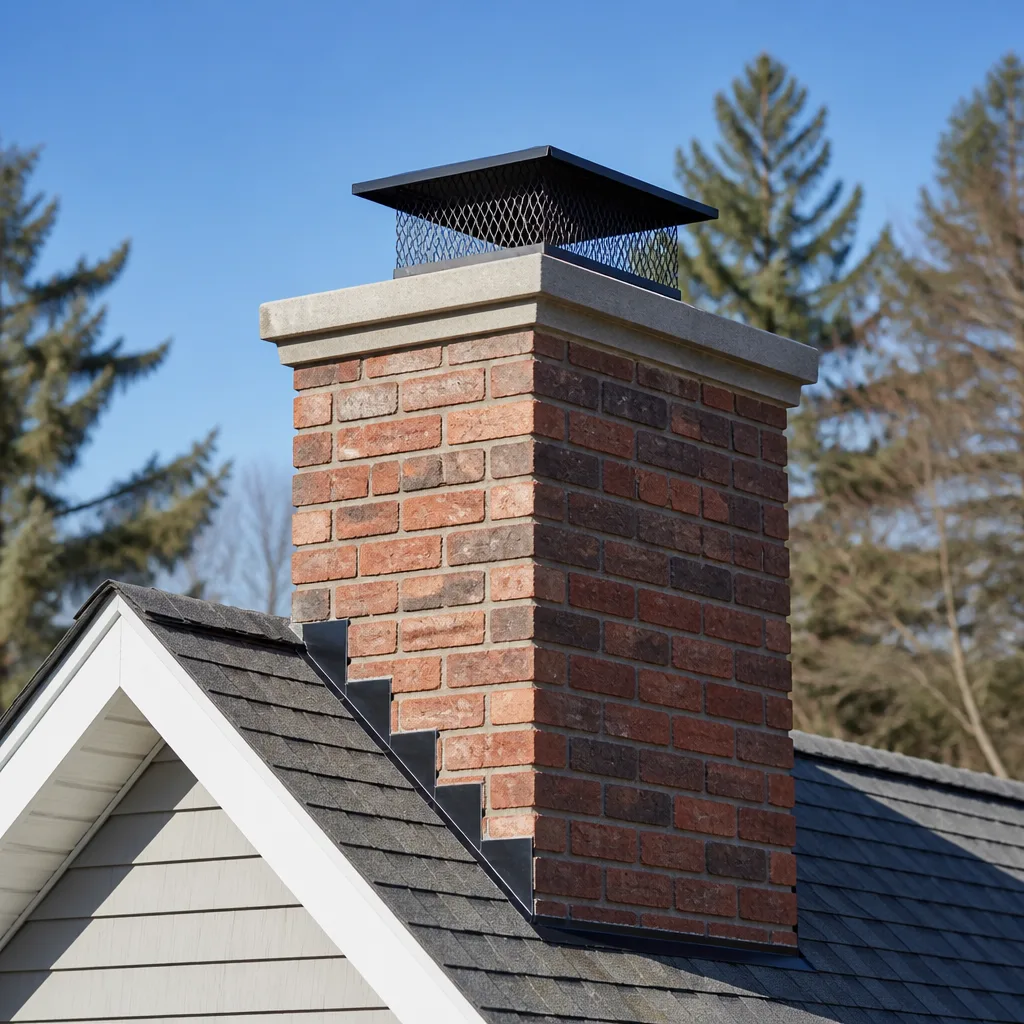
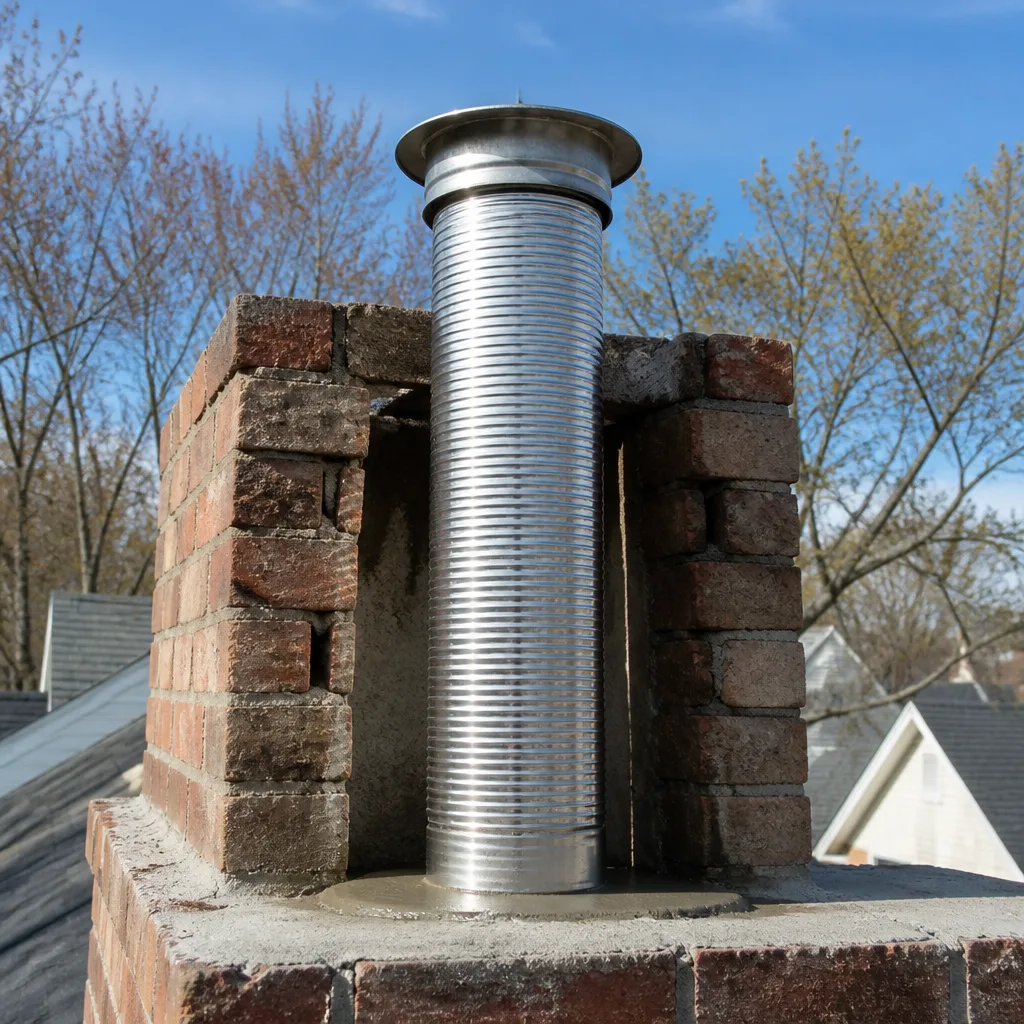
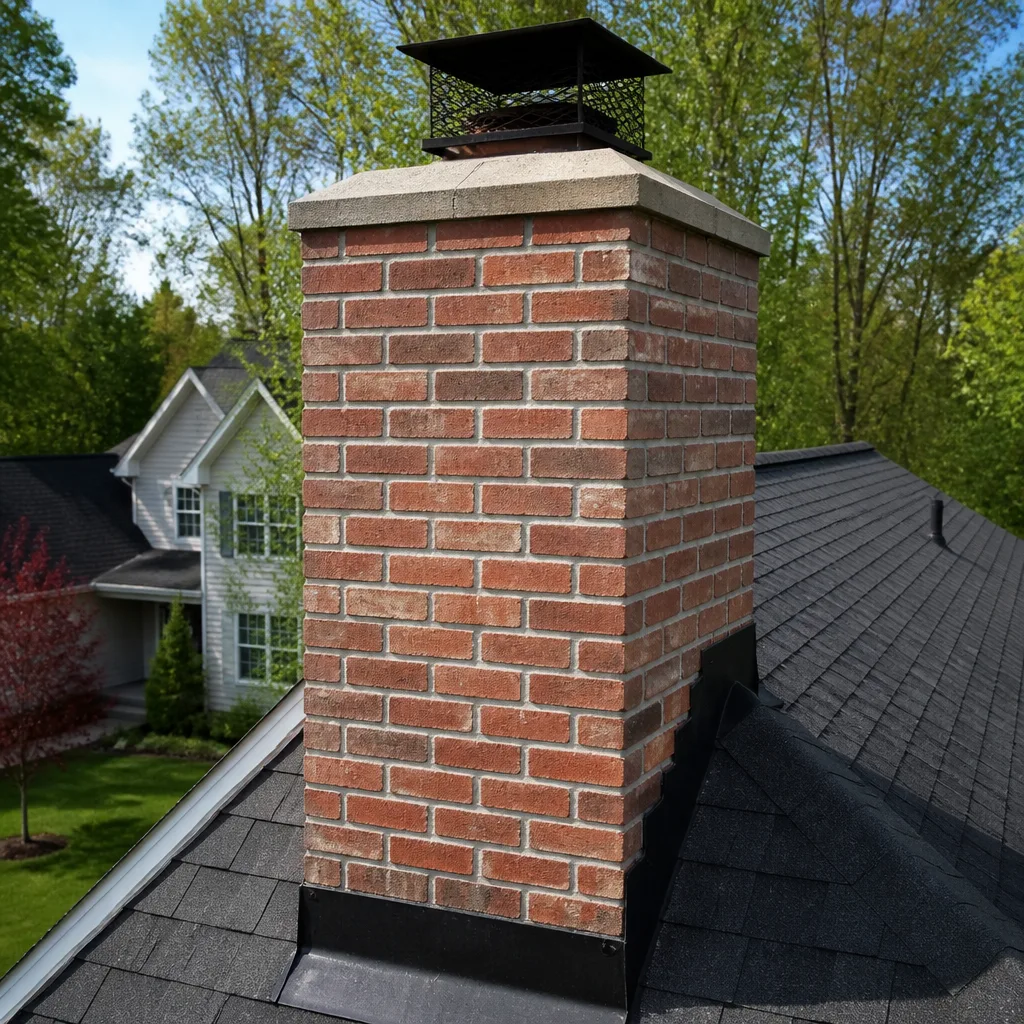
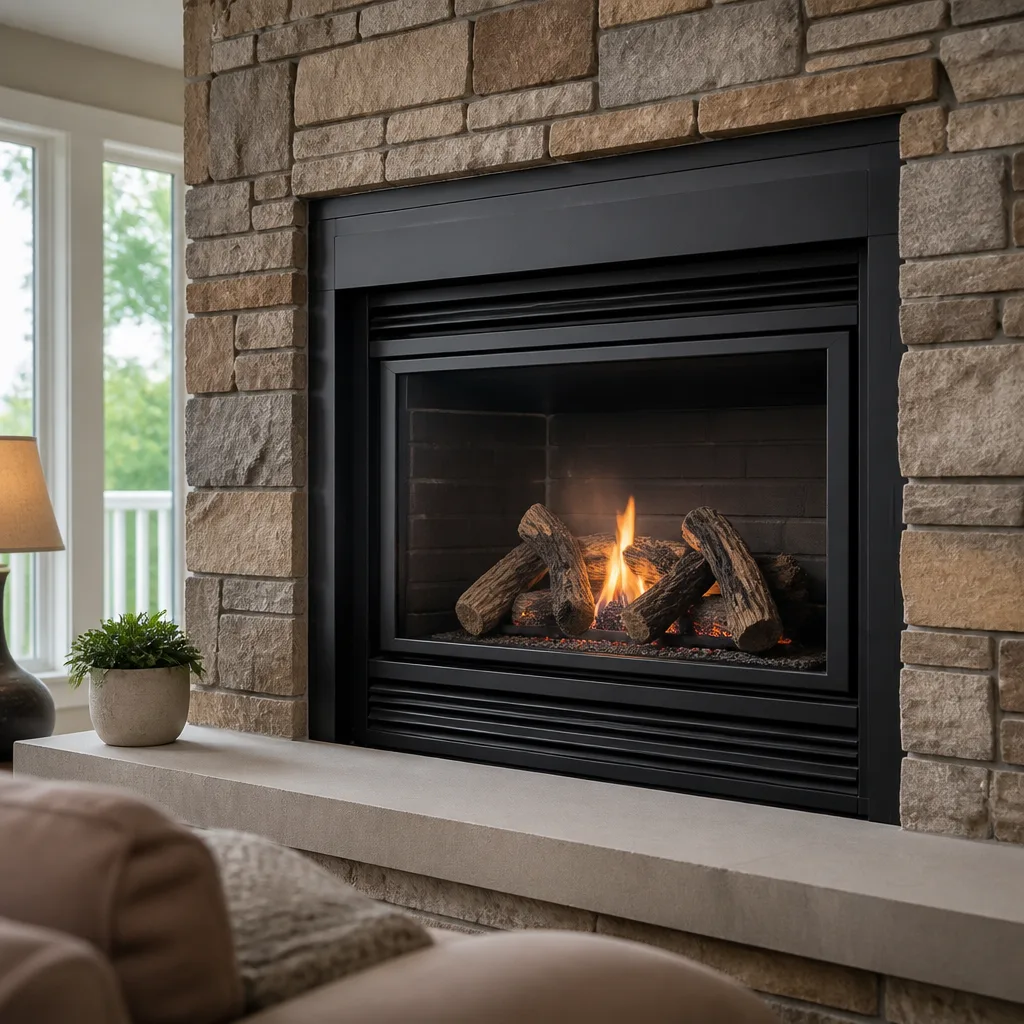
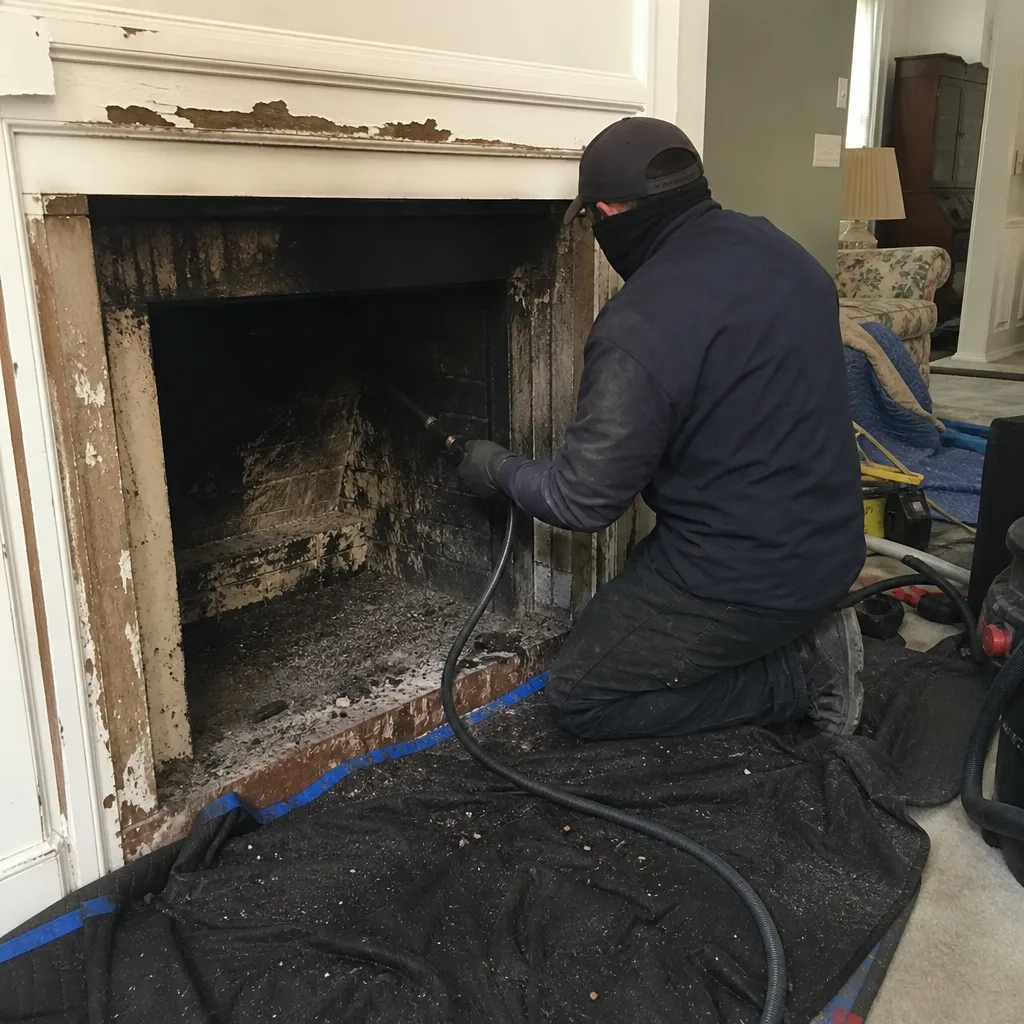 Before
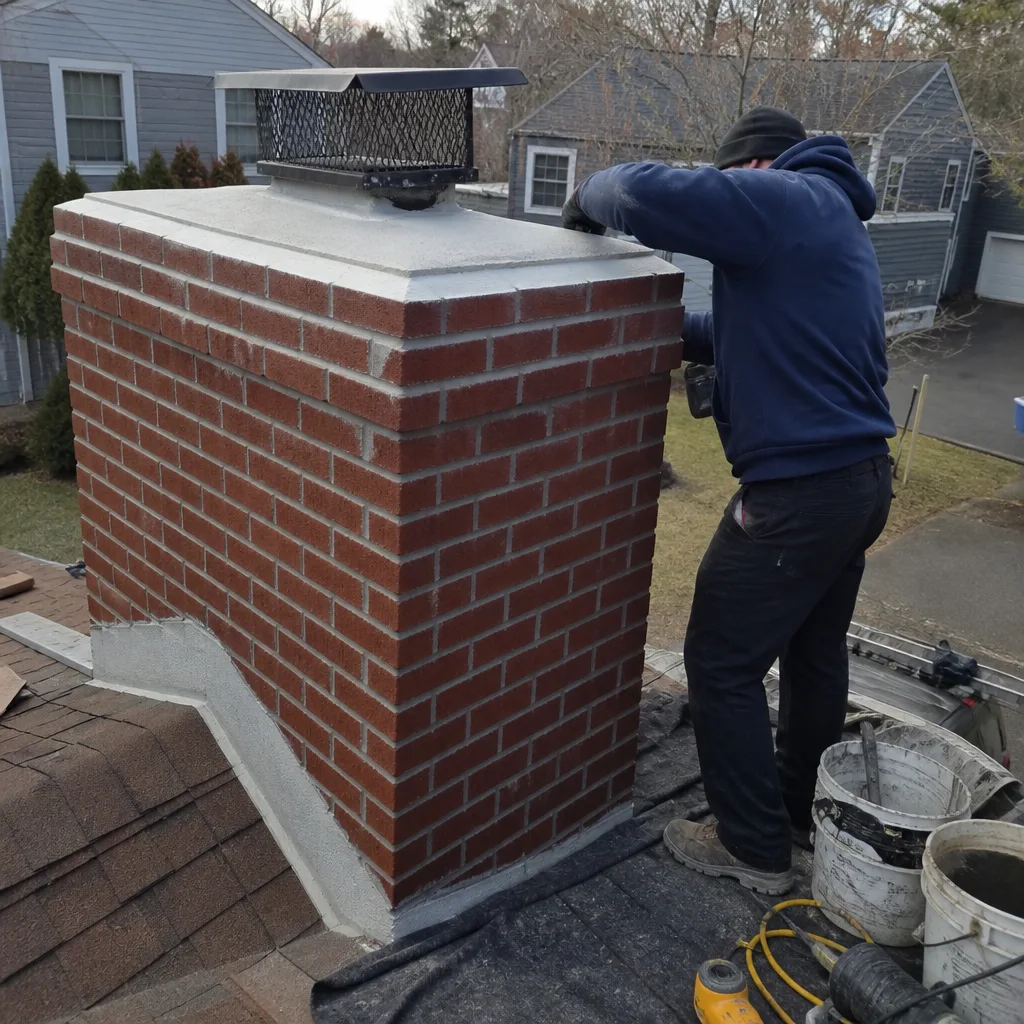 After
After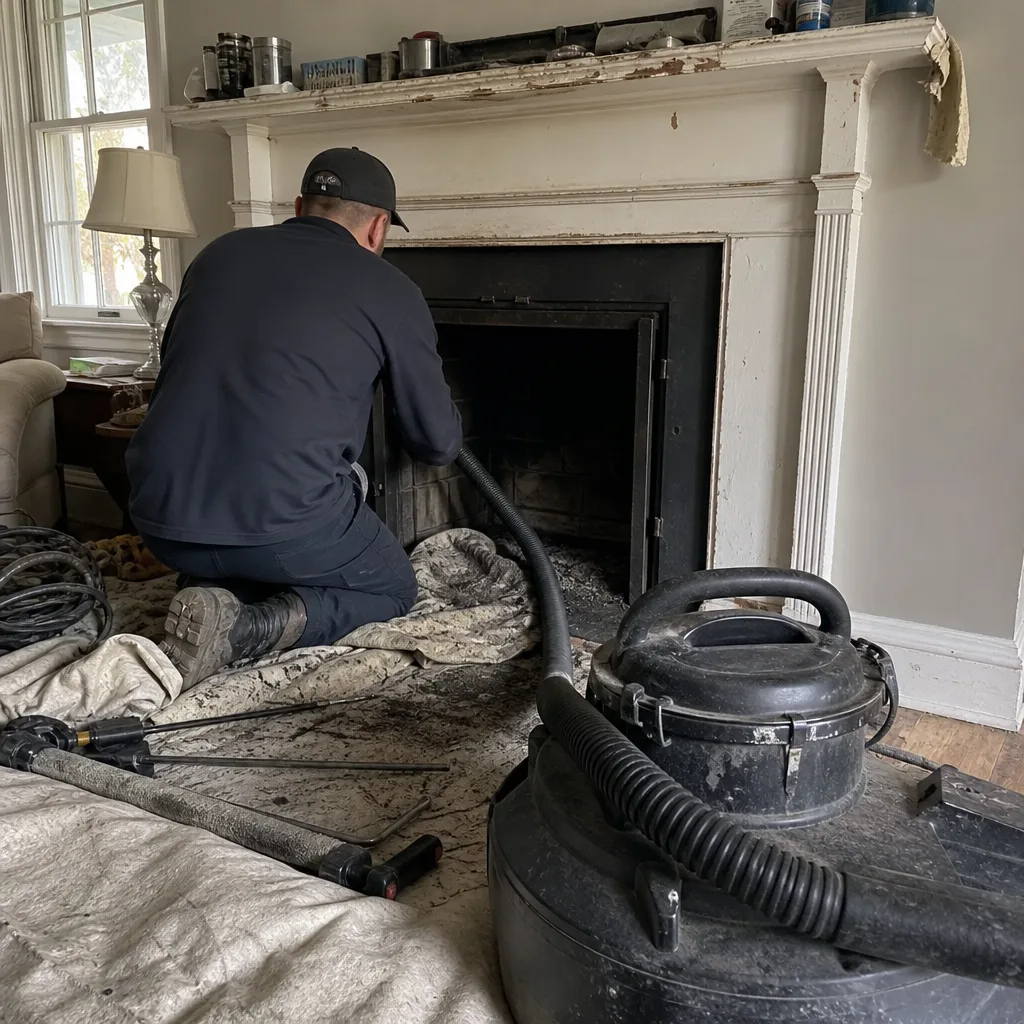 Before
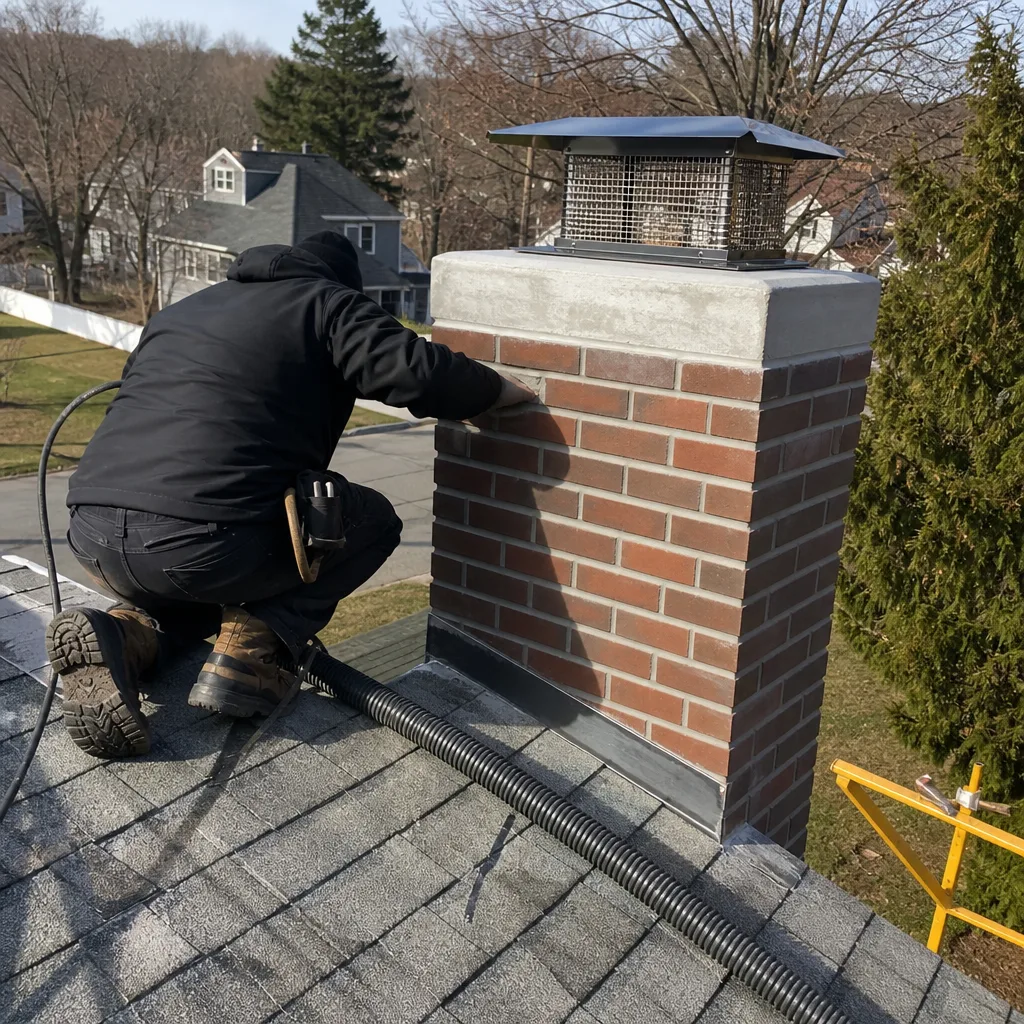 After
After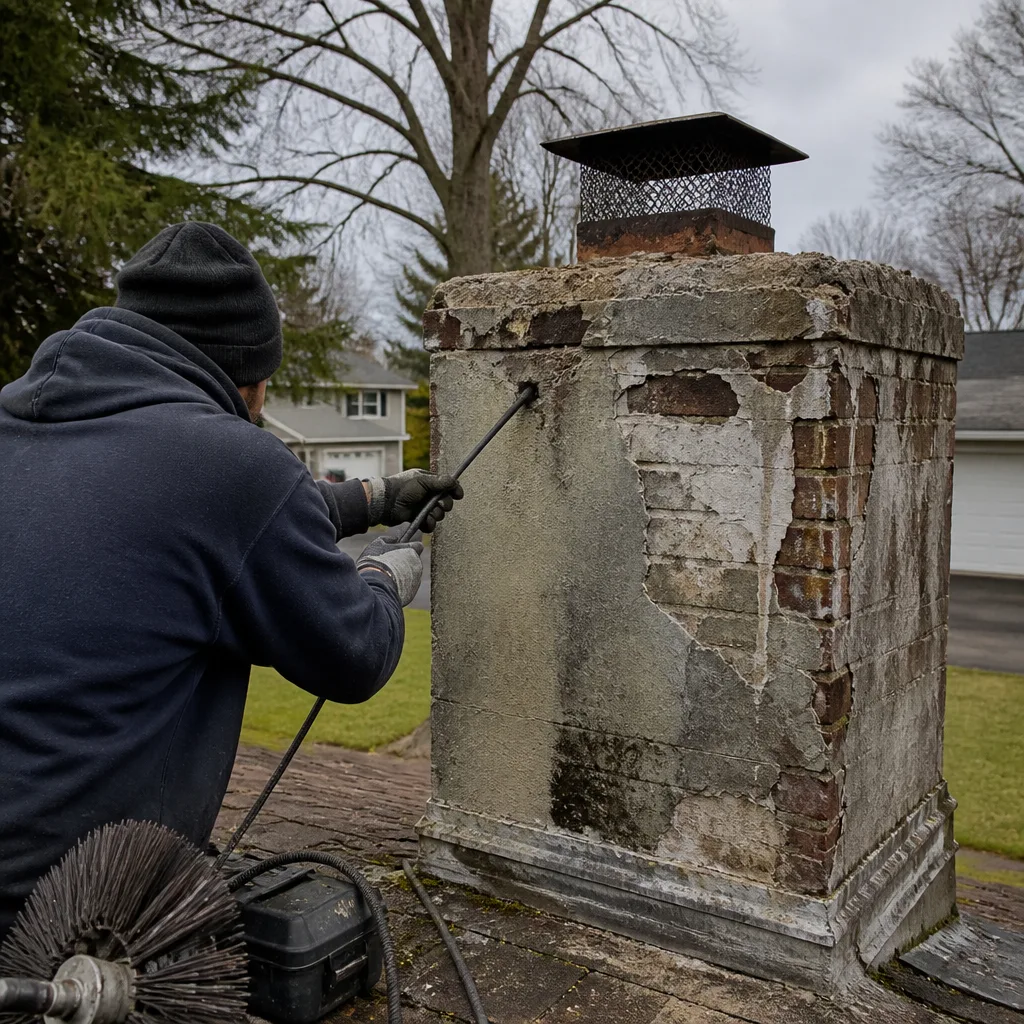 Before
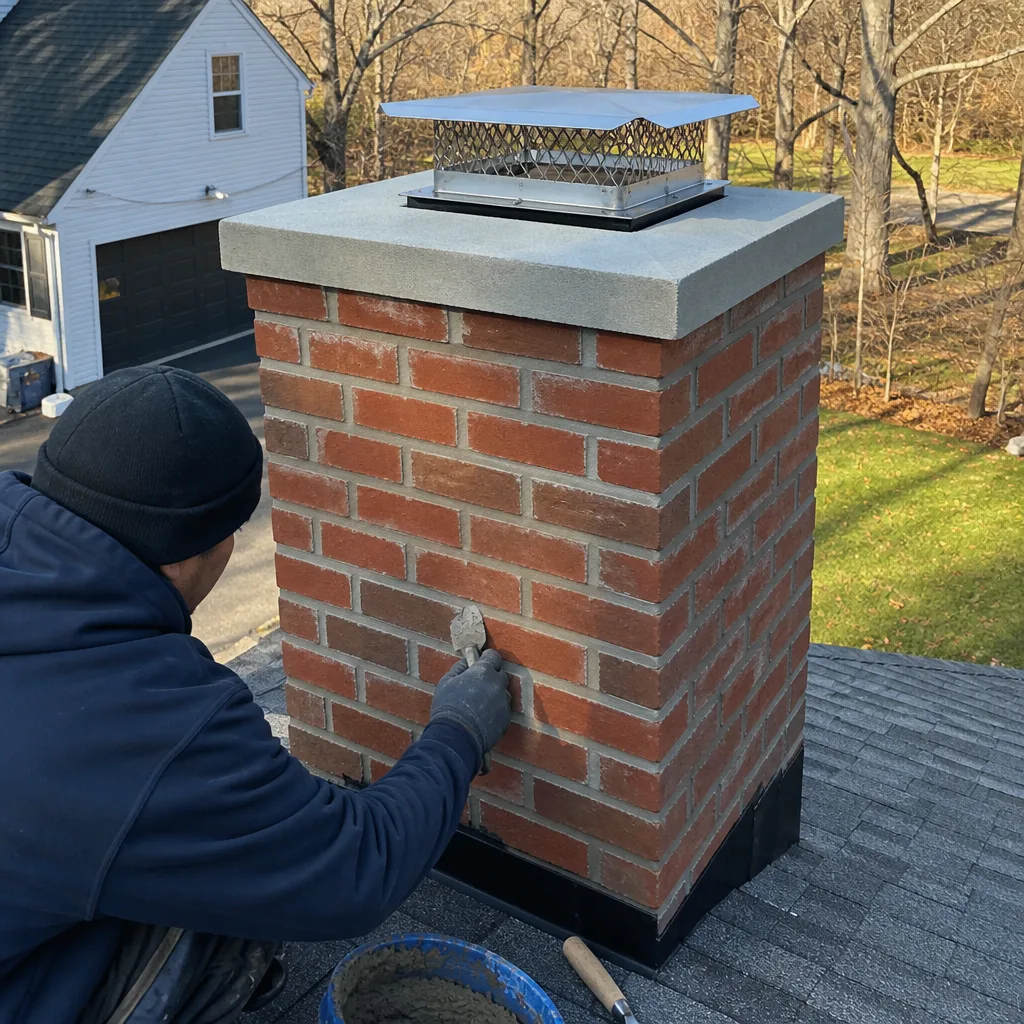 After
AfterChimney Cleaning & Sweep Maintenance Checklist for Fairfield Homeowners
Most chimney checklists on the internet were written by marketers, not sweeps. They list “check the damper” without telling you what a failing damper actually looks, sounds, or smells like from inside your living room. After 42 years in this trade, we’ve learned that Fairfield homeowners don’t need another generic list of parts. They need a sequenced set of observations they can actually make themselves, between professional visits, with enough detail to know when something is wrong versus when it can wait until the next scheduled sweep. This guide covers month-by-month tasks, five firebox inspections anyone can do without tools, and the three observations that should trigger an immediate call to a sweep in Fairfield.
Quick Answer
Fairfield homeowners should perform monthly visual checks of their chimney exterior and firebox, season-specific tasks before first fire and after last fire, and a documented annual inspection with a Level-2 camera sweep by a CSIA-certified technician. Between professional visits, photograph any changes to mortar, metal, or masonry, and call immediately if you smell smoke in rooms away from the fireplace, see water staining on interior walls near the chimney chase, or hear animals scratching from inside the flue.
Table of Contents
- Why Most Chimney Checklists Fail Fairfield Homeowners
- Month-by-Month: A Seasonal Chimney Maintenance Calendar
- Five Firebox Inspections You Can Do Without Tools
- How to Log and Photograph Your Chimney Condition
- Fairfield-Specific Conditions That Affect Your Chimney
- Three Observations That Demand an Immediate Call (And Three That Can Wait)
- Common Mistakes to Avoid
- When to Call a Professional
- Frequently Asked Questions
- The Bottom Line
Why Most Chimney Checklists Fail Fairfield Homeowners
Generic checklists treat every chimney like every other chimney. They don’t account for the fact that a 1920s colonial in Stratfield Village has a completely different flue construction than a 1980s raised ranch in Black Rock, or that Fairfield’s position on Long Island Sound creates moisture patterns you won’t find in Hartford or Waterbury.
We’ve seen the damage firsthand. A homeowner in the Southport section followed an online checklist that told them to “check for cracks” but didn’t explain that hairline cracks in a crown are normal weathering, while stair-step cracks in the firebox brick indicate a deeper problem. They waited two years. The repair went from a $400 crown seal to a $3,200 firebox rebuild.
A useful checklist has three qualities that generic versions lack:
- Sequencing by season: What you check in October before the first fire is different from what matters in March after the last ember dies.
- Specific “normal” definitions: You need to know what healthy looks like to recognize sick.
- Documentation habits: Memory is unreliable. Photos with dates catch slow changes that the eye normalizes over months.
At Hearthstone Chimney Co. home, we’ve built our inspection process around these principles. Our Level-2 camera inspections end with photos the homeowner can see and a plain-English verdict. We’ve found that homeowners who keep their own simple logs between visits catch problems earlier and spend less on repairs over the life of their chimney system.
Month-by-Month: A Seasonal Chimney Maintenance Calendar
Fairfield’s heating season runs roughly October through April, with shoulder months that create their own hazards. Here’s what to observe, when, and why the timing matters.
September: Pre-Season Preparation
Schedule your professional sweep now, before the October rush. Fairfield sweeps book solid by mid-September. Waiting until you smell your neighbor’s first fire means waiting three weeks for an appointment.
While you wait, walk the exterior. Look for:
- Missing or displaced chimney cap pieces. After summer storms, caps can shift or lose mesh sides.
- Vegetation growth within 10 feet of the chimney. Overhanging branches drop debris and provide squirrel highways.
- Efflorescence on the chimney exterior, that white powdery residue that indicates moisture migration through masonry.
Photograph anything unusual. Date the photo.
October: Before First Fire
Perform the five firebox inspections detailed in the next section. Open the damper fully and verify it moves smoothly. Light a small test fire with newspaper and observe draft behavior. Smoke should rise immediately into the flue, not linger in the firebox or spill into the room.
In Fairfield’s older homes, particularly in the historic districts near the town center, we’ve found that October humidity swings can cause damper corrosion that wasn’t present in September. The first cold snap condenses moisture on metal surfaces that stayed warm all summer.
November through February: Peak Season Monitoring
During active use, check weekly:
- Ash depth. Keep it under 2 inches for optimal combustion airflow.
- Firebox brick condition after cleaning out ash. Look for new spalling (flaking surfaces) or mortar loss.
- Smoke behavior. Any change in how quickly smoke evacuates indicates a developing obstruction or draft issue.
After heavy snow, check the chimney exterior from ground level. Fairfield’s coastal snow is often wet and heavy. Significant snow accumulation on the cap can temporarily block the flue opening.
March: After Last Fire
Don’t abandon the chimney when heating season ends. March is when we find the most deferred damage in Fairfield.
Schedule a post-season inspection if you noticed any smoke spillage, unusual odors, or draft changes during the winter. Creosote that accumulated in a marginal draft situation will harden over summer, becoming more difficult to remove and more hazardous.
Clean the firebox thoroughly. Remove all ash. Ash left in contact with metal firebox components accelerates corrosion during humid summer months.
April through August: Off-Season Maintenance
This is repair season. Cap replacement, crown sealing, and exterior masonry work should happen now, when materials cure properly in warm, dry conditions.
June and July are particularly important for Fairfield chimneys. The combination of Long Island Sound humidity and summer thunderstorms creates conditions where small crown cracks become major water entry points. We’ve replaced more fire-damaged structural components in August than any other month, almost always because water entered through a crown defect in June.
Walk the exterior monthly. Look for:
- New staining on the chimney face below the crown
- Loose or missing mortar joints
- Cap mesh that has corroded or pulled away from the frame
Photograph and date. Compare to your September baseline.
Five Firebox Inspections You Can Do Without Tools
These five checks require no ladder, no flashlight beyond what your phone provides, and no special knowledge. What they require is knowing what “normal” looks like.
1. Damper Operation and Position
What normal looks like: The damper opens fully with smooth resistance, closes completely with no visible gap when viewed from below, and the metal surface shows uniform surface rust at most, no pitting or scaling.
What failure looks like: Grinding or catching during operation, visible daylight around the closed plate, or a plate that won’t stay in position. In Fairfield’s salt-air environment, we’ve seen dampers seize completely after just two seasons of neglect.
What to do: If operation is rough but complete, note it for your sweep. If the damper won’t open fully or close completely, stop using the fireplace until repaired. An open damper wastes enormous heated air. A closed damper that leaks can allow smoke into living spaces during a fire.
2. Firebox Brick and Mortar Condition
What normal looks like: Brick faces are intact with minor surface discoloration from heat. Mortar joints are recessed slightly below the brick surface (this is proper tooling, not erosion) with no missing sections wider than a pencil eraser.
What failure looks like: Spalling brick faces that expose the porous interior, mortar missing to finger-depth or deeper, or cracks that run through multiple bricks in a stair-step pattern. Hairline vertical cracks in individual bricks are typically thermal stress and can be monitored. Horizontal cracks or displaced bricks indicate structural movement and need immediate evaluation.
What to do: Photograph any spalling or missing mortar. Monitor hairline cracks annually. Call for evaluation of any crack you can fit a business card into, or any stair-step pattern.
3. Smoke Chamber and Throat Visibility
Shine your phone flashlight up the chimney throat above the damper.
What normal looks like: You see a tapering masonry surface, possibly with some soot staining, but no exposed structural components, no gaps at the sides where the firebox meets the chimney, and no debris accumulation.
What failure looks like: Visible gaps between the firebox top and chimney walls, significant debris (more than a handful of loose material), or a surface that looks shiny and glazed rather than matte. That glaze is hardened creosote, a combustion hazard.
What to do: Any gap in this area is a potential fire pathway into wall cavities. Any glazed creosote requires professional removal. Note both for immediate calling.
4. Hearth Extension and Clearance
What normal looks like: The hearth extension (the non-combustible surface in front of the firebox opening) extends at least 16 inches in front and 8 inches to each side of the opening for standard fireplaces, or 20 inches in front for fireplaces with openings larger than 6 square feet. The surface is intact with no cracks, raised edges, or combustible material within the required clearance.
What failure looks like: Cracked or missing hearth material, rugs or furniture encroaching on the clearance zone, or previous homeowner “improvements” like wood trim installed too close to the opening.
What to do: Remove any combustible encroachment immediately. Document cracks for your sweep. In Fairfield’s older homes, we’ve seen original slate hearths cracked by decades of thermal cycling. These can often be repaired rather than replaced if caught before pieces shift.
5. Fireplace Surround and Mantel Condition
What normal looks like: Surround materials show no discoloration, delamination, or heat-related damage. The mantel is secure with no gaps where it meets the wall. Paint on nearby walls shows no blistering or yellowing.
What failure looks like: Any heat-related damage to surround materials, gaps that suggest the mantel has pulled away from wall fasteners, or paint damage on adjacent walls. These indicate either a clearance violation or a firebox breach allowing heat into wall cavities.
What to do: Stop using the fireplace. These symptoms indicate potential pyrolysis of combustible materials in wall cavities, a leading cause of house fires from fireplaces. This is an immediate call scenario.
How to Log and Photograph Your Chimney Condition
The homeowners who spend the least on chimney repairs over time are not the ones with the newest chimneys. They’re the ones who document condition consistently and catch problems when they’re small.
We’ve seen this pattern repeatedly in Fairfield. A homeowner in the Greenfield Hill area photographed their crown every September for eight years. When a hairline crack appeared in year six, they had documentation that it was new. We sealed it for $380. Their neighbor, with an identical chimney and no documentation, didn’t notice the same crack until it had propagated through the crown and damaged the top course of brick. That repair was $2,400.
The Simple Documentation System
- Create a dedicated folder on your phone: “Chimney [Year]”
- Take four standard photos every September: Full chimney exterior from ground level; close-up of crown top; firebox with damper open; firebox with damper closed
- Date every photo. Most phones do this automatically. Verify.
- Add condition notes in a simple text file or email to yourself: “Damper opens smoothly, some surface rust. Crown shows hairline crack front left, new this year.”
- Compare to previous year before adding new photos. Look for changes, not just current condition.
What to Document Between Annual Professional Visits
Any event that might affect the chimney:
- After severe weather: high winds, heavy snow, ice storms
- After any smoke spillage incident, however minor
- When you notice new odors, sounds, or draft behavior
- After any nearby construction that might affect foundation or structure
Photos with dates transform vague recollections into actionable information. When you call Chimney Cleaning & Sweep in Fairfield, being able to say “the crack in the crown appeared between September 2023 and March 2024, and here’s the photo” gets you a more accurate preliminary assessment and often a more precise estimate.
At Hearthstone, we provide every inspection customer with digital copies of our camera inspection photos. We encourage homeowners to store these with their own documentation and explore more guides & resources. When our photos from year three show the same crack your photos from year two first captured, we both know exactly how long a problem has been developing.
Fairfield-Specific Conditions That Affect Your Chimney
Fairfield’s geography and climate create chimney hazards that inland Connecticut doesn’t share. Understanding these local conditions helps you interpret what you observe.
Long Island Sound Humidity and Salt Air
Fairfield’s position on the Sound means higher average humidity than Hartford or Litchfield County, and salt air that accelerates metal corrosion. We’ve replaced chimney caps in Fairfield that lasted 8 years, while identical caps in Danbury lasted 15.
This affects your maintenance in specific ways:
- Metal components (caps, dampers, flashing) need more frequent inspection
- Exterior masonry absorbs more moisture, increasing freeze-thaw damage risk
- Summer humidity can keep chimneys damp inside, promoting odor and deterioration
Professional-grade materials matter here. We specify copper or stainless caps from Copperfield and Famco for Fairfield installations, not galvanized steel that will rust through in this environment.
January Ice Damming on Chimney Caps
Fairfield’s winter temperature cycles, often above freezing during day and below at night, create ideal conditions for ice damming on chimney caps. Melting snow runs down the cap, refreezes at the edge, and builds an ice barrier that can block the flue opening or damage cap mesh.
After any freeze-thaw cycle, check your cap from ground level with binoculars if needed. Look for ice buildup that narrows the flue opening. This is particularly common on chimneys on the north side of homes where sun doesn’t reach.
Summer Moss and Vegetation Growth
The combination of shade from mature Fairfield trees and Sound humidity promotes moss growth on north-facing chimney surfaces. Moss holds moisture against masonry, accelerating deterioration.
We don’t recommend pressure washing, which can damage mortar. A stiff brush and patience, or professional treatment, protects the masonry while removing the growth.
Historic District Masonry Variations
Fairfield’s historic districts contain chimneys built with materials and methods no longer common. We’ve worked on chimneys in the Old Post Road area with no flue liners, relying on parged (smoothed) clay walls that are now 150 years old. These require specialized assessment and cannot be evaluated with standard checklists.
If your Fairfield home was built before 1940, assume your chimney may have non-standard construction until a Level-2 inspection with camera documentation confirms otherwise.
Local Permit Requirements for Major Repairs
Fairfield requires permits for chimney rebuilds, liner replacements, and structural modifications. The Building Department on Reef Road reviews plans for compliance with the Connecticut State Building Code. Minor repairs like crown sealing or cap replacement typically don’t require permits, but when in doubt, a professional sweep can clarify.
We handle permit applications as part of our repair service for jobs that require them. The homeowner doesn’t need to navigate the process alone.
Three Observations That Demand an Immediate Call (And Three That Can Wait)
Not every anomaly requires emergency response. Knowing the difference saves you unnecessary anxiety and unnecessary expense.
Call Immediately
- Smoke odor in rooms away from the fireplace during use. This indicates a breach in the chimney structure or a significant draft failure that is depositing combustion products in wall cavities or living spaces. Carbon monoxide risk is present. Stop using the fireplace and call.
- Water staining on interior walls or ceilings near the chimney chase. Active water entry damages structure and can reach electrical components. The source may be flashing, crown, or masonry. Every day of delay increases repair scope.
- Animal sounds from inside the flue, or visible nesting material. Animals block flues, create fire hazards with nesting material, and can die, creating odor and secondary insect problems. Do not attempt removal yourself. Raccoons in particular are common in Fairfield’s wooded neighborhoods and can be aggressive when cornered in a chimney.
Can Wait for Scheduled Sweep
- Minor mortar erosion between bricks, no deeper than 1/4 inch. This is normal weathering. Document and monitor. Repointing will be needed eventually, but not urgently.
- Surface rust on damper with smooth operation. Surface rust is cosmetic in early stages. Note it, ensure continued smooth operation, and address during next scheduled maintenance.
- Small amount of debris on smoke shelf (visible during cleaning). The smoke shelf collects debris normally. It’s one reason annual sweeping matters. Unless the amount is substantial or includes animal material, this is routine.
Common Mistakes to Avoid
- Using the fireplace as a disposal for wrapping paper or cardboard. These materials burn intensely and can overheat the flue. We’ve removed significant glazed creosote deposits from Fairfield chimneys after holiday paper burning. Use the fireplace only for seasoned hardwood.
- Installing a chimney cap from a big-box store without proper sizing. Ill-fitting caps create more problems than they solve, trapping moisture or blowing off in coastal winds. We install DuraFlex and HeatShield components sized to the specific flue dimensions.
- Assuming no fireplace use means no maintenance needed. We’ve inspected chimneys in Fairfield homes where the fireplace hadn’t been used in a decade and found significant water damage, animal infestation, or deteriorated liners. Unused chimneys still weather, still leak, still need inspection.
- Attempting DIY creosote removal with chemical logs or brushes. Chemical logs modify creosote but don’t remove it. Homeowner brushes can’t reach the full flue length or the smoke chamber. More importantly, without camera inspection, you can’t verify the result. Professional sweeping with camera documentation is the only method that confirms clean.
- Ignoring the chimney after a home purchase. Fairfield’s real estate market moves quickly, and home inspections often include only a cursory chimney observation. We’ve found critical liner damage in homes that passed inspection six months prior. Budget for a Level-2 inspection after purchase, before first use.
- Delaying cap replacement because “it’s just a cap.” The cap is your chimney’s only defense against water, animals, and debris entry. A missing or damaged cap exposes the entire system to accelerated deterioration. The cost of cap replacement is minor compared to the damage it prevents.
When to Call a Professional
Call a certified chimney sweep when your own observations exceed your comfort level, when any “call immediately” condition appears, or annually for Level-2 camera inspection regardless of apparent condition. Many chimney problems develop in areas no homeowner can see without specialized equipment.
At Chimney Repair in Fairfield, Hearthstone Chimney Co. provides free estimates with no obligation. Our technicians are background-checked, uniformed, and complete most jobs in a single visit. We use no-hassle upfront pricing, the number on the estimate is the number on the invoice, and every job is backed by our 90-Day Done Right Promise in writing.
We answer the phone with a live person 24 hours a day, 7 days a week. Not a voicemail, not a callback queue. Call (475) 251-7537 for a free estimate in Fairfield.
Frequently Asked Questions
A standard Level-1 sweep and inspection in Fairfield typically ranges from $150 to $250, while a Level-2 inspection with camera documentation runs $250 to $400 depending on chimney height, accessibility, and number of flues. Hearthstone offers an $89 Seasonal Tune-Up for qualifying systems, and we provide no-hassle upfront pricing before any work begins. Call (475) 251-7537 for an exact quote, estimates are free.
The National Fire Protection Association recommends annual inspection for all chimney systems, with sweeping as needed based on creosote accumulation. In Fairfield’s climate, most wood-burning fireplaces need annual sweeping, while gas systems may need inspection every two years if usage is light. Heavy use, poor-quality fuel, or marginal draft can require more frequent service. Call (475) 251-7537 to discuss your specific usage pattern.
A damaged liner cannot be safely ignored, but replacement isn’t always necessary. Stainless steel liners can often be repaired with localized patching. Clay tile liners with isolated cracks may be relined with a stainless insert rather than full reconstruction. We make no recommendation without camera evidence you can see for yourself, and we’ll tell you plainly when work can safely wait. Our free second opinion on any written estimate ensures you have complete information before deciding.
Deferred maintenance leads to three predictable outcomes: creosote accumulation increases chimney fire risk; water entry damages structural components and adjacent interior finishes; and minor repairs become major reconstructions. In Fairfield’s salt-air environment, metal corrosion accelerates when not caught early. We’ve documented chimney fires that destroyed homes where the owner “meant to call last year.” The cost of annual inspection is minor compared to the consequences. Call (475) 251-7537 to schedule before the next burning season.
Homeowner observation between professional visits is valuable and we encourage it, but it does not replace a certified inspection. You cannot see the full flue length, the smoke chamber, or the exterior crown close-up without proper equipment and training. Our Level-2 camera inspections reveal conditions that no ground-level observation can detect. Think of homeowner checks as complementary, not alternative.
The Seasonal Tune-Up includes a Level-1 visual inspection, basic sweep of a single-flue system, damper check and lubrication, and a condition report with photos. It’s designed for well-maintained systems without known issues. Systems with significant creosote, damage, or accessibility challenges may require additional service at upfront-quoted prices. Call (475) 251-7537 to confirm your system qualifies.
The Bottom Line
A useful chimney checklist is a living practice, not a one-time task. Fairfield homeowners who observe monthly, document annually, and distinguish between urgent and routine conditions spend less on repairs and use their fireplaces with confidence. The five firebox checks, seasonal calendar, and documentation habits in this guide catch most developing problems while they’re still small. For what you can’t see from the living room, annual professional inspection with camera documentation provides certainty. Done right, and we stand behind it.
Written by Russell Haines, Owner at Hearthstone Chimney Co., serving Fairfield since 2014.