
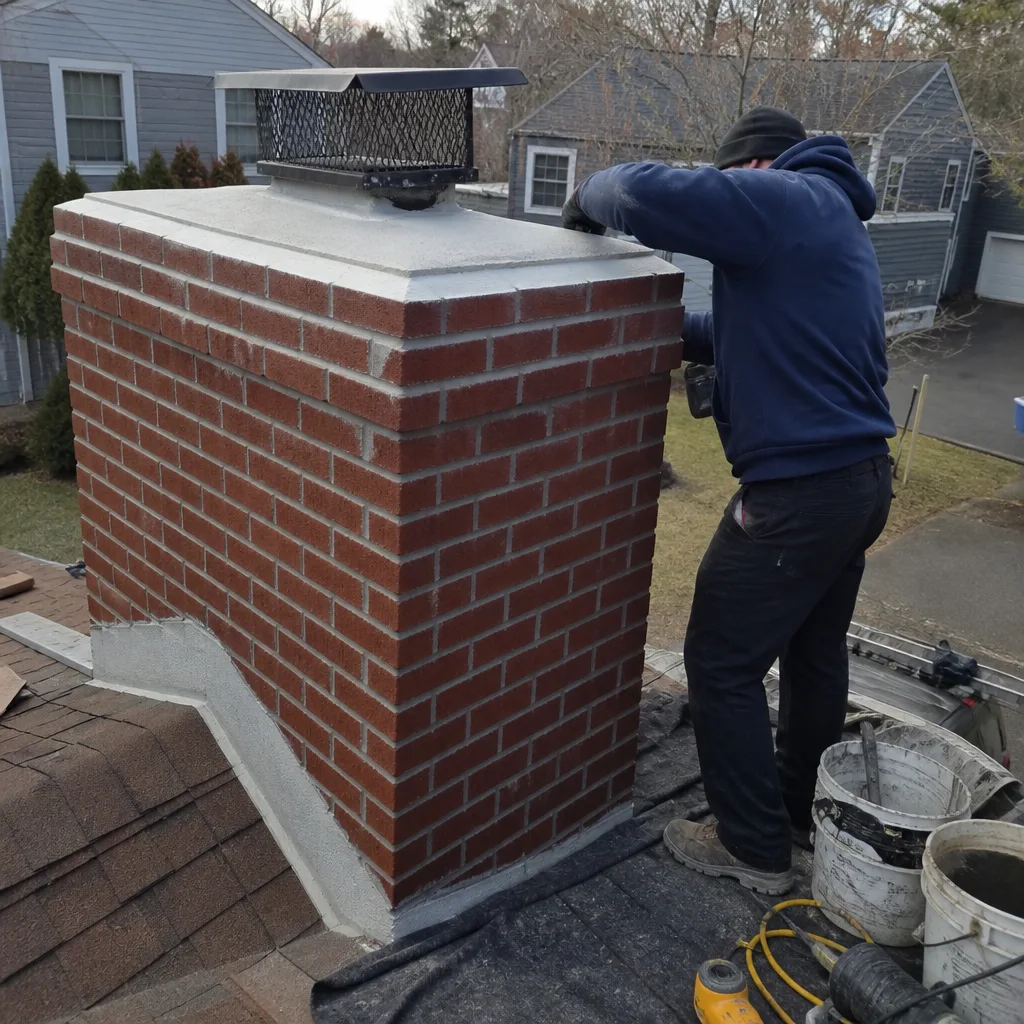
Level 1 sweep and inspection to the NFPA 211 annual standard - flue, crown, cap, and flashing checked and photographed
Chimney sweep logs do not sweep chimneys. They loosen some creosote - which then falls where a brush and vacuum still have to collect it.
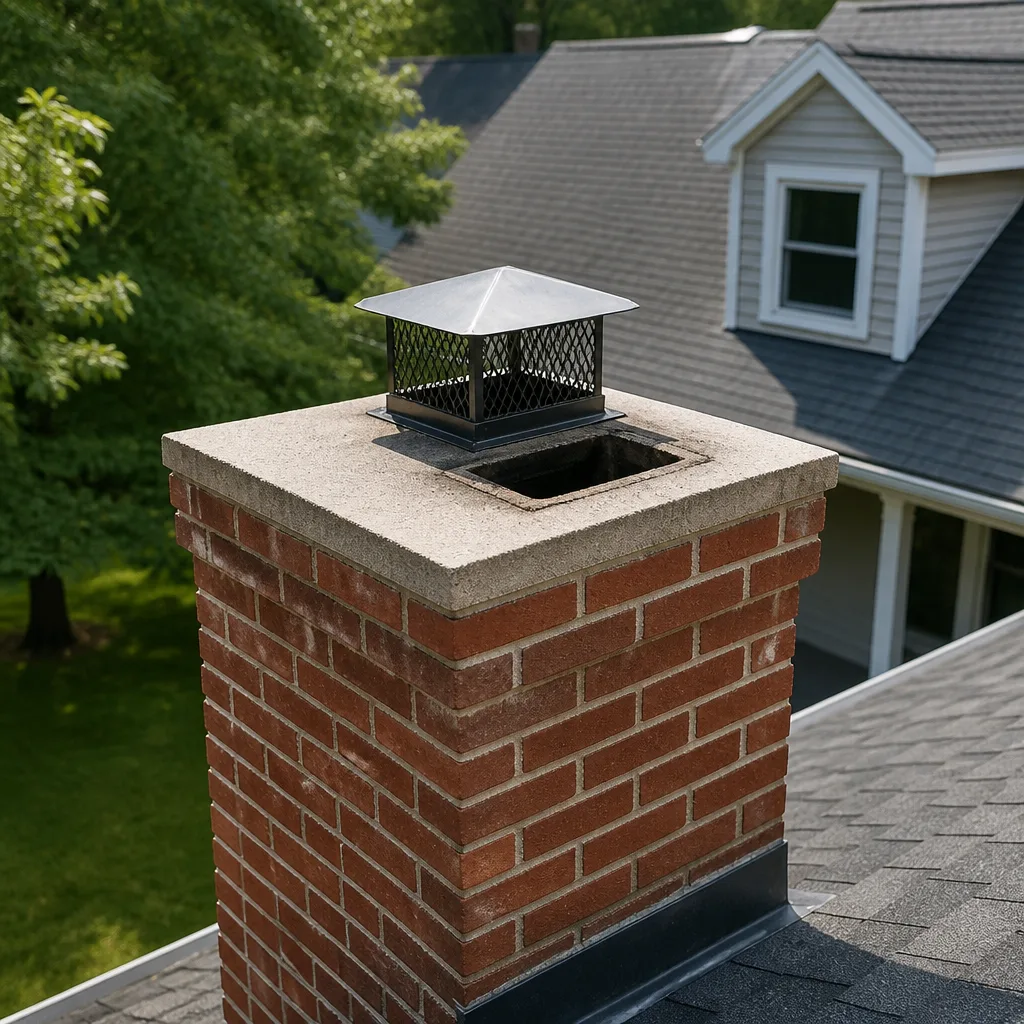
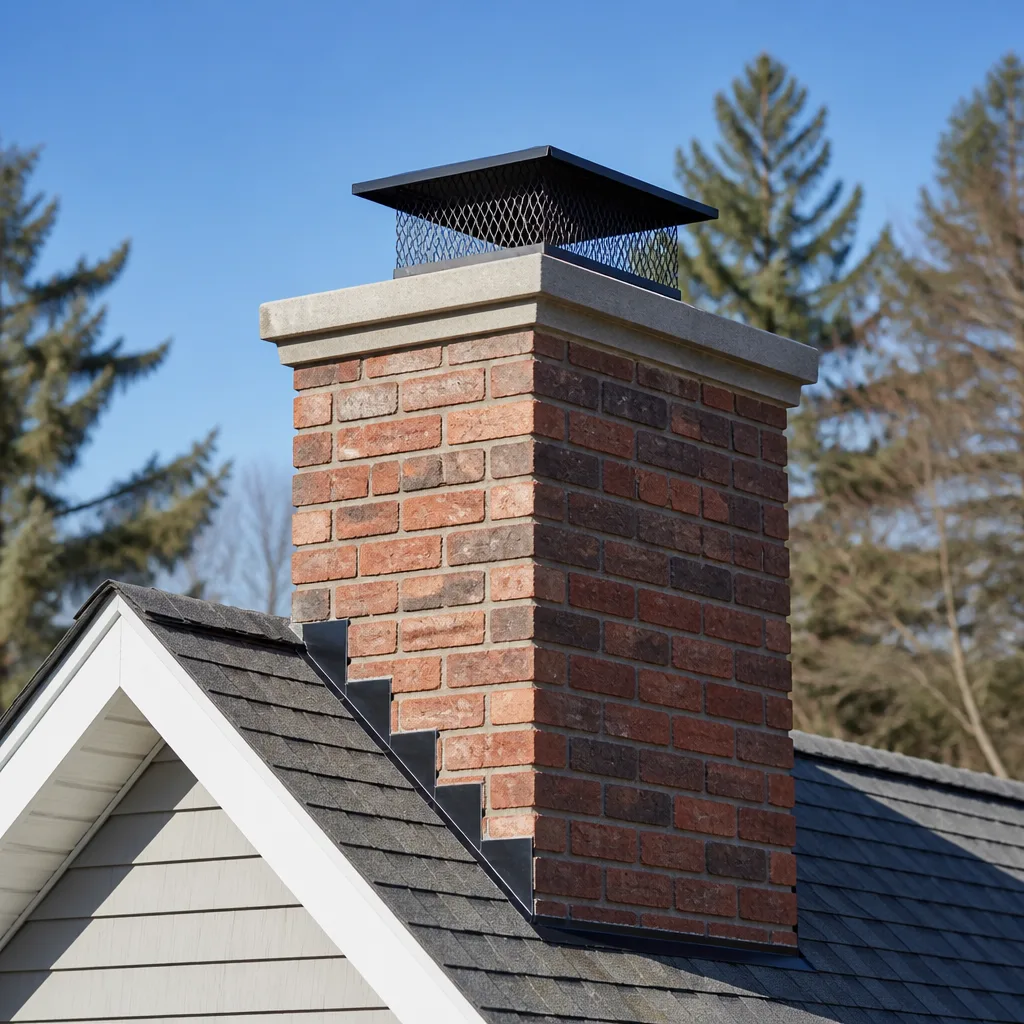
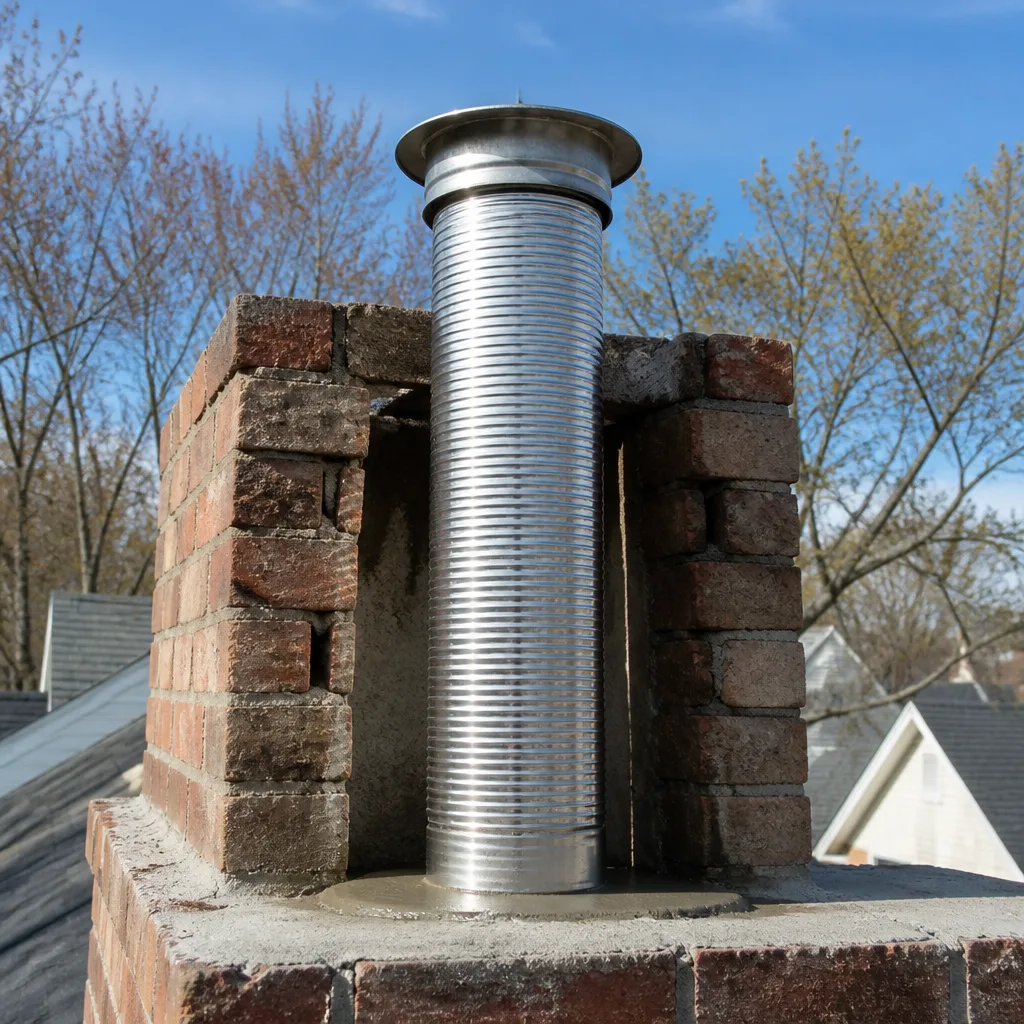
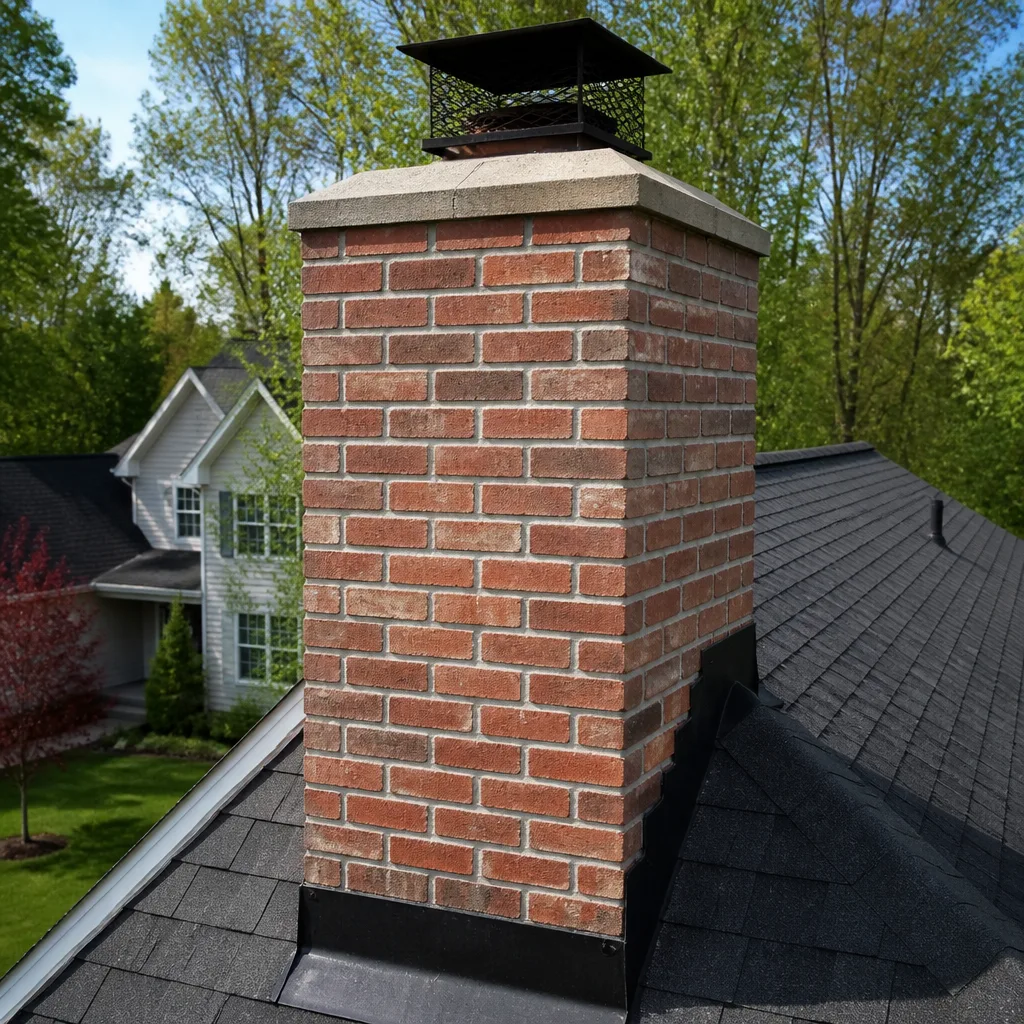
 Before
 After
After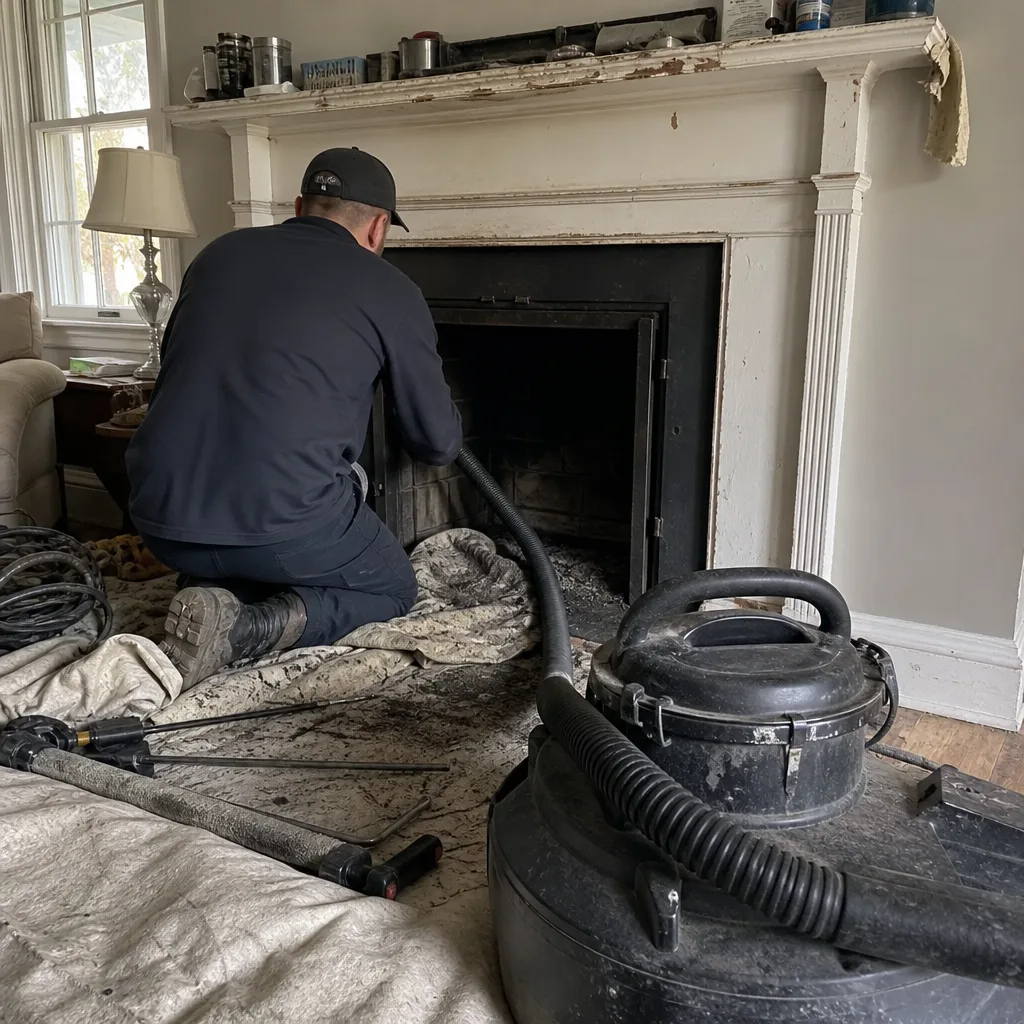 Before
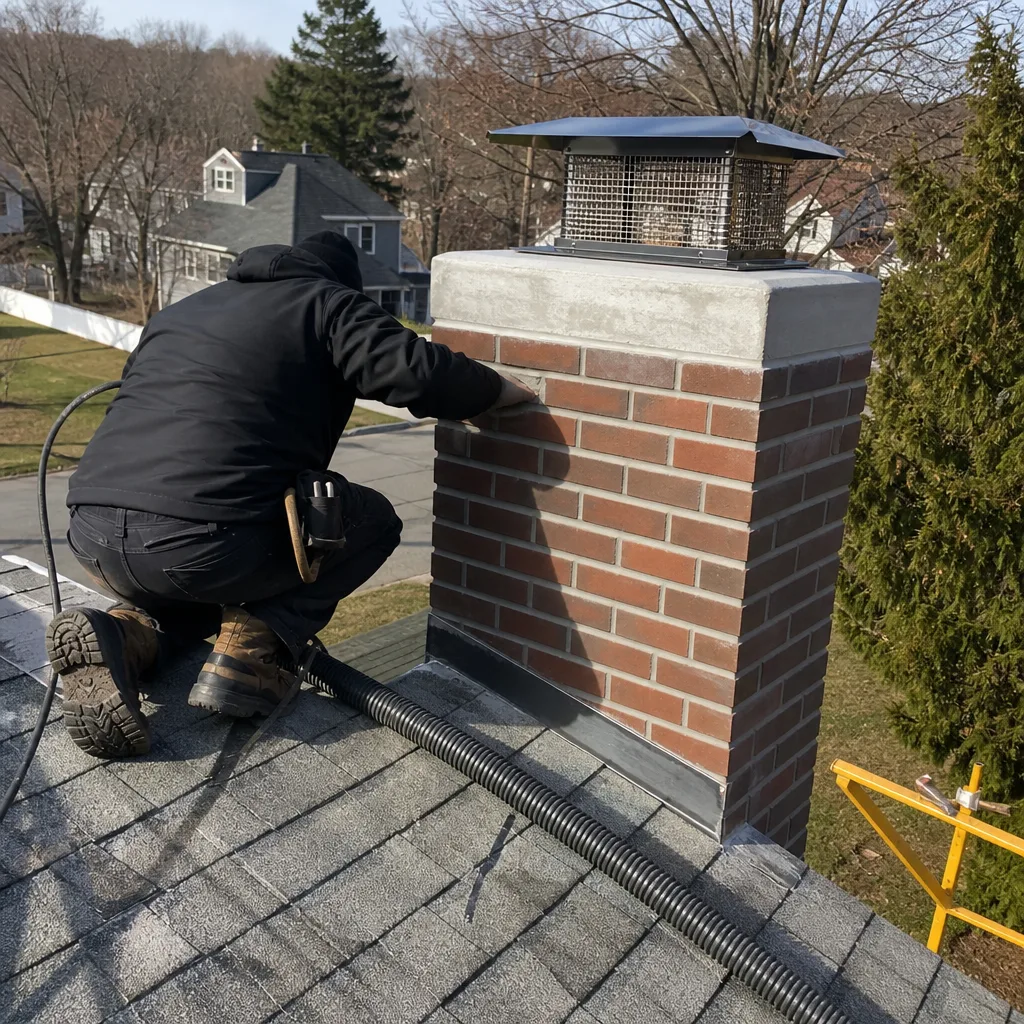 After
After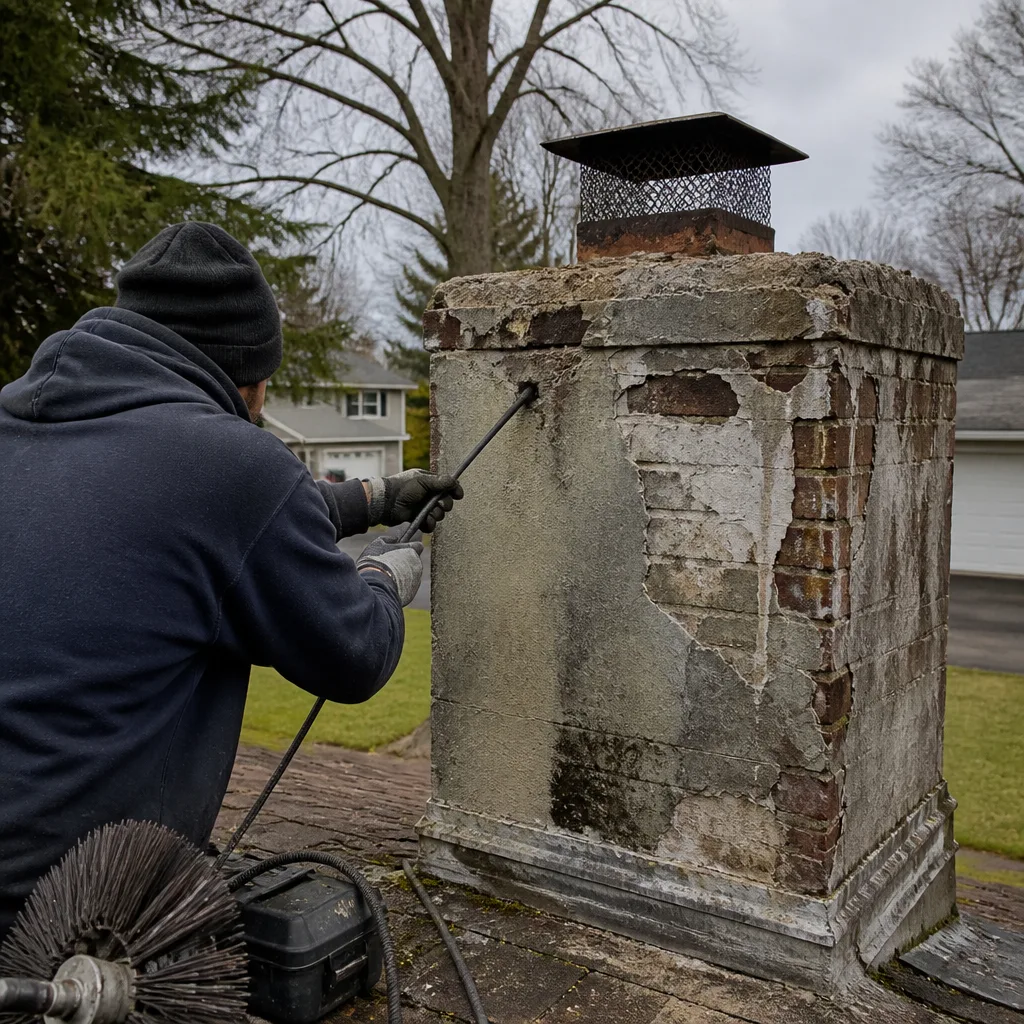 Before
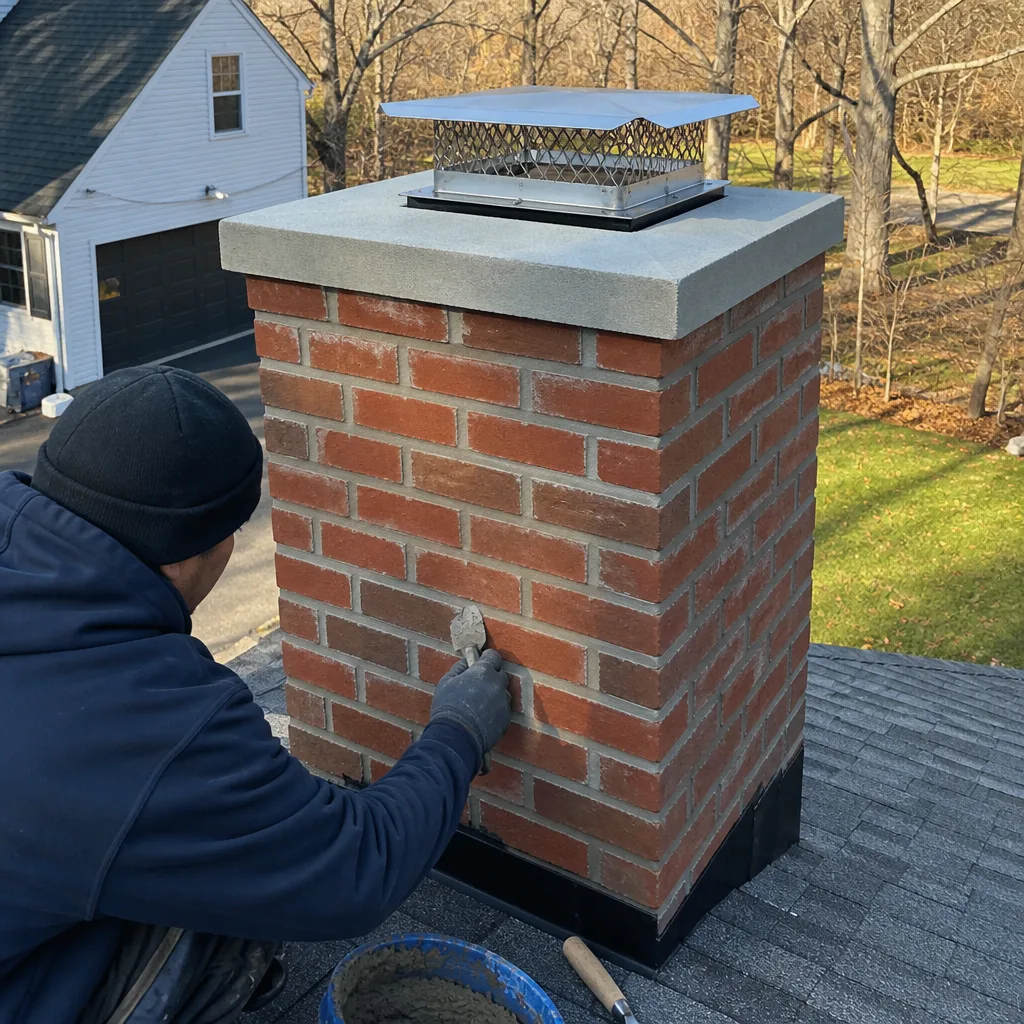 After
AfterCreosote Removal in Fairfield, CT
Creosote removal is the process of clearing the hardened, flammable residue that wood-burning fires leave behind on the walls of your flue – and in Fairfield, CT, it’s one of the most consequential things you can do for your home’s safety. Left alone, heavy creosote buildup is the leading cause of chimney fires, and a single overnight fire inside a flue can crack a liner, damage a chase, and put a house at risk. At Hearthstone Chimney Co., we’ve been providing Chimney Cleaning & Sweep services and removing creosote from chimneys across Fairfield since 1984 – over 42 years of work that has taught us every quirk of the flues in this part of Connecticut.
If you’ve noticed a sharp, smoky odor coming from your fireplace even when it isn’t lit, or if it’s been more than a season since anyone looked inside your chimney, call us at (475) 251-7537. A live person answers every call, every hour of the day. This page explains what creosote is, how we remove it, what it costs in Fairfield, and what questions our customers ask most often. For the full picture of everything we do at the flue, visit our Chimney Cleaning & Sweep in Fairfield page.
What Makes Creosote Different From Ordinary Soot
Most homeowners think of chimney buildup as soot – the soft, gray-black powder that brushes away easily. Creosote is something else. It forms when wood smoke cools before it fully exits the flue, and the unburned hydrocarbons condense on the liner walls. Over time, three distinct stages develop. Stage one is the dusty, flaky variety – easy to brush out. Stage two is a tar-like coating, darker and stickier, that doesn’t respond to a standard brush. Stage three is the one that draws serious attention: a shiny, glaze-hard deposit, sometimes an inch thick or more, that can ignite at temperatures well above what a normal fire produces and burn hot enough to crack a terra-cotta liner in a single event.
In Fairfield specifically, a few things push chimneys toward the heavier stages faster than homeowners expect. The cold, damp winters along the Connecticut shoreline mean fireplaces get used heavily from October through March. Homes in neighborhoods like Greenfield Hill and Southport often have older masonry chimneys built before modern liner standards – shorter flue heights, tighter turns, and original clay tile liners that already have minor cracks where creosote hides and accumulates. Unseasoned firewood is common here too, especially among homeowners who buy cords late in the season. Green wood burns cooler and smokier, and that combination is a direct accelerant for Stage 2 and Stage 3 buildup.
When You Need Creosote Removal
A standard annual Fireplace Cleaning handles light buildup efficiently. But certain situations call for dedicated creosote removal work – heavier treatment, rotary tools, or chemical application before mechanical cleaning. Here are the clearest signs that a basic sweep won’t be enough:
- You smell smoke or a tar-like odor inside the house with no fire burning. Stage 2 or Stage 3 creosote has its own persistent smell. If your living room carries that scent in November when you haven’t lit the fireplace yet, the buildup is thick enough to off-gas at room temperature.
- Your fires are sluggish and smoke rolls back into the room. Heavy creosote narrows the effective diameter of the flue, restricting draw. In Fairfield homes with single-flue chimneys serving both a fireplace and a furnace, this restriction is felt immediately.
- You hear popping or crackling sounds from the chimney during a fire. That sound sometimes means a small creosote fire is already burning inside the flue. Stop using the fireplace and call us. This is a situation where a Level-2 camera inspection is mandatory before you light another fire.
- Your last inspection found Stage 2 buildup or a glaze deposit. If another company or your own inspection revealed shiny, hard deposits, a brush alone won’t clear them. Chemical pre-treatment followed by mechanical removal is the correct approach.
- You’ve recently moved into an older home in Fairfield and have no inspection records. We regularly find multi-year, multi-stage accumulations in homes in the Mill Hill and Tunxis Hill areas where previous owners burned unseasoned wood or used the fireplace as a primary heat source.
- The fireplace has been unused for several years and you want to start using it again. Dormant flues don’t self-clean. Creosote from the last fire season is still there, and in Connecticut’s humid climate, it often absorbs moisture and becomes more corrosive over time.
Our Creosote Removal Process
We don’t use a single method for every job because creosote doesn’t present the same way in every chimney. What follows is our standard process for a Fairfield home with confirmed Stage 2 or Stage 3 buildup, typically identified during a Level 1 Inspection. The approach adjusts based on what the camera shows.
- Pre-job walkthrough and drop-cloth setup. Before we open any damper or bring in equipment, our uniformed technician walks through the work area with you, confirms what we’re doing, and lays protective drop cloths over the hearth and surrounding floor. The number on the estimate is the number on the invoice – no adjustments once the job is underway, unless we discover a hidden structural issue we couldn’t see before opening the flue.
- Level-2 camera inspection of the full flue. We run a camera the length of the flue before any cleaning begins. This shows us exactly where the buildup is concentrated, what stage it is, whether there are cracks or gaps in the liner, and whether the smoke chamber has heavy glazing. You see the footage. We give you a plain-English verdict. Skipping this step is how chimney problems get missed – we don’t skip it.
- Chemical pre-treatment for Stage 2 and Stage 3 deposits. When the camera confirms hard glazing, we apply a professional-grade creosote-modifying chemical to the flue walls before mechanical cleaning. This treatment breaks down the molecular structure of the glaze, converting it from a hard, impermeable crust into a more porous material that responds to brush contact. We use products sourced through Copperfield, which supplies the professional sweep market – not consumer-grade products sold at hardware stores.
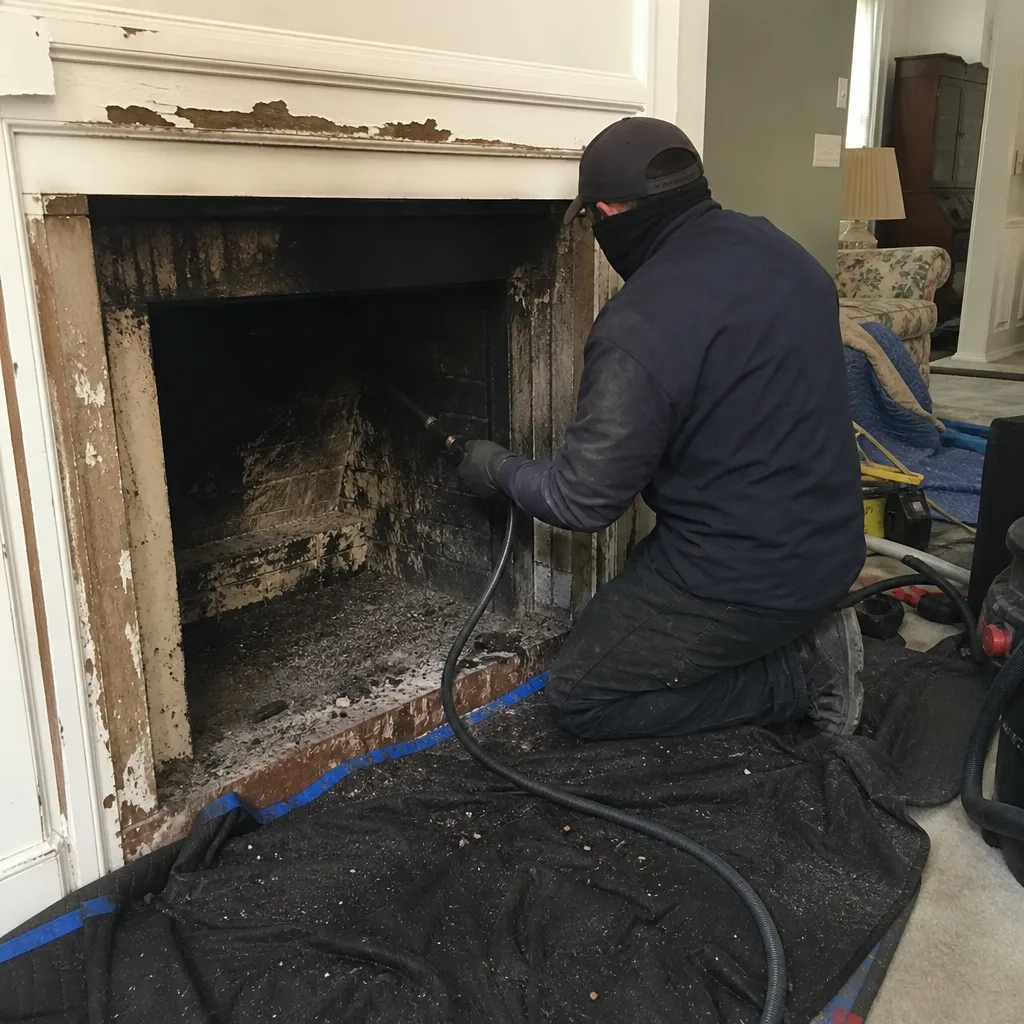
- Mechanical removal with rotary or standard equipment. Once the pre-treatment has done its work (timing depends on deposit thickness and product used), our technician cleans from the top down using the appropriate brush and rod system for your flue dimensions. Heavily glazed areas get rotary cleaning, which uses a spinning brush head rather than a push-pull motion. The chimney top is sealed with an industrial vacuum system during the entire mechanical phase to keep debris out of your home.
- Post-cleaning camera review. After mechanical cleaning is complete, we run the camera again. You see the before and the after. If a spot didn’t clear to our standard, we address it before we pack up. This is the step that keeps our 90-Day Done Right Promise honest – we document the result, so there’s no question about whether the work was complete.
- Written report and next-step recommendations. You receive a written summary of what we found, what we removed, and any related issues – liner damage, crown deterioration, a missing or damaged cap – that need attention. If the flue liner was compromised by the creosote or by a past chimney fire, we’ll explain the repair options in plain terms, including whether a relining with a DuraFlex or HeatShield system makes sense given the condition of your chimney.
Creosote Removal Pricing in Fairfield
Creosote removal in Fairfield, CT costs more than a standard sweep because it involves more time, more equipment, and in many cases a chemical pre-treatment that a basic cleaning doesn’t require. The ranges below reflect real Fairfield market conditions – not a national average dragged in from another state.
| Service | Typical Range (Fairfield, CT) |
|---|---|
| Stage 1 buildup (standard sweep) | $189 – $249 |
| Stage 2 removal (mechanical, no chemical needed) | $275 – $425 |
| Stage 3 removal (chemical pre-treatment + rotary mechanical) | $425 – $750+ |
| Level-2 camera inspection (included with cleaning; standalone) | $149 – $199 |
| Smoke chamber resurfacing (if glazing extends into chamber) | $350 – $650 |
What drives the cost up or down is straightforward. Flue height matters – a three-story Colonial in Greenfield Hill has more linear footage to treat than a ranch on Mill Plain Road. The stage of the deposit matters most. And the condition of the liner matters because a cracked clay tile liner complicates both the cleaning and the decision about whether relining is needed before the fireplace is safe to use again.
All pricing is upfront. What we quote before the job is what appears on your invoice. We also offer a $50 off any repair over $250, and a permanent 5% discount for seniors and veterans – both applied automatically, no asking required. Our $89 Seasonal Tune-Up is a practical option for homeowners who want a basic inspection and light cleaning before the burning season starts.
Estimates are free. Call (475) 251-7537 to schedule one. If you already have a written estimate from another company, we’ll give you a free second opinion on it.
Why Hearthstone Chimney Co. for Creosote Removal in Fairfield
We’ve been doing this work in Fairfield since 1984. Russell Haines leads a team of background-checked, uniformed technicians who understand the specific chimney stock in this part of Connecticut – the original terra-cotta flues in Southport’s older colonials, the prefabricated metal systems in post-1980s construction near Black Rock Turnpike, and the mixed masonry-and-metal hybrids that result from decades of piecemeal repair. That familiarity matters when you’re deciding whether a flue is safe to use after heavy creosote removal or whether the liner needs work first.
Every job is backed by the 90-Day Done Right Promise – in writing, no arguing. If the work we did is not right, we come back and make it right. No paperwork chase, no voicemail loop. The same live person who answered your first call can connect you directly when you need follow-up.
We also use professional-grade materials where they’re needed. When a creosote job reveals a liner that needs repair or coating, we use Gelco and Olympia Chimney products – not builder-grade substitutes. The difference in longevity is not marginal.
This is part of a broader commitment to chimney care done correctly from the first visit – not a quick sweep that misses the real problem underneath.
Key Takeaways
- Creosote has three stages; Stage 2 and Stage 3 require more than a standard brush sweep and can’t be safely ignored.
- Fairfield’s cold winters, older masonry chimneys, and common use of unseasoned firewood make heavy buildup more likely here than in many parts of the country.
- A Level-2 camera inspection before and after cleaning is the only way to confirm the job was actually done – we include it and show you the footage.
- Stage 3 removal in Fairfield typically runs $425 to $750 or more depending on flue height and deposit thickness.
- All work is covered by the 90-Day Done Right Promise – in writing, no arguing.
- Russell Haines and the Hearthstone team have served Fairfield for over 42 years. We plan to be here in thirty more.
FAQs – Creosote Removal
How do I know if I have Stage 3 creosote in my Fairfield chimney?
Stage 3 creosote looks like a shiny, tar-like glaze on the flue walls – sometimes described as appearing wet or lacquered, though it’s actually hard to the touch. You won’t see it yourself without a camera or inspection mirror. The clearest external signs are a persistent smoky or tar smell in the house even without a fire, fires that seem to burn poorly no matter how well you build them, or a crackling or roaring sound during a fire that doesn’t match what the flames are doing. If any of those apply to your Fairfield home, stop using the fireplace and call (475) 251-7537. A Level 2 Inspection with a camera will confirm the stage before we recommend any specific treatment.
Is creosote removal safe to do as a DIY project?
The chemical pre-treatment products sold to homeowners are far less concentrated than professional-grade formulations and rarely make a meaningful dent in Stage 2 or Stage 3 glazing. Beyond effectiveness, there’s a real safety concern: working at height on a roof, handling corrosive compounds near an enclosed flue, and not having a camera to verify what’s actually been cleared is a combination that leads to injuries and to chimney fires in fireplaces that were believed to be clean. We’re not telling you this to generate a service call – we’re telling you because a creosote fire inside a clay-tile flue generates temperatures that can exceed 2,000 degrees Fahrenheit and cause structural damage to a house in under an hour. This is one job where professional equipment and a documented result matter. Call (475) 251-7537 for a free estimate.
How often should creosote be removed in a Fairfield home?
Annual inspection and cleaning is the baseline recommended by the Chimney Safety Institute of America for any wood-burning fireplace in active use. In Fairfield, where many homeowners burn wood from October through March and where older flues have design characteristics that encourage accumulation, once a year before the burning season is a reasonable standard. Homes that burn wood more than three or four times a week, or that regularly use softwoods or unseasoned hardwoods, should consider a mid-season check as well. What we actually find when we run the camera determines whether cleaning is needed – we won’t tell you that you need work you don’t need, and we’ll show you the footage either way.
What happens if creosote removal reveals a cracked liner?
A cracked liner isn’t unusual in Fairfield’s older masonry chimneys, particularly those that have had a past chimney fire – even a small one the homeowner may not have known about. When the post-cleaning camera shows a crack or gap, we document it, show you the footage, and explain your options in plain terms. Depending on the extent of the damage, those options might include a HeatShield resurfacing for hairline cracks, or a full relining with a DuraFlex flexible steel liner system for more significant failures. We’ll give you a written estimate for whatever the repair requires. The 90-Day Done Right Promise covers repair work too – if it’s not right, we come back. Call (475) 251-7537 to schedule an inspection and get a straight answer on what your chimney actually needs.
Written by Russell Haines, Owner at Hearthstone Chimney Co., serving Fairfield.